Popularity rarely equals quality. Usually, it just means average taste has found something acceptable. But when 158,000 people buy a specific vehicle in three months, the market speaks loudly.
In the US, the industry isn’t moving forward so much as circling back. Pickups and crossovers dominate. GM, Toyota, Ford, Honda. The usual suspects. The “changing of the guard” looks a lot like the same guard standing slightly differently.
Q1 data tells the story. Here is who is winning, and why you probably own one.
The Crossover Grind
Hyundai Tucson: 55,426 units
Fifteenth place. Not bad for a compact crossover that is arguably showing its age. It slots in sixth in its class, beating more exciting machines simply because it is reliable enough for most people to ignore. Gas, hybrid, PHEV options keep it relevant. We once called the 2025 version god-tier NPC transportation, a compliment buried under indifference. A new model comes in 2027 until then, it sells because it exists and doesn’t break.
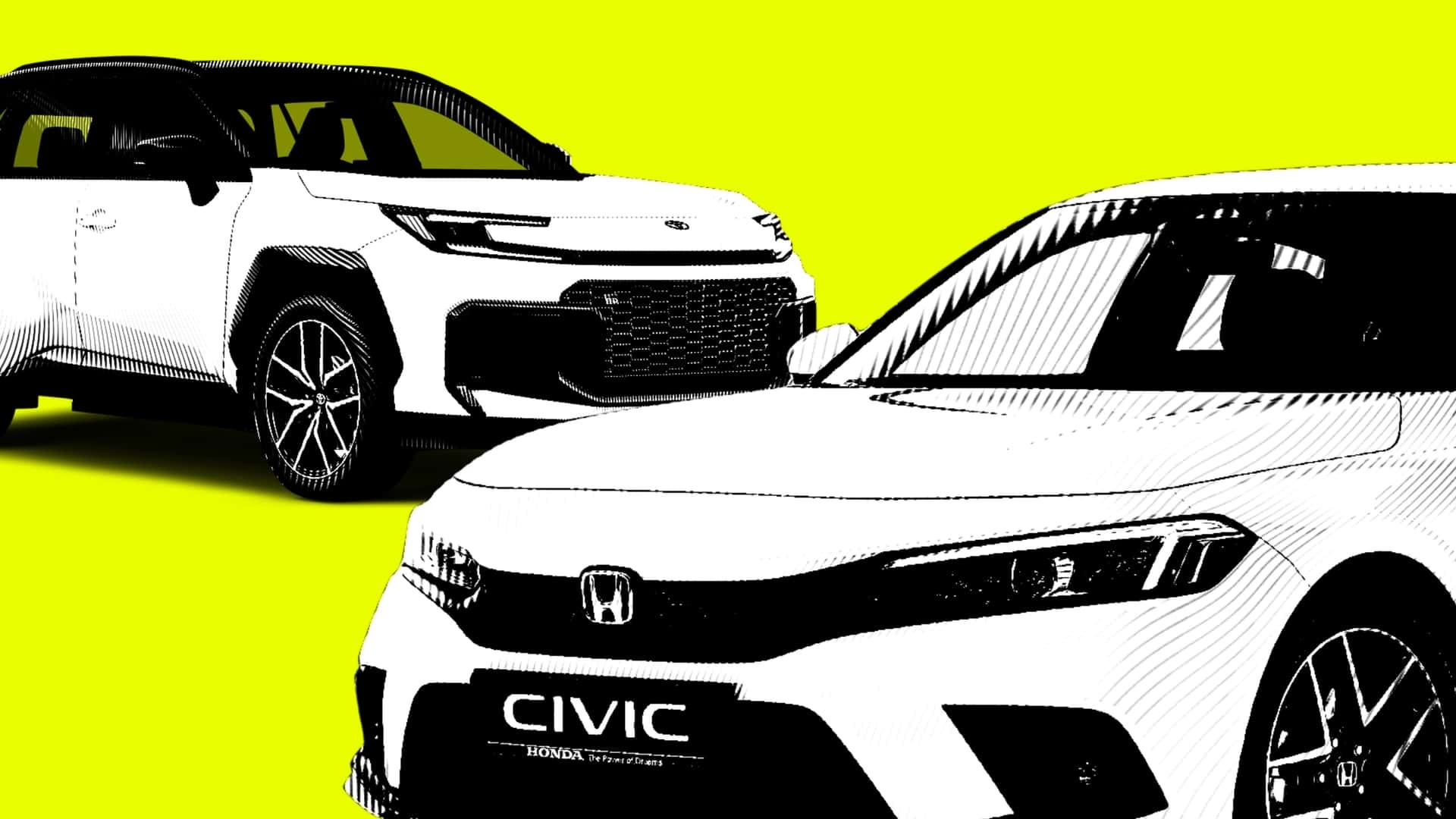
Honda Civic: 57,600 units
Fourteenth. One of two sedans on this list that matters. It beats almost nothing, trailing its main rival, the Toyota Corolla, by nearly 5,000 units. This stuns us. The Civic wins Car of the Year awards. It drives better. It feels nicer inside. Why does the Corolla win on paper while the Civic wins in soul? Nobody knows. Spacious, efficient, built impeccably, it should be higher.
Toyota RAV4: 59,869_units
Thirteenth. A shock, sure, for the former king of crossovers that isn’t a truck. But here’s the context: the RAV4 is new for 2026. Supply hasn’t caught up with demand. Remember it sold nearly half a million in 2025? This is a logistical pause, not a consumer rejection. Once dealers have stock, this number shoots up. Probably.
Ford Explorer: 61,387 units
Twelfth. The vehicle that might or might not be pulling you over. Starting around $40,000, it remains the cheapest entry point to three-row seating. The 2025 refresh gave it a bigger screen. The 2026 model added the Tremor trim—off-road tires, locked diffs, and enough orange plastic to tell cops you are not a cop. Civilian sales remain solid.
Chevrolet Equinox: 61,398 units
Eleventh. By twelve units. Beating the Explorer. This is GM’s best-selling non-truck. Redesigned in 2025 to compete in a crowded segment. The CVT transmission in front-wheel-drive models felt cheap, a distinct drawback in an era demanding smoothness. Next year brings an eight-speed automatic. Will it fix the driving experience? Maybe. It fixed the spec sheet for now.
Toyota Corolla: 62,571 units
Tenth. The global volume champion, aging but enduring. Twelfth-generation Corolla feels a bit dated against newer rivals, yet it sells like clockwork. Sedans are rumored to be making a slow comeback as crossover fatigue sets in. If true, the Corolla is positioned perfectly. Sedan or hatchback, gas or hybrid. It is the definition of it gets there.
The Midsize Divide
Toyota Tacoma: 69,261 units
Ninth. Midsize trucks from Japan selling well in America? That sentence sounds like an error five years ago. Today it is fact. The Turbo and Hybrid versions at launch caused eye rolls among enthusiasts. The sales numbers ignored those eye rolls. Second best-selling Toyota overall. The Pacific Northwest loves it. The rest of America buys it because it works.
Nissan Rogue: 70,173 units
Eighth. A strong showing for a brand often on the defensive. It is the top Nissan and the second best-selling compact crossover. But watch this closely: the current gas-only version is a holdover. The all-new 2027 Rogue launches as an extended-range EV first, with gas coming later. Given how buyers hate EV complications right now, sales may dip before they bounce.
GMC Sierra: 74,318 units
Seventh. A truck for everyone? Work grime (Pro) or leather luxury (Denali)? It fits both. The numbers include heavy-duty units, excluding the electric Sierra which sold roughly 1,300 units—nice niche, terrible volume. The gasoline V-8 crowd still rules GMC’s coffers.
Toyota Camry: 78,253 units
Sixth. Sedans are not dead; they are just selective. The Camry moved nearly 79k units. Hybrid only since 2025. Efficient, comfortable, sharp. It starts under $30,300. At 51 mpg highway, who argues with the math? Best-selling car in America if you strip out trucks and SUVs. The three-box design looks fresh, proving sedans can still turn heads.
Tesla Model Y: 78,590 units (est)
Fifth. The best-selling electric car by a wide margin. Tesla does not break out model data, so estimates vary. But a 23% dip in 2025 turned into a 23% surge in 2026 Q1. Political optics faded? Prices dropped? Something worked. It beat the Model 3 three-to-one. Americans love electric, provided it is a crossover and made by the only brand they trust.
The Truck Trilogy
Ram Trucks: 98,418 units
Fourth. The return of the V-8 saved the year. Stellantis brought the Hemi back for the Ram 1500. Sales jumped 27%. People missed the sound, or perhaps the power-to-weight ratio, regardless of the noise about emissions. Include the heavy-duty Rams and the total is nearly 100k. Stellantis turned a profit. The V-8 lived again. For now.
Honda CR-V: 99,411 units
Third. Best-selling car that isn’t a pickup truck, by a slim but respectable margin over Ram. Practical, pleasant, efficient. The new TrailSport trim added some dirt-ability flavor and a nine-inch screen because humans crave larger interfaces even in vehicles designed for utility. It sells because it makes daily commuting less annoying. A high bar.
Chevy Silverado: 125,136 units
Second. Despite recalling almost 600k units in late 2024 for a catastrophic 6.2L engine fire risk. Loyalty in truck buying is almost religious. Buyers trusted the fix more than the fear. GM navigated a disaster and kept second place. It says a lot about the American truck mindset that a safety scare did not sink the number two spot.
Ford F-Series: 157,497 units
First. The winner, for the 48th time in a row. The math is simple: if you are a Ford engineer, you have probably already started designing the “50 Years Best-Seller” banners for 2028. You will spot an F-150 anywhere outside Manhattan. The volume is insurmountable. Brand loyalty plus sheer ubiquity creates a moat no other automaker has crossed in half a century.
Summary Numbers
- Ford F-Series: 157,833 units
- Chevrolet Silverado: 125,606 units
- Honda CR-V: 99,679 units
- Ram Trucks: 97,620 units
- Tesla Model Y: 76,035 units
- Toyota Camry: 71,609 units
- GMC Sierra: 64,052 units
- Nissan Rogue: 63,048 units
- Toyota Tacoma: 56,036 units
- Toyota Corolla: 42,445 units
FAQ: The Real Talk
Which truck leads in 2026?
The Ford F-Series. By a lot. Followed closely by Chevy. These are entrenched. Expect this for decades.
Are SUVs still growing?
They are plateauing. Crossovers saturate the market. Growth shifts to EV hybrids now, specifically in mid-size segments where the Toyota RAV4 and Honda CR-V compete.
Why does EV volume look lower than 2021?
Demand cooled as incentives vanished. Range anxiety remained. Charging infrastructure lagged. Buyers stayed put with hybrids until fully electric became cheaper to fuel than gas and convenient to charge. We aren’t there yet.
Should you buy a used model or new?
2025 models of the Equinox and Rogue were last-generation products. 2026 brought revisions. For the Camry, hybrid is now mandatory, lowering cost of entry. Buy what fits the budget, drive what feels right. Don’t chase the list. Drive the machine.
The top changes yearly. The landscape does not. Pick up your phone, pick your lane. 🚗