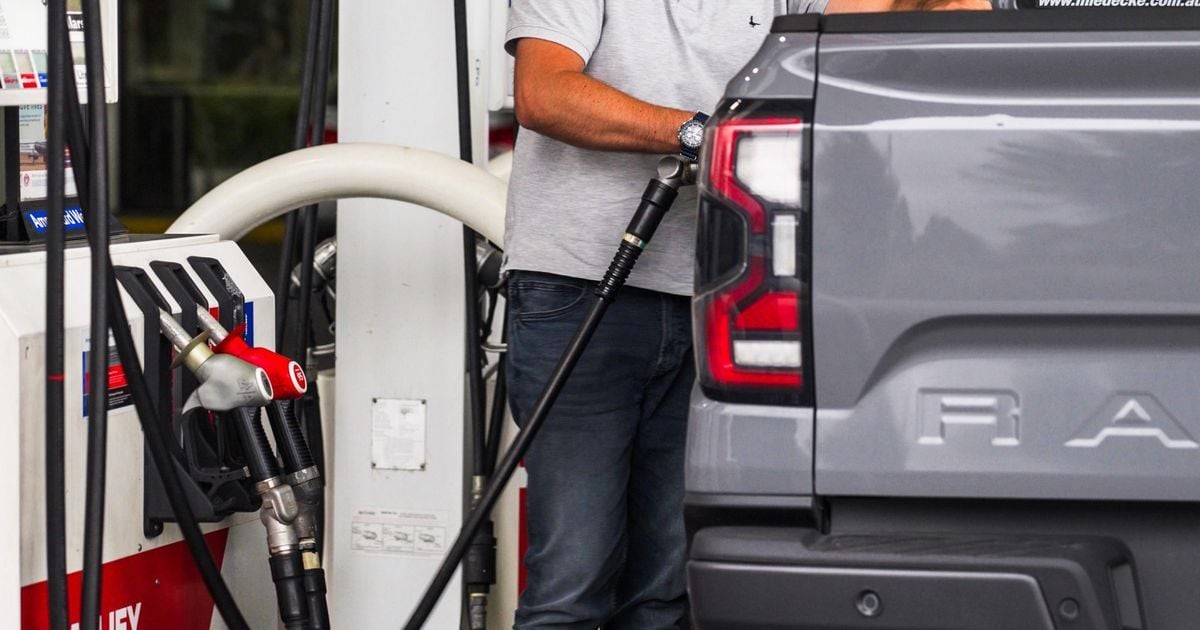
The Australian Federal Government has launched a multi-million-dollar public awareness campaign titled “Every little bit helps,” urging motorists to reduce fuel consumption as the nation grapples with widespread shortages at service stations.
The campaign, which is reportedly costing taxpayers $20 million, utilizes television, radio, billboards, and posters to encourage behavioral changes aimed at stretching the country’s remaining fuel reserves.
The National Fuel Security Plan: Where Australia Stands
The initiative comes as Australia operates under Level Two of its four-level National Fuel Security Plan. Understanding these levels is critical to grasping the severity of the current situation:
- Level Two (“Keeping Australia Moving”): The current phase, focusing on public awareness and conservation.
- Level Three (“Targeted Action”): Requires the government to implement specific measures to manage supply.
- Level Four (Emergency Intervention): The highest level, where the government intervenes directly to protect critical industries and prevent total economic collapse.
While the government has ruled out fuel rationing for the time being, the Liquid Fuel Emergency Act remains in place. This legislation allows for future rationing mechanisms that could limit the dollar amount of fuel a consumer can purchase per transaction if the situation worsens.
Practical Steps for Drivers
To assist the public, the government has launched fuelplan.gov.au, a dedicated portal offering practical advice to maximize fuel efficiency. Key recommendations include:
- Vehicle Maintenance: Keeping tires inflated to the highest recommended pressure and removing unnecessary exterior parts (like roof racks) to reduce aerodynamic drag.
- Driving Habits: Minimizing engine idling, carrying less weight in the vehicle, and driving with windows closed to reduce drag.
- Climate Control: Using air-conditioning and heating on lower settings.
- Smart Purchasing: Buying only the amount of fuel strictly necessary.
Government Intervention and Economic Relief
Beyond public messaging, the government has implemented several structural measures to stabilize the market and lower costs:
- Tax Reductions: As of April 1, 2026, the federal fuel excise was halved from 52.6 cents to 26.3 cents per litre. Additionally, state and territory governments have provided a 5.7cpl discount funded by GST revenue, both effective until June 30, 2026.
- Supply Adjustments: Authorities have temporarily relaxed fuel quality standards, allowing for higher sulfur levels in petrol and a lower flashpoint for diesel. This move is expected to inject approximately 100 million litres of new supply per month into the market.
- Logistics and Heavy Industry: The heavy vehicle road user charge has been temporarily removed for vehicles over 4.5 tonnes, and the government is actively underwriting oil shipments to ensure arrival.
Political Friction and Supply Outlook
The campaign has not been without controversy. Opposition leaders have criticized the spending, labeling the campaign “taxpayer-funded political propaganda.” Shadow Defence Minister James Paterson argued that instead of “lecturing” citizens, the government should focus on its core responsibility: ensuring a steady supply of refined fuel.
The urgency is reflected in the current stock levels. As of April 7, 2026, Australia has approximately 38 days of petrol and 31 days of diesel remaining based on normal consumption rates.
In a diplomatic effort to stabilize these numbers, Prime Minister Anthony Albanese is traveling to Brunei and Malaysia this week to negotiate more secure supplies of both fuel and fertilizer.
Summary: Australia is currently in a high-alert phase of fuel security, attempting to balance immediate consumer demand through tax cuts and supply adjustments while using a massive advertising campaign to curb overall consumption.