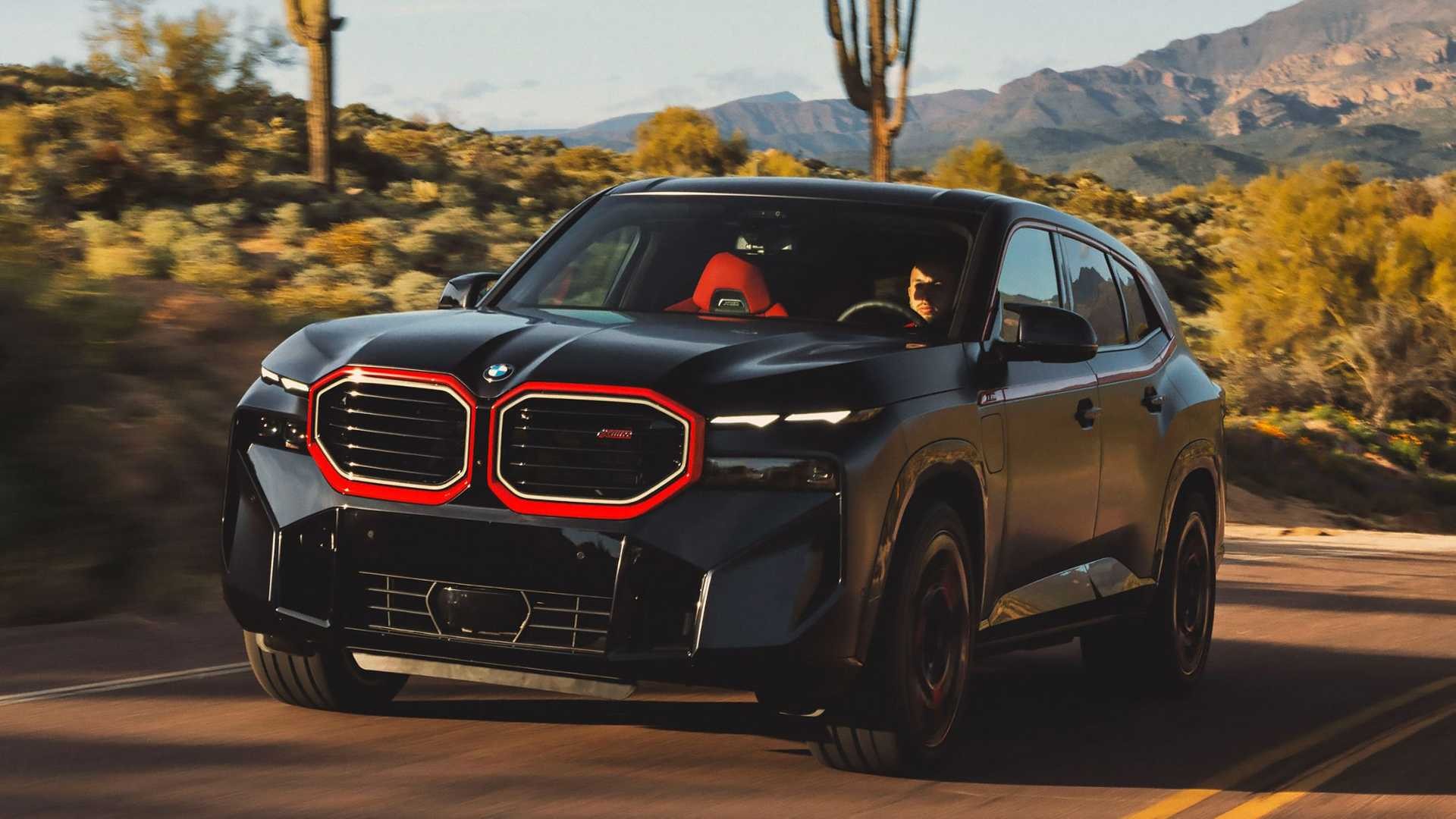
BMW has significantly reduced the price of its most powerful production model, the XM Label, by $25,400. Despite this cut, the vehicle remains one of the most expensive cars built in the U.S., starting at $159,600. The move comes after sluggish sales figures, with only 1,878 XMs sold in the U.S. last year—even fewer than the Z4 roadster.
Why the Price Drop Matters
The XM was intended to be BMW’s halo vehicle, the first dedicated M model since the legendary M1 from the 1970s and early 80s. Instead of a long-awaited mid-engine supercar, BMW opted for a large, plug-in hybrid SUV to compete with the Lamborghini Urus. The decision was met with criticism from enthusiasts and hasn’t translated into strong sales. BMW had projected that the U.S. and China would account for nearly half of global demand, with America alone expected to make up 26% of sales. Whether those projections were met is unknown.
The Competition
The price cut aims to make the XM more competitive, but it still faces an uphill battle. The X5 M Competition, which offers comparable performance, is nearly $28,600 cheaper. While the XM boasts more horsepower, the X5 M’s lighter weight means it isn’t necessarily any slower. Many buyers may prefer the X5 M’s more conventional styling over the XM’s polarizing design.
The Future of the XM
BMW’s decision to prioritize a large SUV over a performance-focused flagship is now under scrutiny. If the XM is to succeed, the next generation will need significant changes. A lighter, pure V8 setup could improve its appeal, while a fully electric version might not be the answer, despite BMW’s EV plans. A more understated design could also broaden its audience, but it would still compete directly with the X5 M. With upcoming high-performance versions of the X7 and Alpina XB7 in development, BMW’s luxury SUV lineup is becoming increasingly crowded.
The XM’s future remains uncertain. BMW has a clear need to address weak sales by radically improving either the model itself or its positioning in the market.