



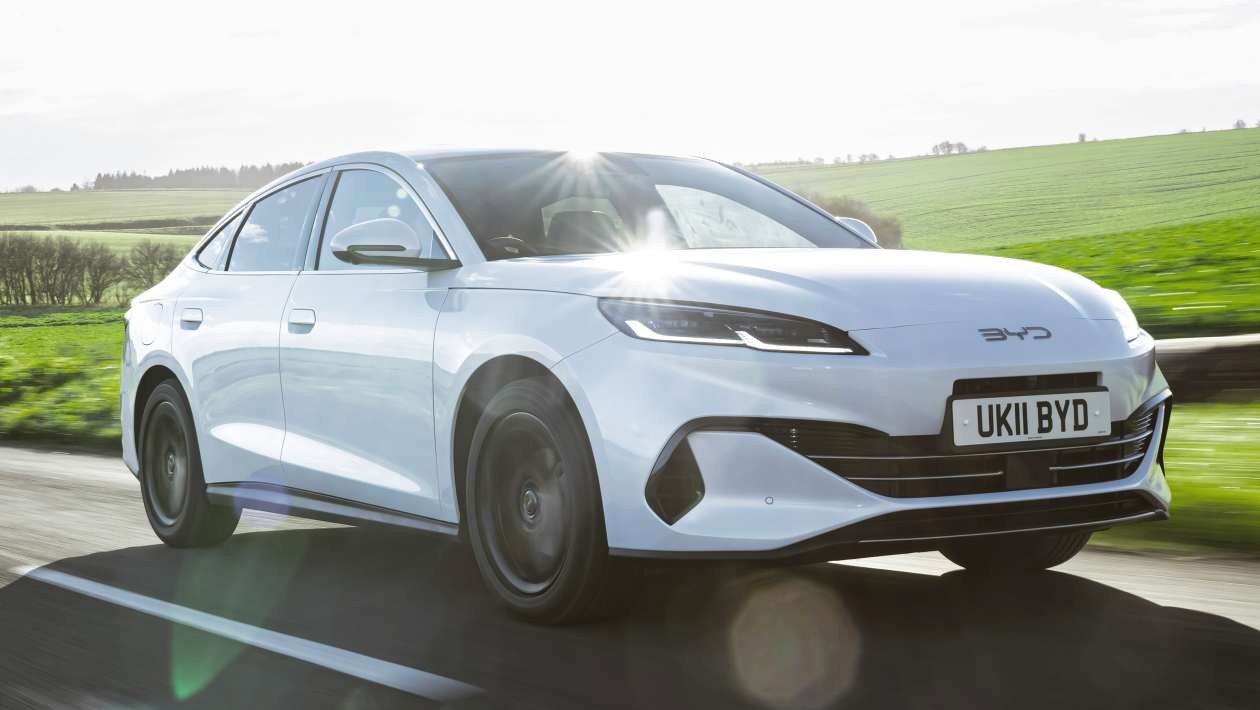
The BYD Seal 6 plug-in hybrid (PHEV) is making waves in the UK market, undercutting established rivals like BMW and Mercedes by a significant margin. However, while the price is attractive, prospective buyers should be aware of some compromises – particularly regarding ride quality and trim levels. The estate version offers better value for only a slightly higher cost, and the more powerful trim provides a noticeably superior driving experience.
Price and Positioning
BYD is rapidly expanding its presence in the UK, and the Seal 6 DM-i is its second PHEV offering. This positions it uniquely against competitors, with the Toyota Prius hatchback as the closest price-equivalent alternative. Though other PHEV saloons and estates exist (VW Passat, Skoda Superb), they typically come at a higher price point. The Seal 6’s aggressive pricing is its primary advantage, but this comes at the expense of refinement in certain areas.
Trim Levels and Performance
BYD offers two trim levels: Boost and Comfort, with a £3,000 price difference. The Comfort trim is the better choice for most buyers. It boasts a larger battery with up to 65 miles of electric range (compared to the Boost’s 34 miles), a more powerful 209bhp engine, and a host of additional features like a panoramic roof, heated seats, and advanced driver assistance systems. The higher trim significantly enhances both usability and equipment, making it well worth the extra cost.
Ride Quality and Handling
The Seal 6 suffers from poor ride quality on UK roads. While the car performs well on smooth surfaces, it struggles with the country’s undulating terrain, delivering a jarring and uncomfortable experience. The suspension feels both floaty and crashy, failing to absorb bumps effectively. The steering is also light and artificial, further detracting from the driving experience. This is the car’s biggest weakness, and will likely deter many potential buyers.
Interior Space and Practicality
Despite the ride issues, the Seal 6 offers ample interior space for passengers, although the battery placement raises the floor height. The cabin quality is decent but not exceptional, with some materials feeling cheap upon closer inspection. The saloon version lacks the practicality of the estate, which features under-floor storage, a 12V socket, and easier-to-use rear seat folding mechanisms. The estate is the more sensible choice for those prioritizing functionality.
Infotainment and Safety
The Seal 6’s infotainment system is functional but can be intrusive. The driver monitoring system is overly sensitive, constantly beeping to remind the driver to keep their eyes on the road. Turning it off requires a cumbersome process, making it a frequent annoyance. The overbearing safety features detract from an otherwise adequate infotainment setup.
Conclusion
The BYD Seal 6 is a compelling option for budget-conscious buyers seeking a PHEV with decent space and competitive running costs. However, the poor ride quality and intrusive safety systems are significant drawbacks. The estate version and higher trim level are strongly recommended to mitigate these issues, but even then, the Seal 6 remains a compromised vehicle best suited for those prioritizing price over refinement.