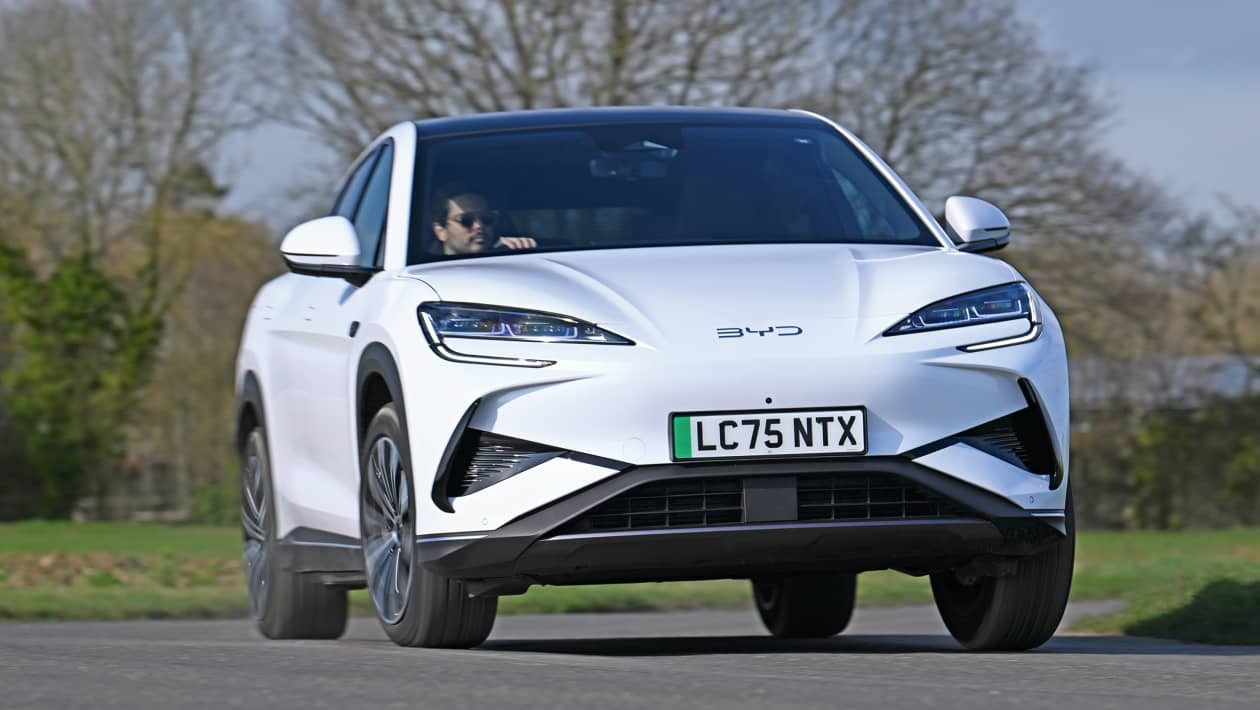
The BYD Sealion 7, despite boasting spaciousness and useful features like parking cameras, ultimately fails to deliver a compelling driving experience. Its ride quality is poor, handling imprecise, and overall refinement lacking—issues that matter significantly given its non-budget price point. This Chinese EV has a long way to go before it can win over skeptical European buyers.
The Rise of Chinese EVs and the Importance of Driving Feel
Chinese manufacturers like BYD are making rapid progress in automotive technology, offering competitive specs and aggressive pricing. However, driving dynamics—the subtle but crucial feel of a car—remain a key differentiator. While tech and features are easy to compare on paper, the driving experience is something only felt after extensive real-world testing. The Sealion 7 highlights this gap; it has the hardware but lacks the software refinement found in established brands.
First Impressions and Everyday Use: A Mixed Bag
The initial reaction from passengers is positive: the Sealion 7 is large and comfortable inside. But the conversation quickly shifts when asked about driving it. The seats, while visually appealing, become uncomfortable after just 15 minutes on the road. The steering wheel angle feels unnatural, almost bus-like, requiring awkward shuffling during turns.
The electric motor response is frustratingly slow, demanding anticipation when merging or overtaking. Drive modes (Sport, Comfort, Eco) offer no noticeable difference. Meanwhile, the brakes are overly sensitive, making low-speed maneuvers jerky and parking a challenge. The suspension, soft but poorly tuned, transmits every bump with exaggerated force. On rough roads, it feels as if the body is struggling to stay connected to the chassis.
Highway Performance: Instability and Noise
At motorway speeds, the Sealion 7 requires constant micro-corrections to stay centered in its lane. The steering feels inert, and wind noise is surprisingly loud. Combined with the sluggish throttle, long journeys are far from relaxing. These shortcomings stem from a lack of European tuning; the car is not optimized for higher speeds or the intricacies of our roads.
The high-tyre profiles (19-inch on base models, 20s on dual-motor) absorb some potholes, but body control remains poor. The suspension constantly grumbles, breaking the otherwise quiet cabin experience.
Efficiency and Value: Not Competitive
The Sealion 7’s efficiency is mediocre at best. Real-world testing yields around 2.9mi/kWh in mixed driving, dropping to 2.5mi/kWh on motorways, limiting range to under 200 miles on a long trip. At current charging rates, it costs around 20.8p per mile, making it less economical than many petrol cars.
The starting price of £47,000 (Comfort trim) puts it in direct competition with established EVs like the Volkswagen ID.5, which offers more range, comparable performance, and a lower price tag. The BYD does not justify its cost with superior value.
Camera System: A Bright Spot
The Sealion 7’s standout feature is its 360-degree camera system. The clear, perfectly-aimed views, especially of the front wheels, make parking and navigating tight spaces effortless. This is the one area where BYD has truly excelled.
The Verdict: A Missed Opportunity
The BYD Sealion 7 demonstrates Chinese automakers’ ambition but falls short in execution. While it offers a spacious cabin and modern features, its poor ride, handling, and mediocre efficiency prevent it from being a convincing alternative to established EVs. The lack of refinement and competitive pricing make it difficult to recommend.
The car lacks the “soul” that transforms a vehicle from a tool into something cherished. Until BYD addresses these fundamental flaws, the Sealion 7 will struggle to win over buyers in Europe.