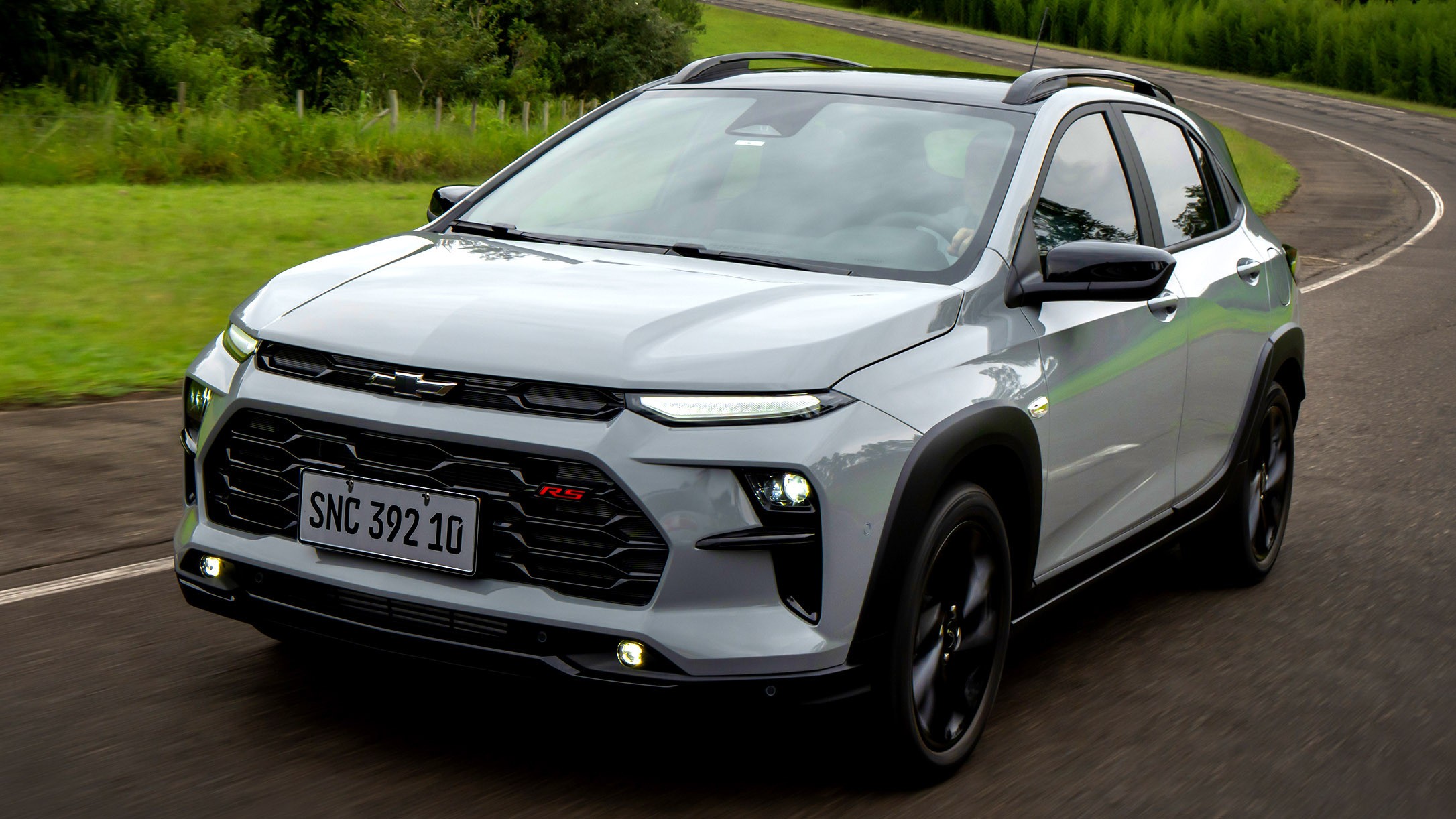
Chevrolet has officially unveiled the redesigned Sonic in Brazil, but don’t expect the compact sedan or hatchback that North American drivers once knew. Following the model’s discontinuation in the U.S. in 2020, Chevrolet has undergone a radical rebranding, transforming the Sonic nameplate into a crossover-style coupe.
This shift reflects a broader global automotive trend: the rapid decline of traditional small sedans in favor of high-riding, “lifestyle” vehicles that offer more perceived utility and a more aggressive silhouette.
A New Design Language
The redesigned Sonic moves away from its utilitarian roots toward a more expressive, modern aesthetic. Key design elements include:
- Front Fascia: A split grille design paired with slender LED daytime running lights. The mid-mounted projector beam headlights are reportedly 20% brighter than previous standard units.
- Brand Identity: The vehicle debuts Chevrolet’s updated, more horizontal black bowtie logo, which can also be illuminated as an optional accessory.
- Rugged Styling: The RS variant features black accents and plastic body cladding. For those prioritizing utility, the roof rack is rated to carry up to 110 lbs (50 kg).
- Rear Profile: Drawing visual cues from the Equinox EV, the rear features an angular window, a pronounced spoiler, and a full-width light bar.
Positioning and Dimensions
The new Sonic is built on the Global Emerging Markets platform, specifically designed to navigate dense urban environments while offering the presence of an SUV.
In terms of size, it sits in a strategic niche within Chevrolet’s lineup. It is approximately 166.5 inches long, making it roughly 7 inches shorter than the American Chevrolet Trailblazer. This compact footprint allows it to bridge the gap between the existing Tracker and the upcoming Onix Activ.
Interior and Technology
While full specifications for the cabin remain under wraps, Chevrolet has teased a “virtual cockpit system.” This setup is expected to integrate a digital instrument cluster with advanced multimedia connectivity. The manufacturer has emphasized a higher level of perceived quality, promising:
– Soft-touch accents and piano black inserts.
– “Premium” seat covers.
– A level of sophistication intended to mirror the brand’s larger utility vehicles.
The Role of AI in Development
In a notable departure from traditional automotive manufacturing, Chevrolet revealed that this model was developed entirely in a virtual environment, driven by artificial intelligence. This suggests a push toward more efficient, digitally-led design cycles that can rapidly adapt to specific regional market needs.
While technical details regarding the powertrain remain scarce, early indications suggest the Brazilian market will see turbocharged engines only.
As Chevrolet prepares for a May launch, the Sonic’s rebirth serves as a litmus test for whether a legacy nameplate can successfully pivot from a budget commuter to a tech-focused, lifestyle-oriented crossover.
Conclusion
By transforming the Sonic from a traditional subcompact into a tech-heavy crossover coupe, Chevrolet is attempting to capture a younger, urban demographic. The success of this pivot will depend on whether the vehicle’s digital sophistication and “virtual” design can translate into real-world driving appeal.