Soaring fuel costs are forcing drivers to re-evaluate their choices at the dealership. While geopolitical instability and conflicts in regions like the Middle East and Ukraine continue to drive up prices at the pump, a simple calculation can now make the difference between overspending and saving hundreds – or even thousands – of pounds over the lifespan of a vehicle.
The Math Behind Hybrid Savings
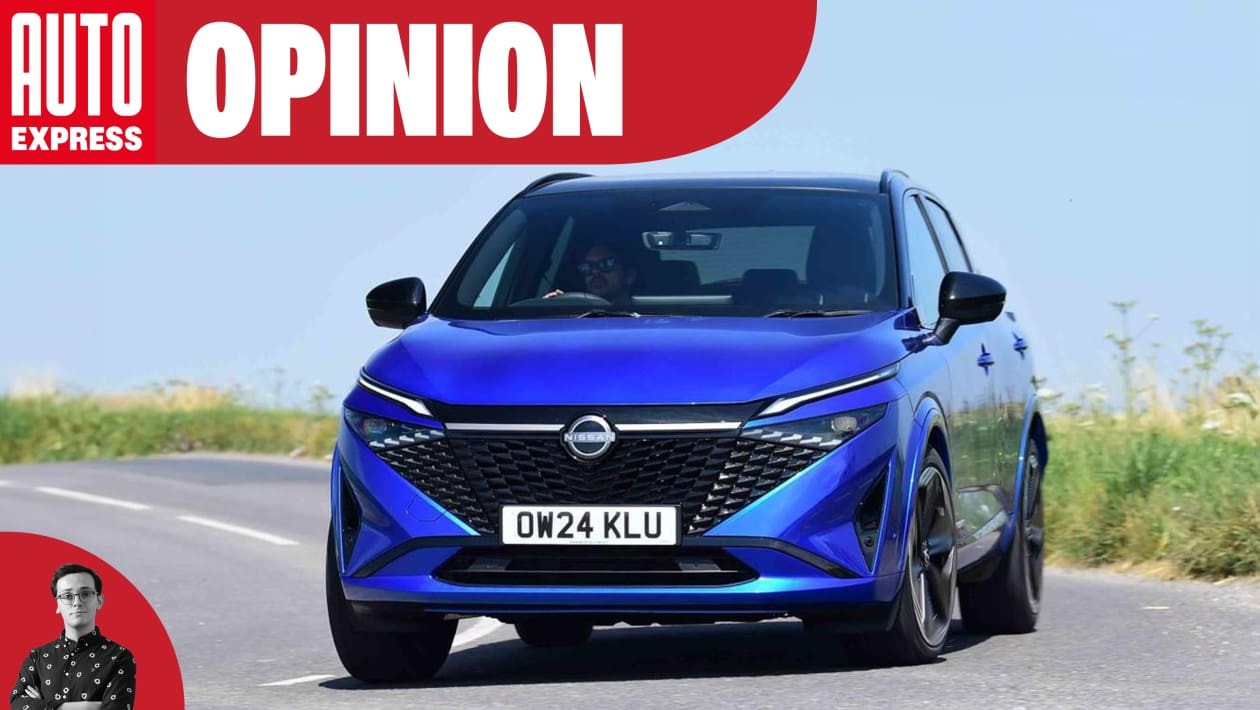
The upfront cost of more fuel-efficient vehicles, such as hybrids, may be slightly higher, but the long-term savings can quickly offset this initial investment. Consider the Nissan Qashqai. A mid-range petrol model costs roughly £381 per month to lease, while the e-Power hybrid version averages only £7 more. However, the hybrid boasts a 64mpg fuel efficiency compared to the petrol’s 45.5mpg. Over a typical 36,000-mile lease, this translates to roughly £1,300 saved on fuel alone.
The same principle applies to the Vauxhall Corsa. A mild-hybrid variant costs only £22 more per month (£367 vs. £345) but delivers 13mpg more, potentially saving nearly £900 over three years. Even modest efficiency gains can add up: a Volkswagen Golf eTSI mild-hybrid offers only 2mpg more than the standard model, but this still amounts to around £150 in fuel savings over 36,000 miles.
The Impact of Future Price Hikes
These savings become even more pronounced if fuel prices continue to rise. If petrol reaches 140p per liter, the choice between a standard and hybrid model becomes far more clear. Even small improvements in efficiency, such as the Golf eTSI’s 2mpg gain, could result in hundreds of pounds saved as prices climb.
Beyond Specific Models: The Broader Trend
The real lesson is that fuel economy is now a crucial factor in long-term vehicle costs. In comparative tests between the Volkswagen Golf and the Kia K4, the Golf’s superior fuel efficiency made it cheaper to run despite its higher initial price.
The key takeaway: consumers should calculate total cost of ownership rather than focusing solely on monthly payments. A slightly more expensive, fuel-efficient vehicle can quickly pay for itself, especially if geopolitical events drive fuel prices higher.
Ultimately, doing the math before signing a lease or finance agreement is essential. A significant boost in fuel efficiency can offset any additional monthly costs, and often results in a more powerful or premium vehicle in the process.