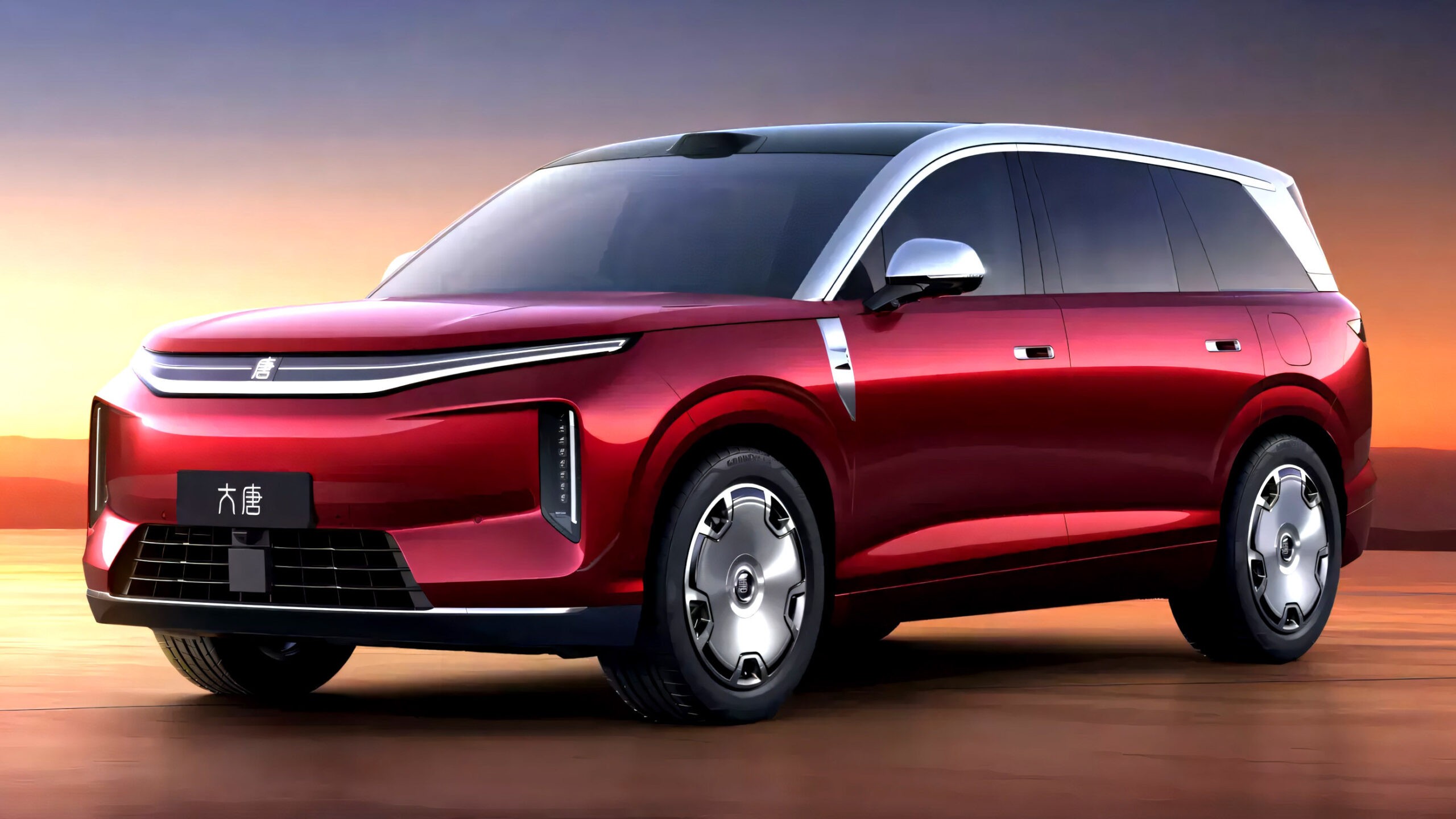
BYD, the Chinese electric vehicle (EV) giant, has reported a significant surge in interest for its new flagship SUV, the Great Tang. Despite facing eight consecutive months of year-over-year sales declines, the company has secured over 100,000 pre-sale orders for the vehicle in just two weeks.
This rapid adoption offers a critical counter-narrative to recent market data, suggesting that while BYD’s overall growth has plateaued, consumer appetite for high-specification, premium EVs remains robust—provided the price point is competitive.
A Surge in Demand for Premium Electric SUVs
The Great Tang was officially unveiled at the Beijing Auto Show, where pre-sales opened simultaneously. The response was immediate and substantial:
- Total Pre-Orders: Over 100,000 units within two weeks.
- Initial Velocity: More than 30,000 orders were placed in the first 24 hours alone.
These figures are particularly notable because the Great Tang is a full-size SUV, larger than competitors like the Hyundai Ioniq 9 and Kia EV9 sold in Western markets. This indicates that Chinese consumers are not just buying EVs for utility, but are increasingly willing to invest in larger, more luxurious electric vehicles when the value proposition is strong.
Technology and Performance at a Competitive Price
The primary driver behind this success appears to be the combination of cutting-edge technology and aggressive pricing. The Great Tang is built on BYD’s new Super e platform, featuring a second-generation Blade battery and a 1,000-volt electrical architecture.
Key Specifications and Pricing
Entry-Level Model
* Price: 250,000 yuan (approx. $36,700)
* Power: 496 hp (single rear-mounted motor)
* Range: Up to 950 km (590 miles) under the CLTC testing cycle
* Charging Speed: 10% to 97% in just 9 minutes
Flagship Model
* Price: 320,000 yuan (approx. $47,000)
* Power: 784 hp
* Performance: Significantly outpaces the most powerful versions of rival Ioniq 9 and EV9 models.
The entry-level price point is notably low for a vehicle of this size and technological sophistication. By offering flagship-level features—such as ultra-fast charging and extended range—at a mid-range price, BYD is effectively disrupting the traditional hierarchy of the luxury SUV market.
Interior Luxury and Practicality
Beyond performance metrics, the Great Tang is designed to appeal to families seeking both comfort and technology. The vehicle is configured as a 2+2+3 seven-seater, ensuring ample space for passengers.
Standard interior features include:
* Three front-facing screens for driver and front-passenger interaction.
* A fold-down display from the headliner specifically for rear passengers.
This focus on cabin technology and spatial comfort aligns with broader trends in the Chinese auto market, where digital integration and passenger entertainment are becoming key differentiators for buyers in the premium segment.
Conclusion
The overwhelming pre-sale success of the Great Tang demonstrates that BYD’s recent sales slowdown is not necessarily a sign of declining brand loyalty, but rather a reflection of intense market competition and shifting consumer preferences. By delivering high-end specifications and luxury features at an accessible price point, BYD has proven it can still capture significant market share in the premium EV sector.