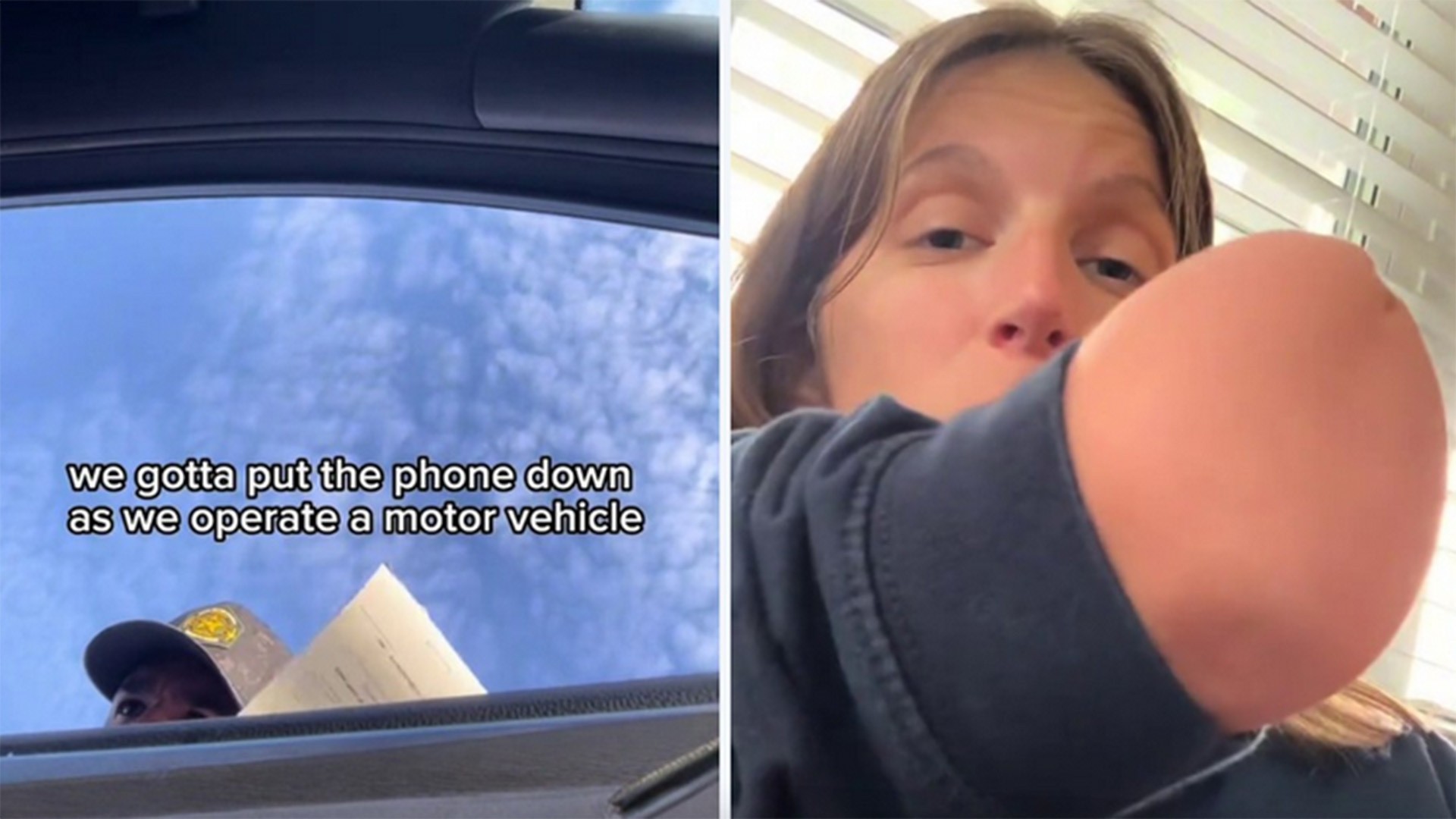
A Florida woman was recently issued a citation for violating the state’s distracted driving law, despite the fact that she does not have a right hand – the hand the officer claimed she was using to hold her phone. The incident, which quickly went viral on TikTok before the original post was removed, highlights inconsistencies in law enforcement and raises questions about how closely officers adhere to the actual requirements of Florida Statute 316.305(3)(a).
The Incorrect Citation
The woman received a $116 ticket from the Palm Beach County Sheriff’s Office for holding a wireless device while driving. During the traffic stop, the deputy stated he observed her using her right hand to operate the phone. When questioned, the officer confirmed his statement, even after the woman demonstrably showed him her missing limb.
This case isn’t just absurd; it’s legally shaky. The citation only mentions holding a device, not actively using it for texting or data entry. Florida’s distracted driving law requires officers to observe a driver manually typing on their device for a violation to occur. Simply holding a phone, even if one had both hands, isn’t enough under the current statute.
Why This Matters: Ambiguous Enforcement
The incident points to broader issues with how Florida’s traffic laws are enforced. While the state has laws against “super speeding” and specific regulations on license plates, the application of these rules can be uneven. Police struggle with consistent enforcement, sometimes ticketing drivers for technicalities that don’t align with the spirit of the law.
This case is an extreme example, but it underscores a pattern: law enforcement may not fully understand or correctly apply the laws they are tasked with upholding. The woman is contesting the ticket in court, and legal experts suggest the citation will likely be dismissed due to the lack of proof that she was actively texting.
“The law doesn’t just punish holding a phone; it punishes the act of typing while driving.”
The Takeaway
The Florida driver’s story is a reminder that even laws with clear wording can be misinterpreted or misapplied. This incident is likely to encourage greater scrutiny of traffic stops and prompt law enforcement to review the specifics of distracted driving statutes. While the case is unusual, it serves as a cautionary tale about the importance of precise observation and accurate reporting in policing.