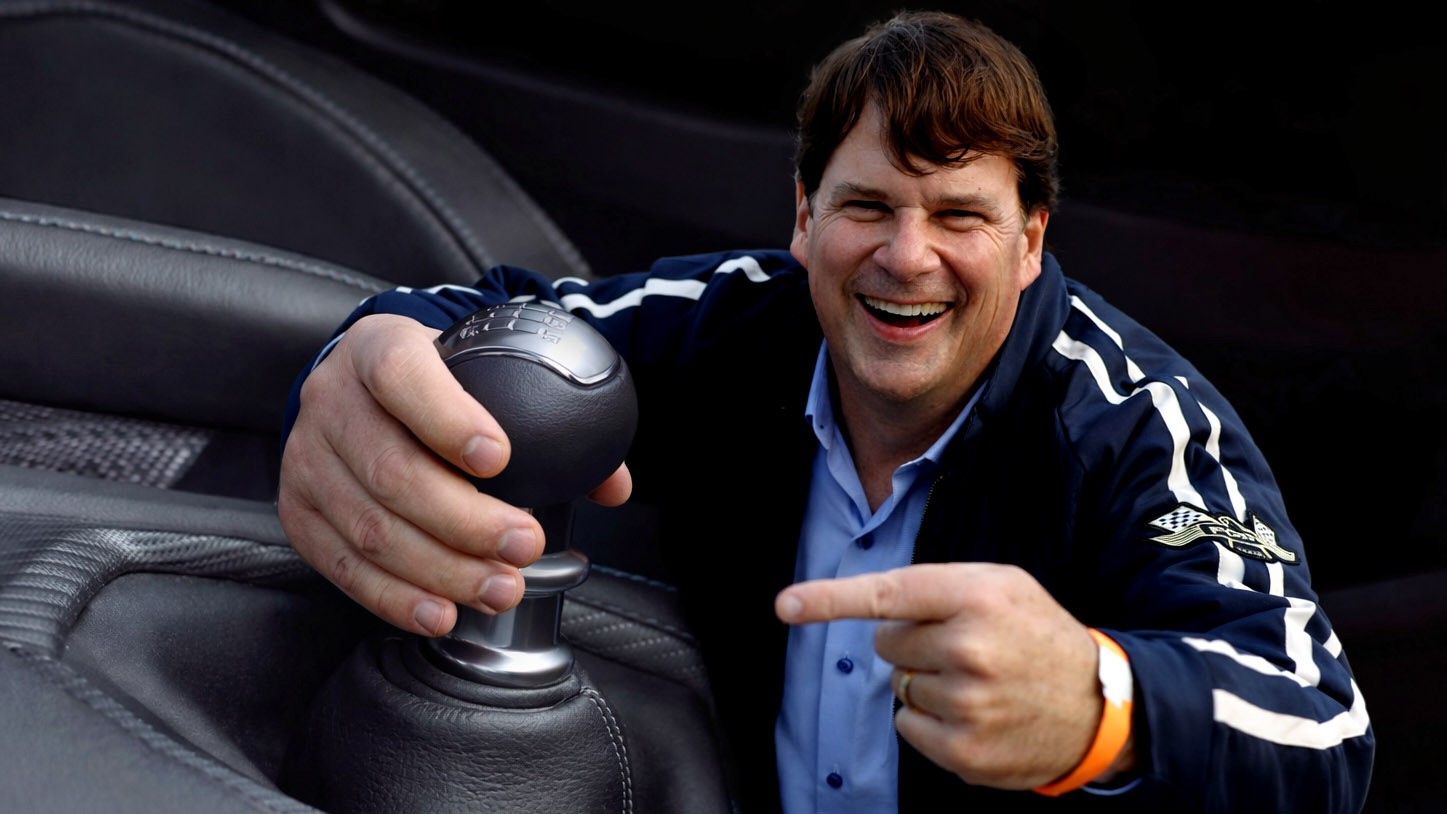
Jim Farley, CEO of Ford Motor Company, has issued a firm commitment to preserving the manual transmission option in the iconic Ford Mustang. In an era where automakers are increasingly abandoning stick shifts in favor of electric drivetrains and automated transmissions, Farley’s stance is a defiant nod to enthusiast drivers and a recognition of the Mustang’s cultural significance.
The End of an Era? Not for Ford
The automotive industry has seen a rapid decline in manual transmission availability. Stricter emissions regulations, the rise of sophisticated automatic gearboxes, and changing consumer preferences have led many manufacturers – including BMW – to phase out manual options. These shifts are driven by efficiency, cost, and the demands of modern vehicle development.
However, Ford appears determined to resist this trend. Farley stated bluntly that the manual transmission will be “taken out of our cold, dead hands,” signaling a refusal to abandon a key part of the Mustang’s identity. This decision is especially notable given the financial pressures and logistical challenges involved in maintaining a manual option in today’s market.
Why the Mustang is Different
The persistence of the manual transmission in the Mustang reflects more than just nostalgia. For Ford, the stick shift represents a direct connection between driver and machine – a core element of the Mustang’s appeal. The company recognizes that a significant portion of Mustang buyers still choose the six-speed manual option, demonstrating continued demand from enthusiasts.
Developing and certifying a manual gearbox in the current regulatory landscape is costly and complex. Supply chains are geared toward automatic transmissions, making manual production less efficient. Yet, Ford is willing to invest in maintaining this option, recognizing its importance to the Mustang’s legacy.
The Bigger Picture: Enthusiast Demand
Farley’s statement aligns with a broader recognition of enthusiast demand within the automotive industry. While many brands prioritize efficiency and automation, Ford acknowledges that a passionate customer base still values the tactile engagement of a manual gearbox. This decision also suggests a commitment to building cars that appeal to drivers beyond mere acceleration numbers or the latest technological trends.
“I really believe Ford best serves the working people and enthusiast drivers,” Farley said, emphasizing the company’s dedication to building engaging, non-boring vehicles.
Ford’s stance on the Mustang’s manual transmission is a deliberate choice to honor its heritage and cater to a dedicated audience. In a market dominated by automation, this commitment to a classic driving experience sets the Mustang apart.