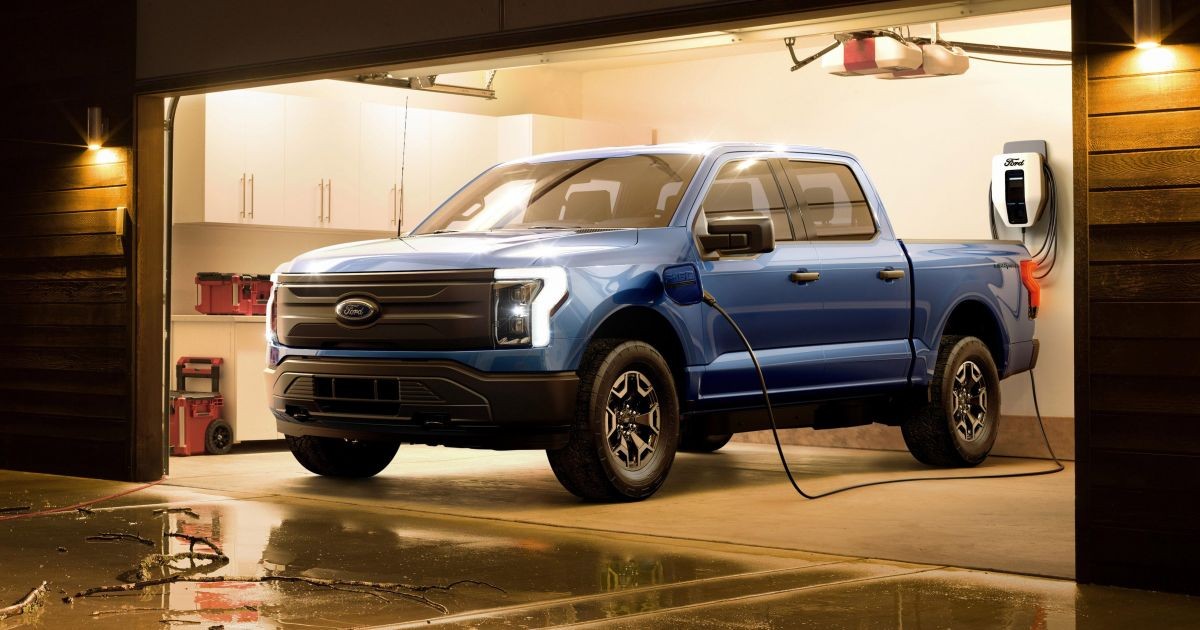
Ford is abandoning its all-electric F-150 Lightning pickup, opting instead for an extended-range electric vehicle (EREV) model that includes a gasoline engine. The decision, announced amid a broader restructuring of Ford’s EV plans, will cost the automaker nearly $30 billion AUD.
Strategic Shift Amid Market Realities
The move reflects growing industry skepticism towards fully electric vehicles (BEVs), as evidenced by similar decisions from rivals like Ram. Ford CEO Jim Farley has openly discussed the need to adapt to changing market conditions, citing the potential decline in EV sales due to the end of incentives and the rise of aggressive competition from Chinese automakers.
The core issue is profitability. Pure EV models have proven costly to produce and sell at scale, while hybrid-electric options provide a more immediate path to financial stability. The new F-150 EREV will use a gasoline engine to generate electricity for the electric motors, extending the range beyond 1100km without relying solely on battery power.
Beyond the F-150: A Wider EV Rethink
This isn’t an isolated case. Ford is also shelving plans for an electric van previously slated for production in Ohio, prioritizing gasoline and hybrid alternatives instead. The company still intends to develop an electric pickup truck based on its new, more affordable “Universal EV Platform,” but the focus is shifting towards smaller, more accessible models.
“This is a customer-driven shift to create a stronger, more resilient and more profitable Ford.” – Jim Farley, Ford CEO
Global Implications and Australian Context
The decision comes as the automotive industry grapples with tariffs, supply chain issues, and uncertain government policies. In Australia, pending changes to electric vehicle tax incentives and the potential introduction of a road-user charge add further complexity.
Ford’s electric van sales are modest in Australia, accounting for less than 7% of total Transit Heavy sales. The Mustang Mach-E also struggles to compete with rivals like Tesla and Volkswagen. The EREV F-150’s availability in Australia remains unconfirmed, though the F-150 itself is due for an update in 2026.
The Bottom Line
Ford is recalibrating its EV strategy to prioritize financial viability and market demand. The shift towards hybrid-electric vehicles represents a pragmatic response to economic pressures and evolving consumer preferences. By 2030, Ford expects EVs, EREVs, and hybrids to account for half of its global sales, signaling a balanced approach rather than a full commitment to all-electric mobility.