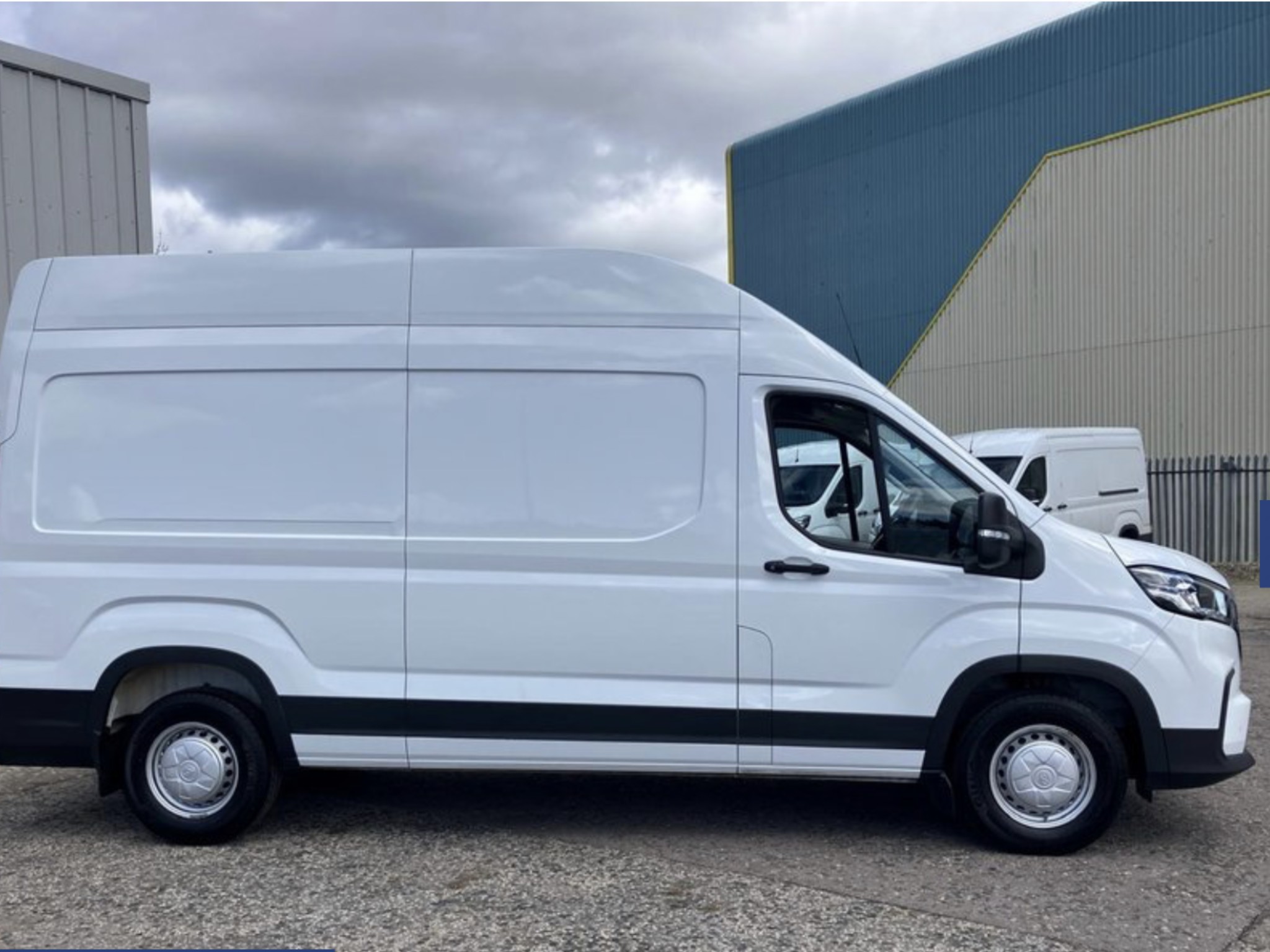
It starts with a door handle. You turn it, the van swings open, and suddenly you’re wondering if this is the tool you need for the job ahead. Scottish businesses are growing. Fast. And nowhere is this more apparent than in the transport choices being made. A car is personal. A commercial vehicle? That is a business decision. It dictates speed, cost, and how your client perceives you the second you pull up.
The Workhorse Factor
Let’s talk about the van. It isn’t glamorous. It’s rarely pretty. But for the electrician in Glasgow or the landscaper in the Highlands, it’s everything.
The right van doesn’t just carry tools. It carries time.
Most Scottish SMEs run on wheelbases. Tradespeople. Couriers. Maintenance crews. If the vehicle doesn’t fit the payload, the day gets hard. You take two trips instead of one. You wait longer at sites. You lose margin. Selecting a model that matches your actual workload—not your imagined future workload—streamlines the daily grind. Productivity isn’t a buzzword here. It’s the difference between finishing by 5 pm or working overtime.
A reliable ride means better time management. Fewer trips. Quicker turnover. As demand spikes, and it always does in this climate, the vehicle becomes the bottleneck or the enabler. Get it wrong, and growth chokes. Get it right, and you have a foundation that actually holds.
Buying Smart
So, you’re looking at the classifieds. Or talking to a broker. What do you actually need?
Expanding companies face a tricky math problem. You want low entry costs, sure. But you also need long-term resilience. A cheap van that breaks down in February costs more than a pricier one that keeps running until next harvest. It’s about value, not just price tag.
When scanning listings for vans for sale in Scotland, look beyond the mileage. Check the load bay dimensions. Is the engine suited for hilly commutes or just urban stop-and-go? Does the spec match your industry’s reality?
- Load capacity: Don’t guess. Measure.
- Reliability history: Ask the mechanic, not just the seller.
- Operating efficiency: Fuel burn kills margins quietly.
A wider selection of models exists today. Electric. Hybrid. Diesel. Each has a place. The key is alignment. Does the vehicle support the workflow now? And can it handle a 20% increase in volume in 18 months? Planning isn’t just about hiring people. It’s about hardware.
The Boring Part (That Saves You Money)
Add ten vehicles to your fleet and chaos arrives. Suddenly, you don’t know which car needs a tire change or whose service is due.
This is where fleet management services come in. Not to spy on drivers. But to stop the bleed. Fuel waste. Preventative neglect. Random breakdowns in remote parts of the Highlands because no one remembered to book the MOT.
Visibility is power. Knowing your fleet’s health lets you act, not react.
Proactive scheduling means you fix the small thing before it becomes the big bill. It also means smarter routing and better resource allocation. You’re not guessing when the next van is free. You know. For a growing business, this oversight isn’t optional. It’s how you keep operations from collapsing under their own weight.
Rolling Advertising
Look at your side mirror. What does the van behind you look like?
In a busy market, every parked van is a billboard. Most owners treat their vehicle like a rental car until it needs fixing. Big mistake. Consistent branding builds trust before you even knock on the door. It says, “We are established. We are professional. We care.”
Professional graphics do more than list your phone number. They signal credibility. If a customer sees a clean, branded team arriving, their expectation of the service rises. They assume quality. In sectors where competition is fierce, this psychological edge is worth thousands in repeat business. Don’t leave that free media space blank.
Keeping the Lights On
You bought the van. You branded it. You’ve got the management software. Now what?
You service it. Regularly.
Maintenance is the unglamorous heartbeat of vehicle ownership. Skipping it is how small problems become tow-truck expenses. Identifying a failing alternator before it strands a technician at a client site? That’s profit preservation.
Regular servicing boosts longevity. It keeps fuel economy high. It ensures safety. For Scottish businesses operating across diverse terrain—from coastal winds to mountain passes—dependability is non-negotiable. Neglect invites downtime. Downtime invites angry clients. Investing in upkeep isn’t spending; it’s protecting the asset you rely on every single morning.
The choice is yours, of course. But in business, choices are never neutral.