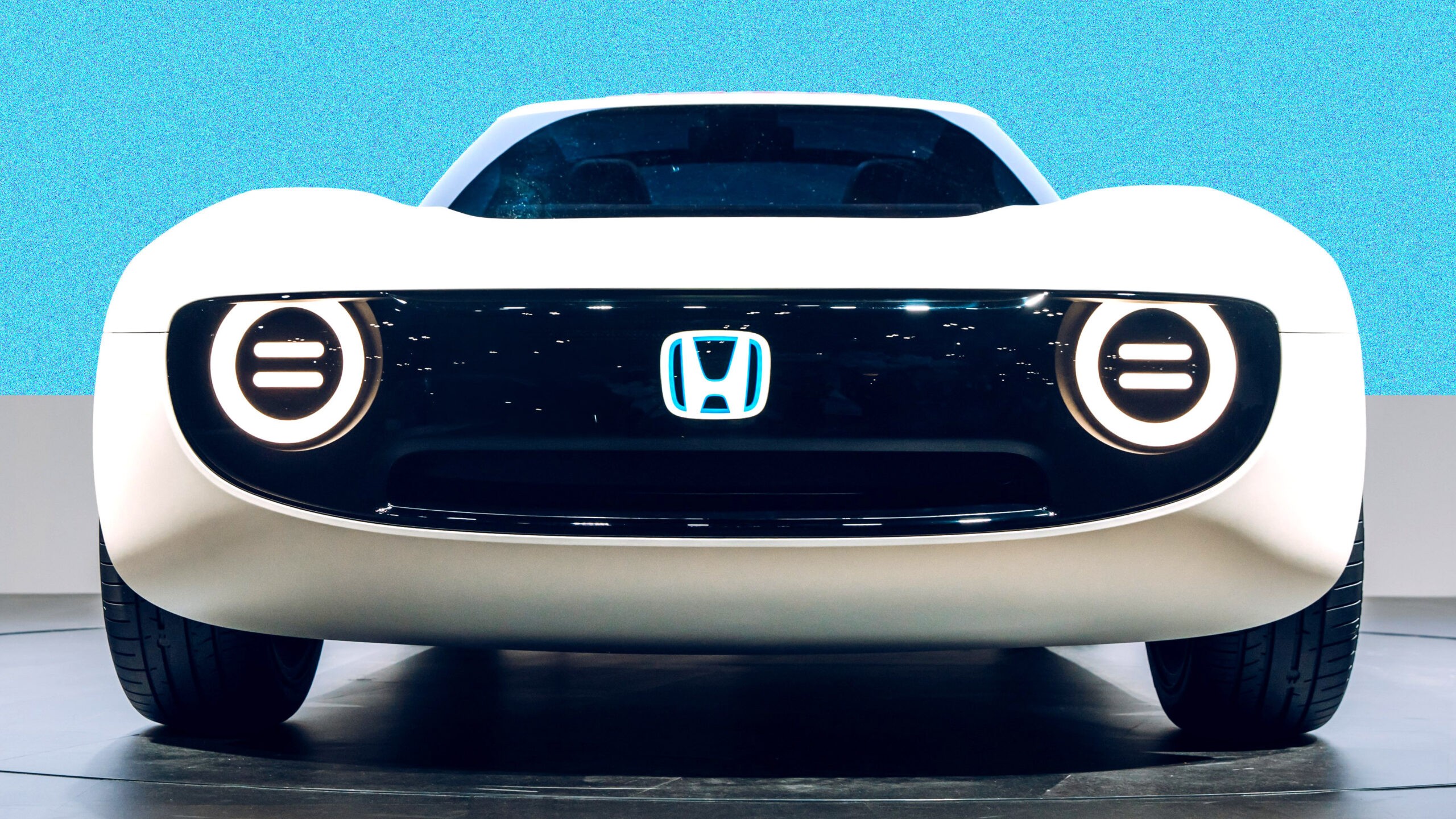
Honda is attempting a radical strategic pivot by returning to a corporate structure it abandoned decades ago. After realizing that its centralized development model has left it lagging behind the lightning-fast pace of the Chinese automotive market, the company is reinstating an independent R&D arm—a move that mirrors its successful organizational setup from the 1960s.
The “Innovation Gap” in China
The catalyst for this reversal is the overwhelming speed of Chinese competition. While traditional Japanese automakers typically follow long, methodical development cycles, Chinese giants like BYD and Geely are operating on a different timeline.
The disparity is stark:
– Speed to Market: Chinese rivals can bring new models from concept to consumer in as little as 18 months.
– Technological Integration: These competitors are leading in software integration and highly automated manufacturing.
– Market Share Erosion: Honda’s presence in China is shrinking, with sales reportedly dropping by 24% in 2025.
The urgency behind Honda’s restructuring was underscored by CEO Toshihiro Mibe. Following a visit to a Chinese supplier, Mibe offered a blunt assessment of the company’s current position: “We have no chance against this.”
Returning to the 1960s Model
To bridge this gap, Honda is undoing a major reorganization from 2020. During the pandemic era, the company centralized its Research & Development to prioritize efficiency and reduce complexity. However, this rigid structure appears to have stifled the very creativity needed to compete in the EV era.
By spinning engineers back into a semi-independent R&D unit, Honda is resurrecting a philosophy that defined its golden age. In 1960, Honda established a separate R&D entity that allowed engineers to experiment without heavy corporate oversight. This autonomy led to several historic breakthroughs,