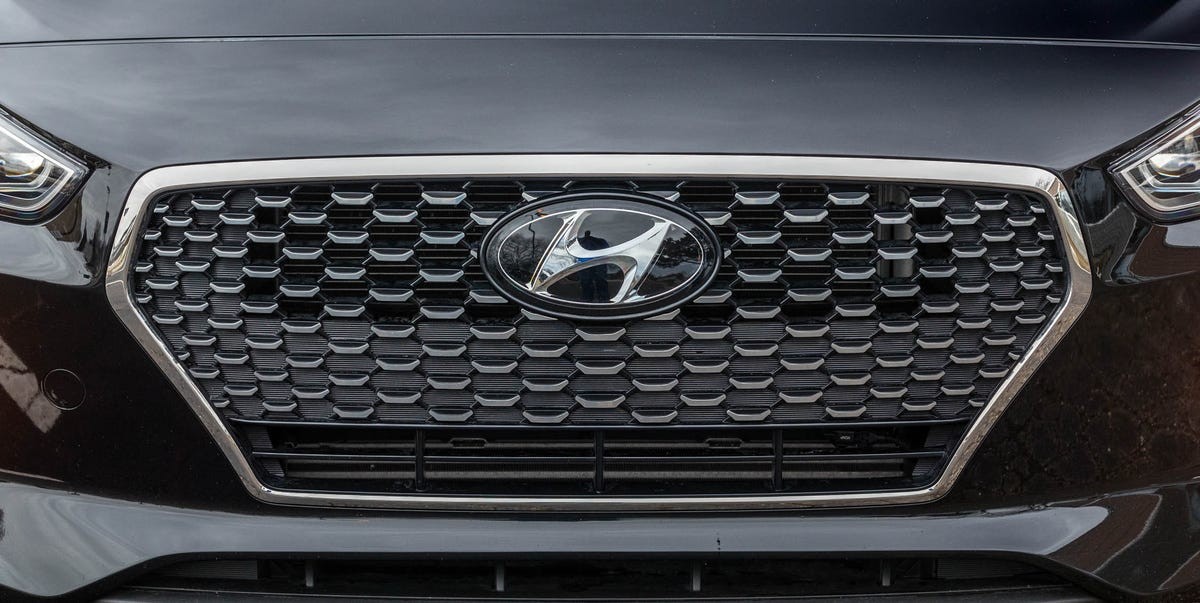
Hyundai and Kia have agreed to a multi-state settlement requiring them to repair nearly 9 million vehicles prone to theft due to a design flaw exploited by a viral TikTok trend. The fix, estimated to cost over $500 million, involves installing anti-theft devices in cars built between 2011 and 2022 that lacked standard engine immobilizers. This follows a dramatic spike in vehicle thefts across the U.S. after a 2021 social media challenge popularized easy car-jacking methods.
The Root of the Problem: Missing Immobilizers
For years, Hyundai and Kia manufactured vehicles without engine immobilizers—a common security feature in most other cars that prevents hot-wiring. This omission left their models uniquely vulnerable to a technique spread via TikTok, allowing thieves to bypass ignition systems with simple tools. The automakers continued this practice well into the 2020s, despite widespread knowledge of the risk. The settlement forces them to rectify this design choice retroactively.
What the Settlement Covers
Under the agreement reached by 35 states, including California, New Jersey, and New York, Hyundai and Kia will:
- Offer free repairs to eligible vehicle owners. The primary fix is a zinc sleeve installed in the steering rack, physically blocking access to the ignition cylinder.
- Pay up to $4.5 million in restitution to victims whose cars were damaged during thefts.
- Mandate engine immobilizers in all future U.S. models, though both companies claim they were already implementing this change.
Why This Matters
The settlement isn’t just about fixing cars; it’s about corporate responsibility and the real-world consequences of cost-cutting in vehicle design. The failure to include basic security features in millions of cars exposed consumers to financial loss, property damage, and even physical danger. The viral theft trend demonstrated how quickly social media can amplify vulnerabilities, forcing automakers to respond under legal and public pressure.
This case highlights the importance of proactive safety measures rather than reactive fixes. Automakers must prioritize security from the start to protect consumers and prevent future exploitation.
Hyundai and Kia have set up funds to compensate affected owners, but the long-term damage to their brand reputation may be harder to repair. The settlement closes one chapter in this saga, but it also serves as a warning to the industry: security flaws can have widespread, costly consequences.