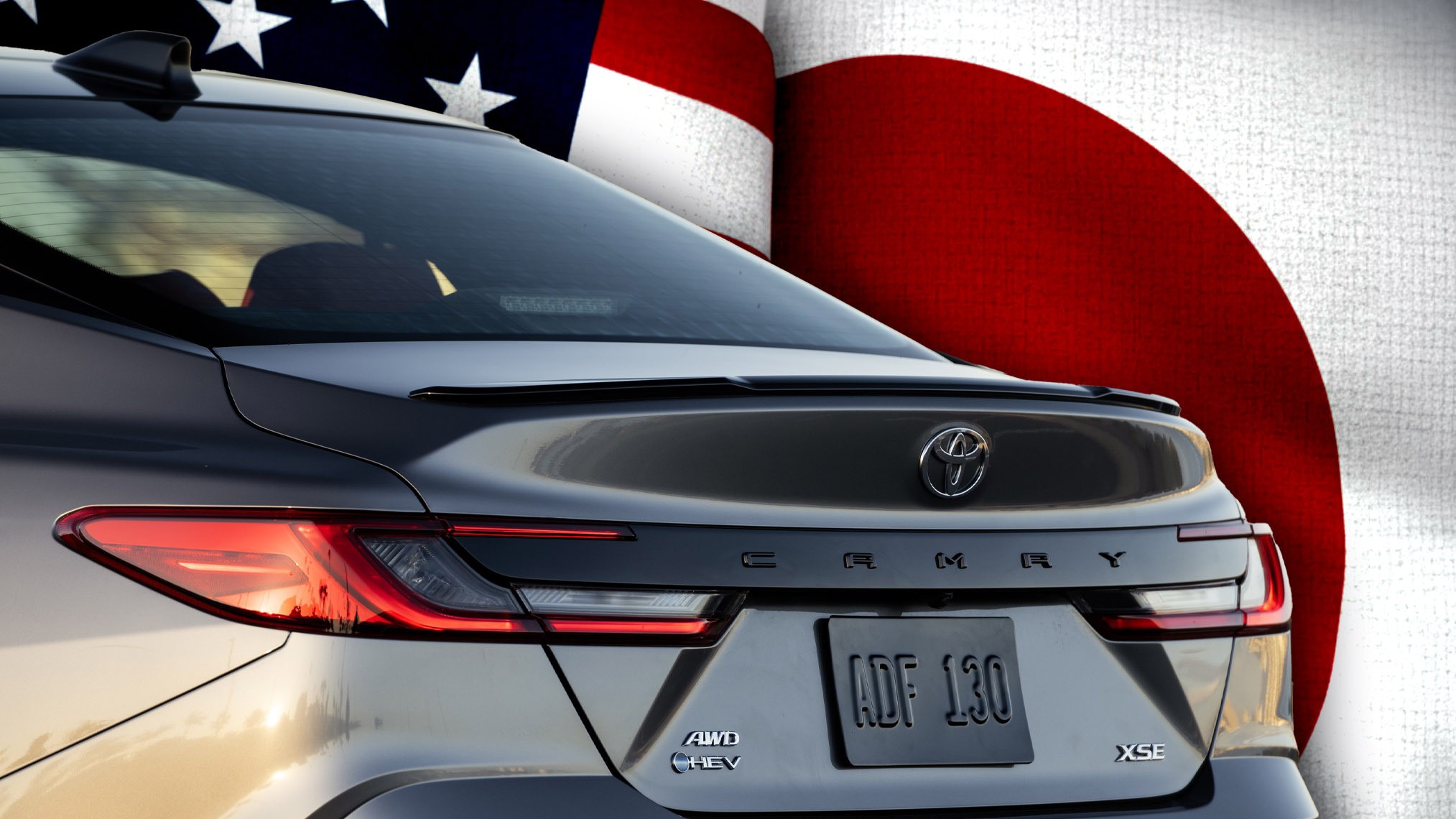
For years, American automakers faced significant hurdles in exporting vehicles to Japan due to strict and often redundant safety certification requirements. Now, a landmark agreement is set to change that, as Japan’s Ministry of Land, Infrastructure, Transport and Tourism has established a system to recognize US automotive standards. This means vehicles manufactured in the US and certified for safety there will be accepted for sale in Japan without additional testing.
The Deal’s Origins and Impact
The move fulfills a commitment made last fall, where the White House announced Japan would lift longstanding restrictions on US car and truck imports. This agreement represents a major win for American automakers, potentially unlocking billions of dollars in new market access. The previous system forced US companies to undergo costly and time-consuming re-testing to meet Japanese standards, even though US regulations are comparable.
The change is not merely symbolic. Toyota, a major Japanese automaker, has already announced plans to import three US-made vehicles: the Camry, Highlander, and Tundra. The Tundra pickup, in particular, is being positioned as an exotic and “very embodiment of American culture” to appeal to Japanese consumers.
Why This Matters
The shift highlights a broader trend toward reducing trade barriers, driven in part by political pressure. While the agreement includes reciprocal tariff relief for Japan, the primary effect will be to streamline exports for US automakers. This could lead to increased competition within the Japanese market and potentially lower prices for consumers.
The move also raises questions about future trade negotiations. If Japan can accept US safety standards, what other non-tariff barriers might fall next? The long-term implications extend beyond the automotive industry, potentially setting a precedent for other sectors.
Ultimately, the agreement represents a tangible step toward freer trade between the US and Japan. By eliminating redundant testing requirements, both countries stand to benefit from increased economic activity and improved market access.