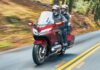
For riders seeking the classic cruiser experience—the style, the comfort, and the rumble of a V-twin—without the reliability concerns or high costs associated with some brands, the Kawasaki Vulcan 900 presents a compelling option. While Harley-Davidson remains iconic, the Vulcan 900 delivers a similar riding experience backed by Honda-like dependability.
The Cruiser Market and the Vulcan’s Role
The demand for cruisers has long been dominated by Harley-Davidson, prompting competitors to create their own versions of the quintessential American motorcycle. Kawasaki responded with the Vulcan series, and after two decades, the Vulcan 900 remains a standout choice. It offers a blend of comfort and reliability that many other cruisers struggle to match.
Price and Value
At just under $10,000, the Vulcan 900 is competitively priced within the mid-range cruiser segment. This makes it an attractive alternative to more expensive American V-twins while still providing long-term value. The motorcycle’s durability translates to lower ownership costs, especially for riders planning to keep their machine for years.
Engine Performance
The Vulcan 900 is powered by a 903cc, 55-degree V-twin engine. Despite its modest output of 51 horsepower and 58.3 lb-ft of torque, the engine delivers adequate performance for comfortable cruising. Modern features like liquid cooling, fuel injection, and a computer-controlled throttle valve enhance smoothness and reliability.
Chassis and Handling
The motorcycle features a traditional semi-double cradle frame with Showa front forks and a hidden-link rear suspension with adjustable preload. Braking is handled by discs at both ends, though ABS is not available. The Vulcan 900’s 16/15-spoke wheels, often fitted with whitewall tires, contribute to its classic cruiser aesthetic.
Dimensions and Ergonomics
The Vulcan 900 is nearly a full-size cruiser, measuring 97 inches in length with a 64.8-inch wheelbase. Weighing in at nearly 620 pounds wet, the low 26.8-inch seat height aids in manageability. A 5.3-gallon fuel tank provides a decent range for long rides.
Styling and Instrumentation
The Vulcan 900’s styling has remained consistent since its 2006 launch. The tank-mounted instrument cluster features an analog speedometer and fuel gauge, complemented by a small LCD displaying essential information. The design is functional but dated, leaving room for aftermarket customization.
Competition and Alternatives
The Kawasaki Vulcan 900 competes with several other cruisers in the $9,000–$10,000 price range. The Yamaha Bolt R-Spec offers a Sportster-inspired experience with proven reliability. The Suzuki Boulevard C50 provides a similar formula with a shaft final drive. The Honda Rebel 1100 stands out with modern features like a TFT display and an optional automatic gearbox.
However, the Harley-Davidson Nightster emerges as a superior option at the same price point. It boasts a liquid-cooled engine, modern handling, and advanced safety features like traction control and ABS, which the Vulcan 900 lacks. The Nightster’s engineering and reliability make it a stronger contender in the long run.
In conclusion, the Kawasaki Vulcan 900 remains a solid choice for riders prioritizing reliability and comfort at a reasonable price. Yet, the Harley-Davidson Nightster presents a more modern and feature-rich alternative that ultimately offers better value for those willing to spend slightly more.