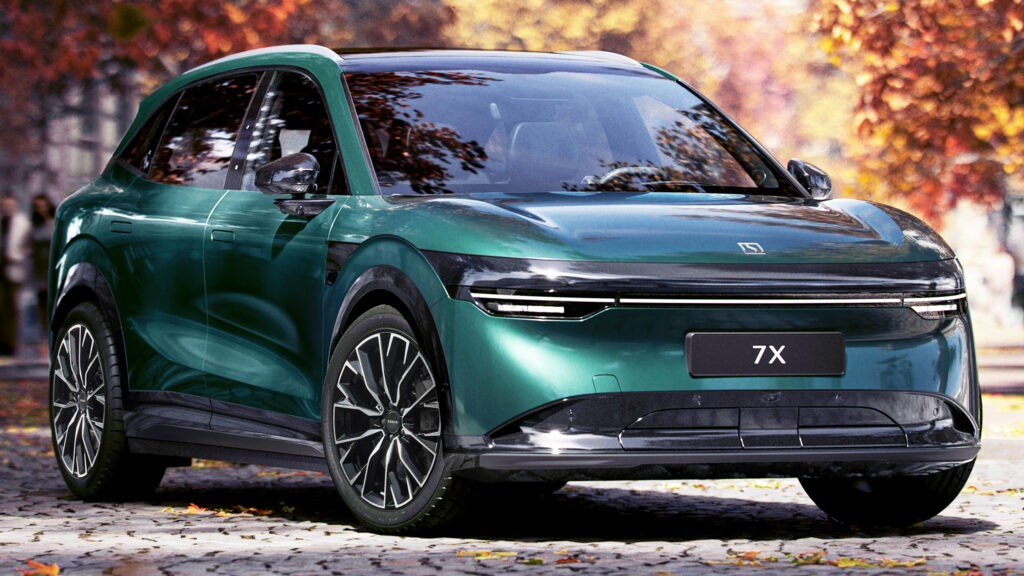
Canada’s new trade agreement with China, significantly reducing tariffs on Chinese electric vehicles (EVs), has ignited debate and drawn sharp reactions, including threats of retaliatory tariffs from the U.S. President Donald Trump. The deal, lowering tariffs from 100% to 6.1% on up to 49,000 EVs by 2030, is framed by Beijing as a mutual benefit, but raises questions about its impact on North American markets and labor.
Trade Deal Details and Concerns
The agreement allows a substantial influx of Chinese EVs into Canada at lower rates, with a stipulation that at least half must retail for $35,000 or less. While proponents argue this will lower costs for consumers, critics like Unifor union president Lana Payne express concerns about market share capture by Chinese automakers. Ontario Premier Doug Ford shares these worries, warning that Canada could be flooded with low-cost vehicles without reciprocal investment in the local economy.
China Signals Domestic Production
Despite concerns, Chinese Ambassador Wang Di has stated Beijing is encouraging Chinese automakers to invest directly in Canada and establish domestic production facilities.
“All these projects will be beneficial to the development of the Canadian EV industry…and will help Canadian consumers buy higher quality and more affordable cars.”
Wang emphasizes a reciprocal relationship, calling for a fair and predictable business environment for Chinese companies operating in Canada. This willingness to build in Canada is presented as a win-win scenario, fostering job growth and economic development.
A Response to U.S. Protectionism?
Ambassador Wang’s remarks also contain a clear jab at U.S. trade policies.
“Unlike some other countries, China will not only take into consideration its selfish interest…we don’t want ‘only we win and others lose.'”
This statement suggests that China’s approach to trade differs from what it perceives as the unilateral, self-serving policies of the U.S.
Potential Collaboration: The Magna International Model
Experts suggest leveraging existing partnerships to facilitate Chinese investment in Canadian EV production. Wenran Jiang, head of the Canada-China Energy and Environment Forum, points to Magna International’s recent collaboration with GAC (though currently based in Austria) as a potential model.
“If they can do that, we can do it certainly here in Ontario.”
Jiang believes such cooperation could ease tensions over China policy and unlock regional advantages.
Conclusion: China’s willingness to build EVs in Canada is not just an economic move but also a strategic response to shifting trade dynamics. This development will likely reshape the North American automotive landscape, testing the resilience of existing industrial policies and raising critical questions about economic sovereignty and international cooperation.