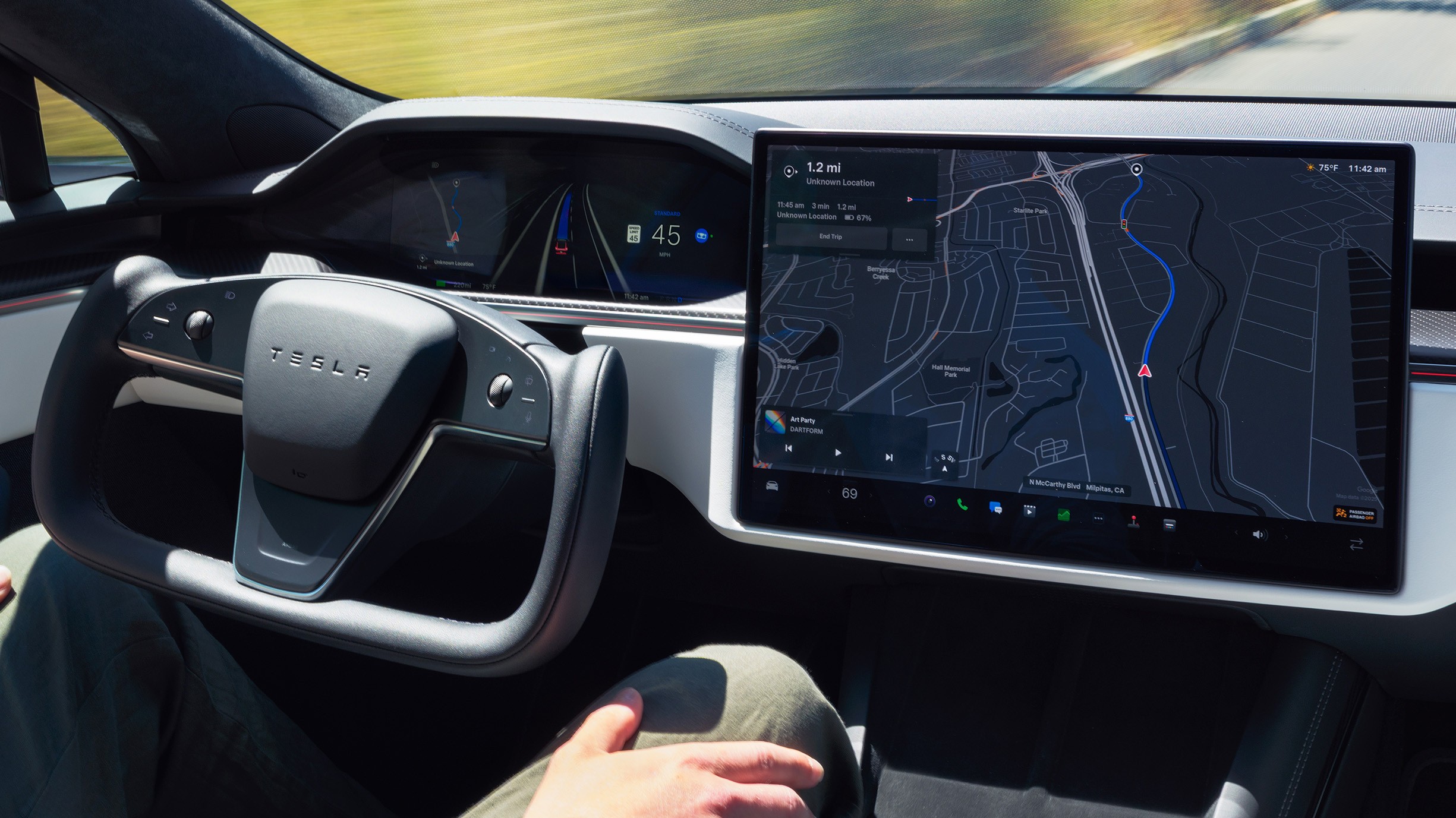
China’s government is enacting strict new regulations that will force automakers to include physical buttons and switches for essential vehicle functions, effectively reversing the industry’s trend toward minimalist, touchscreen-dominated interiors. The move signals a significant shift in automotive safety standards and directly challenges design philosophies championed by companies like Tesla and increasingly adopted by Chinese EV brands such as BYD and Xiaomi.
The Push for Tangible Controls
The Ministry of Industry and Information Technology (MIIT) is proposing that critical controls—including turn signals, hazard lights, gear selection, and emergency call functions—must be operated via dedicated physical buttons or switches. These controls must have a minimum surface area of 10mm x 10mm (0.4 x 0.4 inches), ensuring they are easily accessible without drivers taking their eyes off the road. This is a direct response to growing complaints about screen lag, complex menus, and difficult-to-read icons in modern car interfaces.
Beyond Buttons: A Broader Safety Crackdown
The new regulations aren’t limited to physical controls. China has recently banned concealed pop-out door handles after accidents where occupants were trapped inside electric vehicles, and has also moved to prohibit yoke-style steering wheels, citing incompatibility with standard safety testing and airbag deployment.
This aggressive stance underscores a wider safety-focused campaign, not just about aesthetics or convenience. The goal is to reduce driver distraction and improve reaction times in critical situations.
Autonomy Under Scrutiny
The rules extend to advanced driver-assistance systems (ADAS). Level 3 and Level 4 autonomous features will now face rigorous testing to prove they are as safe as a human driver in real-world conditions. Automakers will be required to submit comprehensive safety reports, demonstrating their systems can handle everyday traffic and high-risk scenarios.
If the tech fails or the driver doesn’t respond to a takeover request, the vehicle must automatically enter a “Minimal Risk Condition”—meaning it must safely stop.
“This isn’t just about buttons; it’s about recognizing that over-reliance on touchscreens can compromise safety,” said a source familiar with the MIIT’s decision-making process.
This decision will force manufacturers to reassess their interior designs and prioritize functionality over minimalist aesthetics. The move will likely resonate globally, as other nations grapple with the same safety concerns in an increasingly touchscreen-dependent automotive landscape.
Ultimately, China’s regulations are a clear message: safety takes precedence over design trends.