20 October 1974. Not 1976. A minor date error in the prompt, but let’s stick to the spirit of the bet. Aston Martin wagered its existence on something radical. It risked falling back into the mire. The mud from which it had barely just pulled itself free.
This was the Lagonda. A saloon that looked like nothing else. It took its first real public bow at the British Motor Show in London. Fifty years ago. Or so we are told. The company had been plucked from receivershhip less than two years prior. Barely breathing.
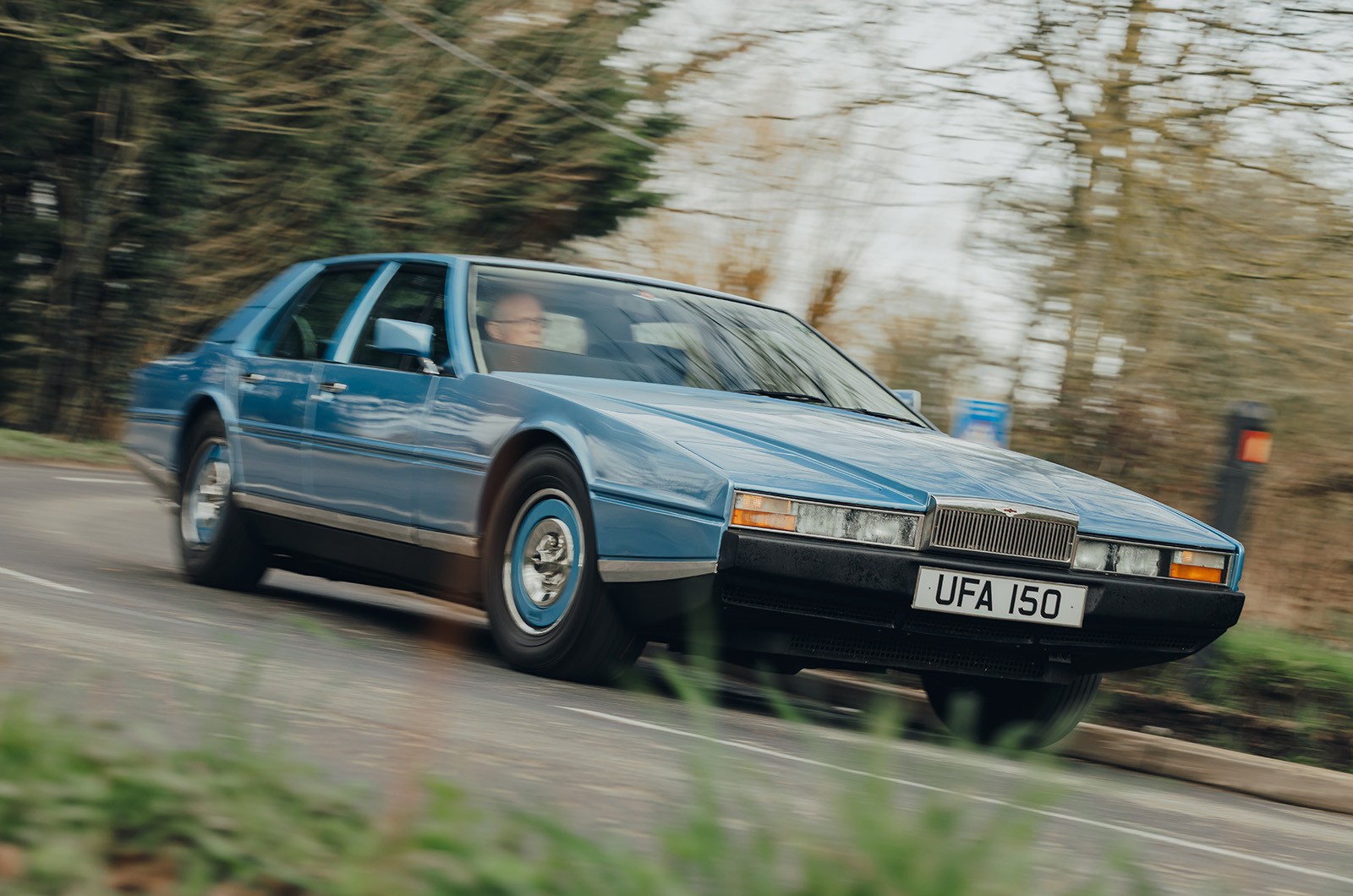
The car was strange. Strikingly low. Indulgently long. Wide in a way that demanded space. The profile? A razor-sharp wedge. It didn’t whisper. It announced. Technology bristled off the body. Daring stuff. Things never before seen in this world of metal and rubber.
Did anyone see this coming?
The Lagonda was a gamble wrapped in steel and glass. An oddball luxury transport that somehow fits today. Then, it felt like madness. A desperate grasp for relevance.
The Wedge That Broke Molds
Most cars rounded corners. This one cut them. The design language was aggressive. Almost hostile. It stood out in a lineup of traditional sedans.
Aston Martin didn’t ask permission. They built a limo for the future. A future that looked like a blade.
A bet on survival often looks like arrogance from the outside.
The technology wasn’t subtle. It bristled. You couldn’t ignore the innovation. The sheer scale of the vehicle told a story of ambition. Long. Wide. Low. It was indulgent in its physical footprint.
No smooth transitions here. Just sharp edges and bold claims. A company trying to shake off its bankruptcy label with sheer visual impact. It worked, sort of. Or maybe it didn’t. That’s history.
Revisiting the Risk
Was it madness? Perhaps. But looking back, the oddness makes sense. The limo sector hasn’t changed as much as you think.
We still want big cars. We still want tech that scares us slightly. The Lagonda was ahead of the curve. Or maybe just off of it.
Fifty years later, the dust has settled. The wedge remains sharp in our memory. Aston