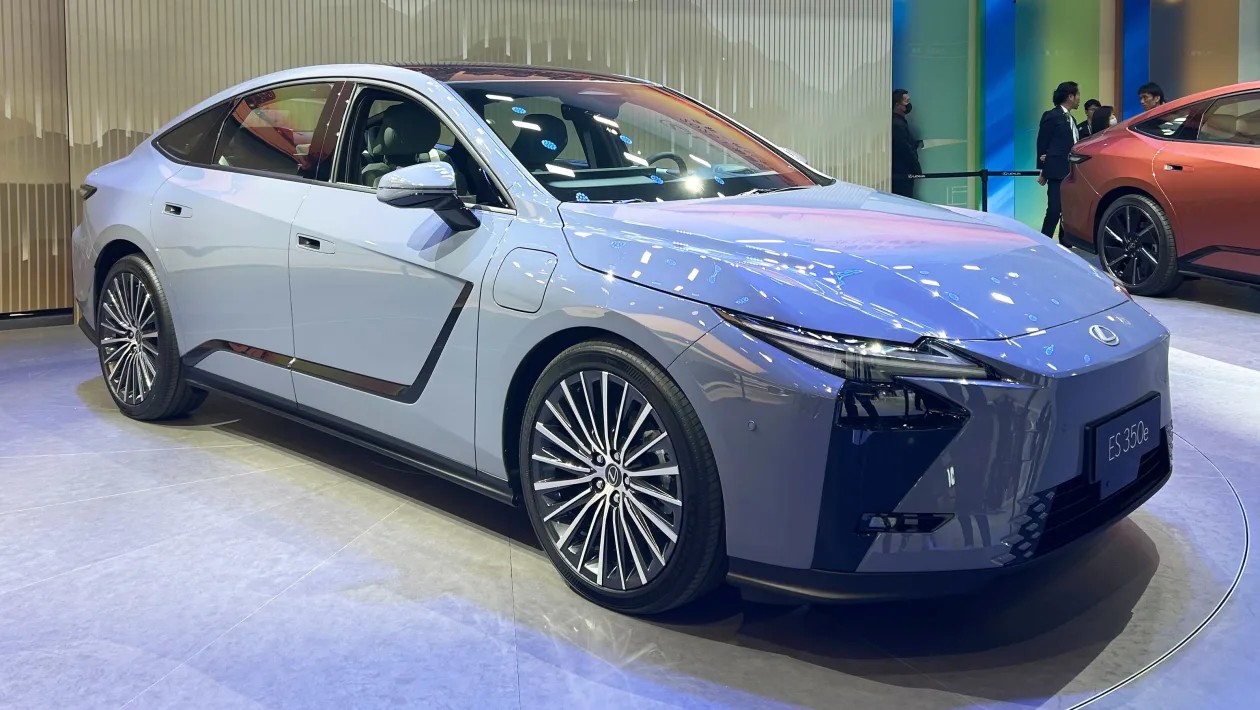
Lexus is officially entering the premium electric saloon fray in the UK. Starting 1 May, the all-electric Lexus ES will arrive on British shores, positioning itself as a direct challenger to established German heavyweights like the BMW i5 and the Audi A6 e-tron Sportback.
This move signals a significant shift for Lexus, a brand traditionally synonymous with seamless hybrid technology, as it pivots toward full electrification to compete in an increasingly decarbonized luxury segment.
Pricing and Model Lineup
The Lexus ES will be available in three distinct trim levels, catering to different luxury preferences and budgets:
- Premium: From £59,345
- Premium Plus: From £68,245
- Takumi: From £72,545
Notably, while Lexus continues to offer petrol-electric hybrids in other parts of Europe, the ES 300h hybrid will not be available in the UK. Instead, the UK lineup focuses exclusively on pure electric powertrains. However, industry insiders suggest a high-performance 300bhp plug-in hybrid (PHEV) could be introduced during a future mid-life facelift if market demand dictates.
Performance and Battery Specifications
The electric ES range is split into two distinct configurations:
The ES 350e (Single-Motor)
Designed for efficiency and daily commuting, the base model features:
* Power: 221bhp single e-motor.
* Drive: Front-wheel drive.
* Battery: 77kWh capacity.
* Range: An estimated 329 miles (WLTP cycle).
* Acceleration: 0–62mph in 8.2 seconds.
The ES 500e (Dual-Motor)
The flagship model focuses on performance and grip:
* Power: 338bhp dual e-motor setup.
* Drive: DIRECT4 all-wheel drive system.
* Acceleration: 0–62mph in 5.7 seconds.
* Battery: 75kWh capacity (exact range TBC).
Charging Capabilities: Both models support a maximum charging rate of 150kW, allowing for a 10% to 80% charge in approximately 30 minutes.
Engineering and Interior Luxury
Built on the TNGA-K architecture (shared with the global Toyota Camry), the ES utilizes a sophisticated multi-link rear suspension and variable-ratio steering to balance high-speed stability with urban agility.
Inside, Lexus emphasizes passenger comfort and high-end technology:
* Rear Comfort: Options include reclining rear seats with ottoman-style leg support.
* Digital Cockpit: A 12.3-inch digital instrument panel paired with a massive 14-inch infotainment screen.
* Connectivity: The LexusConnect system provides real-time navigation data, including charging station locations and low-emission zone alerts.
* Audio: For the first time, Lexus offers a premium 17-speaker Mark Levinson surround-sound system.
Advanced Safety Systems
Lexus has heavily invested in driver-assistance technology, moving beyond standard lane-keeping to more proactive safety measures:
* Intelligent Cruise Control: Uses map data to adjust speed automatically for upcoming corners.
* Enhanced Detection: The pre-collision system can now recognize electric scooters, while the blind-spot monitor is calibrated to detect bicycles and motorcycles.
* Driver Monitoring: New sensors can detect driver fatigue (such as yawning) or distracted driving (phone use). If a driver becomes unresponsive, the car can autonomously bring itself to a halt and contact emergency services.
Market Context: By launching with a focus on high-tech safety and long-range electric capability, Lexus is attempting to bridge the gap between traditional luxury comfort and the rapid technological demands of the EV era.
Conclusion
The arrival of the Lexus ES marks a bold step in the brand’s electric evolution, offering a highly tech-focused alternative to German rivals. With a range of configurations and a heavy emphasis on safety and passenger comfort, it aims to capture a segment of the market looking for electrified luxury without sacrificing refinement.