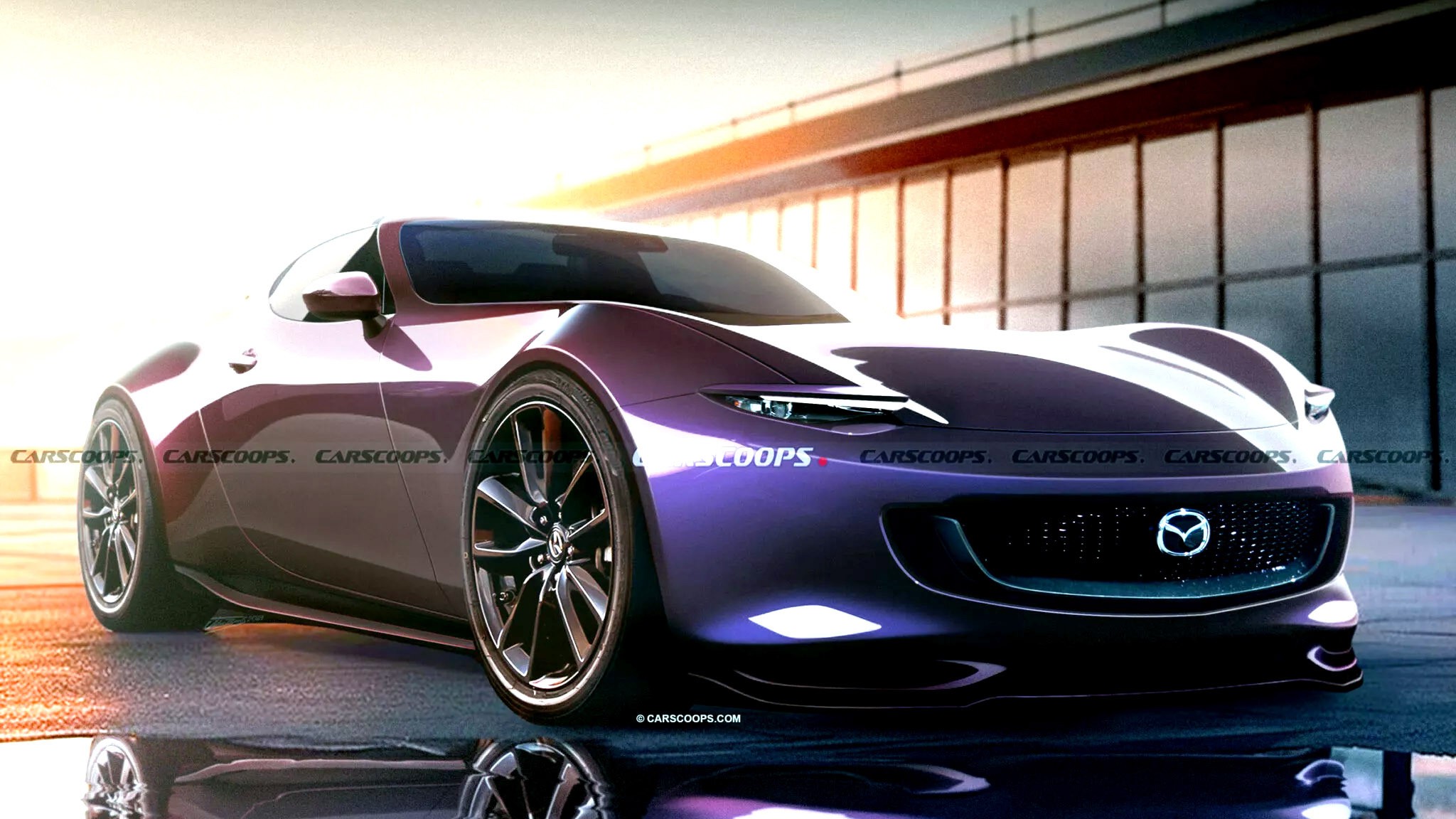
Mazda is planning for the next generation of its iconic MX-5 roadster (internally known as the NE), but it won’t be a radical electric shift. Development is underway, with prototypes already built, though the final powertrain remains undecided. The core principles of the MX-5 – driving fun, lightweight construction, and affordability – will remain unchanged, regardless of how Mazda evolves its technology.
Electrification is Inevitable, But Gradual
Mazda’s design and engineering leaders confirm that the next MX-5 will incorporate some form of electric power assistance. A mild-hybrid system is the minimum consideration, but the company is also exploring deeper electrification options, including plug-in hybrids or even range-extender setups. The goal isn’t to eliminate the engine entirely, but to enhance efficiency and reduce emissions while preserving the roadster’s unique character.
The design team envisions a future MX-5 that can offer a silent, serene driving experience with the top down, something a traditional hybrid alone won’t deliver. This points towards a more substantial electric component.
Synthetic Fuels as a Bridge to the Future
European R&D boss Christian Schultze suggests synthetic fuels as a pragmatic solution to reducing emissions without overhauling the MX-5’s fundamental design. Using synthetic fuels would allow Mazda to continue utilizing the combustion engine while meeting tightening regulations, maintaining the car’s lightweight nature and balanced handling.
Schultze emphasizes that the MX-5 is built around “mechanical purity,” making synthetic fuels a logical route. This approach avoids the weight penalty associated with full electrification, which could fundamentally change the car’s architecture.
Engineering Challenges of Full Electrification
A fully electric MX-5 presents significant engineering hurdles. Batteries would add substantial weight, forcing Mazda to redesign the car’s structure and potentially compromise its handling characteristics. The company is wary of making such drastic changes, preferring a more evolutionary approach.
An alternative under consideration is a larger 2.5-liter gasoline engine, but Schultze cautions that increased weight could negatively impact balance and steering response. Mazda prioritizes lightweight construction, making a larger engine a questionable trade-off.
The ND MX-5 Remains Relevant
Despite the ongoing NE development, the current ND MX-5 will remain in production for the foreseeable future. Mazda is focused on refining and improving the existing model while carefully evaluating future options.
The company is preparing for tightening emissions regulations but doesn’t feel pressured to rush into a full electric transition. The priority is to find a technically sound solution that balances performance, weight, and regulatory compliance, allowing current engines to remain viable for as long as possible.
In conclusion, Mazda is committed to preserving the MX-5’s core identity while embracing necessary technological advancements. The next generation will not be fully electric, but will incorporate some level of electrification to meet future emissions standards. The company will explore synthetic fuels and carefully weigh the benefits of larger engines against the importance of lightweight construction, ensuring the MX-5 remains a driver-focused roadster for years to come.