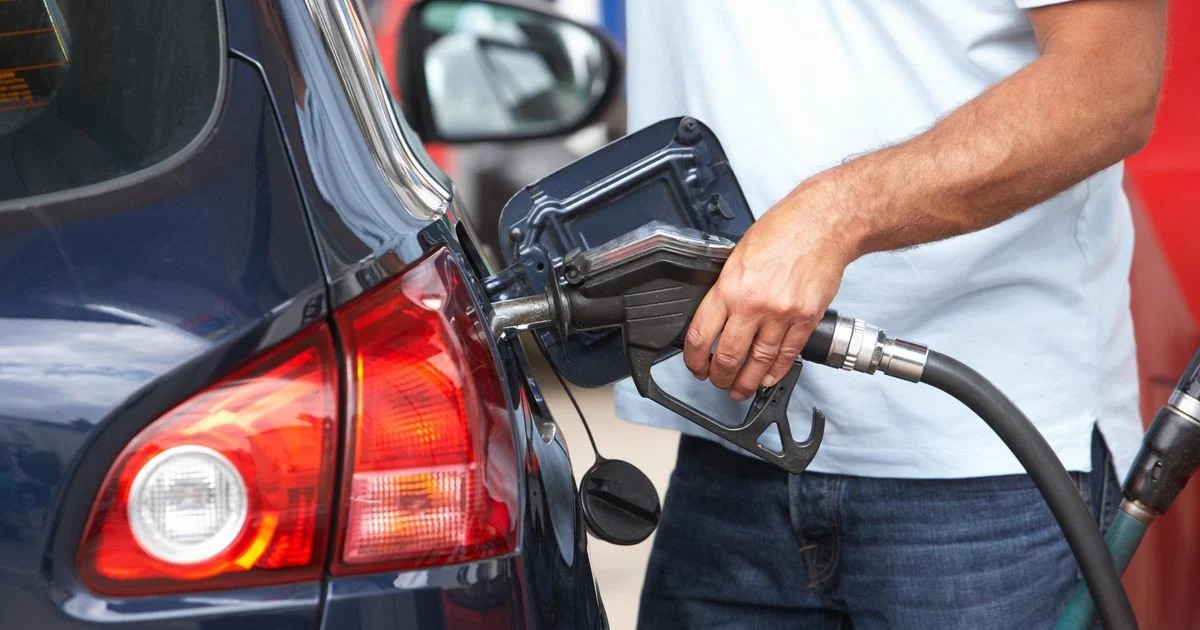
Prime Minister Anthony Albanese has appealed to Australians to avoid panic buying fuel, emphasizing that excessive demand exacerbates potential shortages stemming from escalating geopolitical tensions in the Middle East. His message, delivered in Burnie, Tasmania, underscored the need for collective responsibility: “Think of others… Be a good neighbour, a good community member, and a good Australian.” The PM’s remarks followed reports of doubled fuel demand in some areas, despite assurances that supply chains remain stable.
Fuel Security and Retailer Practices
The government acknowledges the potential for disruption but maintains that fuel is arriving as scheduled, including critical diesel supplies from South Korea. Australia currently holds approximately 29 days of petrol and 26 days of diesel reserves (as of March 14, 2026), bolstered by the largest fuel stockpiles in 15 years. However, the Australian Competition and Consumer Commission (ACCC) has already warned that retailers have begun raising prices prematurely, prompting the PM to promise swift action against profiteering.
The ACCC is preparing to double maximum penalties for anti-competitive behavior to $100 million, signaling a firm stance against price gouging. This comes as anecdotal reports surface of service stations running out of diesel due to localized panic buying.
Government Measures to Stabilize Supply
To address immediate concerns, the government has released 760 million liters from the national stockpile, prioritizing delivery to regional areas. It has also temporarily rolled back recent fuel quality standards, allowing for the introduction of approximately 100 million liters per month of higher-sulfur fuel previously slated for export.
The rollback is intended to increase domestic supply in the short term, even if it means temporarily lowering environmental standards. The government’s actions reflect a pragmatic approach to ensuring fuel availability amidst global uncertainty.
What This Means
The PM’s call for calm and the government’s proactive measures are direct responses to heightened volatility in global energy markets. While Australia possesses strategic reserves and established supply lines, consumer behavior is now a key factor in maintaining stability. The situation underscores how easily localized fears can amplify into broader disruptions, even when the underlying infrastructure remains secure. The government’s move to temporarily allow higher sulfur levels highlights the trade-offs between economic expediency and environmental policy.