Polestar is gearing up for its most ambitious model rollout yet, but the highly anticipated Polestar 6 roadster has been pushed back to at least 2028. The Swedish electric vehicle (EV) manufacturer outlined its plans for the coming years, revealing a series of launches designed to broaden its customer base and solidify its position in the rapidly evolving automotive market.
Strong Sales Momentum
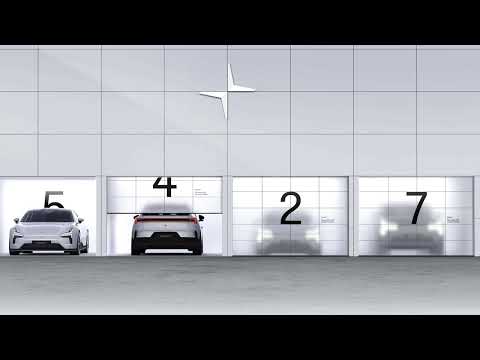
Polestar reported robust sales growth in 2025, with retail figures surging 34% to 60,119 vehicles. This success provides a solid foundation for the aggressive expansion strategy now underway. Deliveries of the Polestar 5, a high-performance grand tourer, are slated to begin this summer.
New Models on the Horizon
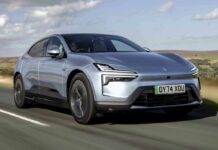
The immediate focus is on expanding the Polestar 4 lineup later this year with a new version designed for broader appeal. The company describes it as combining “the space of an estate and the versatility of an SUV,” suggesting a lifted wagon variant.
The next-generation Polestar 2 is confirmed for early 2027, while the compact Polestar 7 crossover will follow in 2028. These models represent core growth areas for the brand, prioritizing volume and market penetration.
The Delayed Polestar 6
The Polestar 6, originally unveiled as the O2 concept in 2022, has been indefinitely delayed. Initially slated for a 2026 launch, company officials now cite the need to prioritize core model development. As Theo Kjellberg, Head of Corporate Communications, explained, the focus remains on getting the Polestar 4 variant, Polestar 2 successor, and Polestar 7 to market before shifting resources to the roadster.
The Polestar 6 was projected to be the brand’s most expensive offering, with a potential $200,000 price tag, positioning it as a luxury halo product. While production was initially limited to 500 units, Polestar indicated a willingness to increase output if demand warranted.
Why the Delay Matters
The postponement of the Polestar 6 highlights the challenges faced by emerging EV brands in balancing ambitious long-term goals with immediate market realities.
Halo cars are critical for brand building, but they are often low-volume, high-cost projects that require significant investment. Prioritizing core models ensures financial stability and sustainable growth.
The delay also echoes similar setbacks seen with other high-profile EV projects, such as the Tesla Roadster, which has faced repeated postponements.
Despite the setback, Polestar remains committed to its long-term vision. The company’s aggressive expansion plans suggest confidence in its ability to compete in the increasingly crowded EV landscape.
Polestar’s strategy is straightforward: secure a strong market position with practical, high-demand vehicles before revisiting aspirational projects like the Polestar 6. This approach reflects a pragmatic assessment of current market conditions and financial priorities.