Porsche is navigating a difficult period of transition that is reflected in its latest financial performance. Following a staggering 93% drop in operating profit for 2025, the automaker has reported a 15% decline in first-quarter sales, with total deliveries falling to 60,991 units compared to 71,470 during the same period last year.
While the company attributes this downturn to natural product cycles—specifically the phase-out of the 718 model and the stabilization of Macan Electric interest—the underlying data reveals a more complex structural challenge.
The Macan Dilemma: A Volume Void in the Making
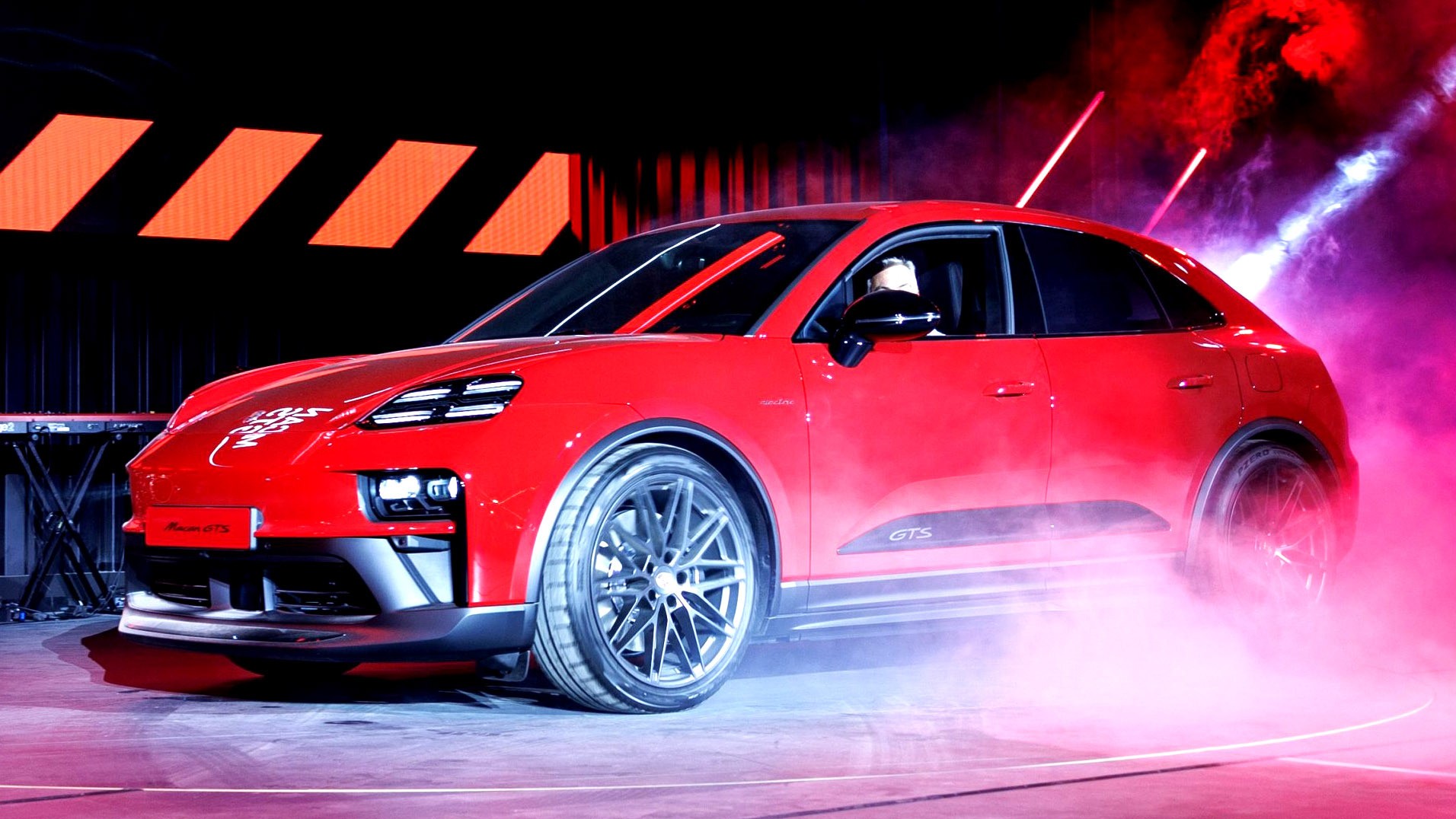
The most significant concern lies in the performance of the Macan, historically Porsche’s volume leader. While total Macan deliveries fell 23% to 18,209 units, the breakdown of these sales reveals a risky imbalance:
- Internal Combustion Engine (ICE) Macan: 10,130 units (over 50% of Macan sales).
- Macan Electric: 8,079 units (a 43% drop compared to last year).
Why this matters: Porsche is currently in a “transition gap.” The highly successful gasoline-powered Macan is scheduled for discontinuation this summer, yet the electric version is struggling to capture the same market momentum. With no direct replacement for the combustion model arriving for several years, Porsche risks losing the very model that provides the high-volume sales necessary to support its premium operations.
Winners and Losers Across the Lineup
Despite the overall decline, Porsche’s portfolio shows a stark divide between legacy prestige and new-age electrification.
The Resilient Icons
- The 911: Defying the broader market trend, sales of the iconic 911 jumped 22% to 13,889 units. This suggests that high-end enthusiasts remain insulated from broader economic shifts, favoring heritage and proven performance.
- The Cayenne: Now the brand’s top seller by volume, the Cayenne remained stable with 19,183 deliveries, seeing only a slight 4% dip.
The Struggling Segments
- Panamera: Sales plunged 42% to 4,498 units, a decline Porsche attributes to a model transition, particularly affecting performance in China.
- Taycan: The electric flagship saw a 19% drop to 3,420 units, reflecting a broader cooling in the global EV market.
- 718: As the model nears retirement, sales collapsed by 60% to just 1,792 units.
Regional Headwinds and the China Challenge
The sales slump is not confined to a single geography, but the pressure in China is particularly acute.
- North America: Remains the largest market (18,344 units) but saw an 11% decline, likely due to shifting incentives and tariff pressures.
- Europe (excl. Germany): Deliveries fell 18% to 14,710 units.
- China: Deliveries dropped 21% to 7,519 units.
The situation in China highlights a growing trend: domestic premium brands are aggressively capturing market share from traditional European luxury makers. While Porsche has stated it will prioritize “value over volume” in the region, this strategy often follows a period of losing market dominance to local competitors.
The convergence of a cooling EV market, intense competition in China, and the imminent removal of a primary volume driver creates a significant strategic hurdle for Porsche in the coming quarters.
Conclusion
Porsche is currently caught between two eras: the sunset of its reliable internal combustion engines and the unproven momentum of its electric lineup. The brand’s ability to bridge this gap without losing its core customer base will determine its stability in the near term.