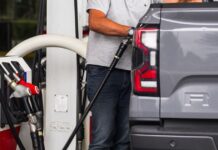
Owners of 146 electric Ford F-150 Lightnings in Australia are facing a difficult dilemma: they must choose between risking physical injury or paying out-of-pocket to fix a critical safety defect.
The crisis follows the collapse of AUSEV, a Brisbane-based conversion firm that specialized in transforming American electric pickups into right-hand drive vehicles for the Australian market. After the company’s parent firm, BossCap, entered receivership, owners were left without a manufacturer to handle a major safety recall.
The Safety Risk: Overheating Charge Ports
A nationwide product safety recall was issued in late March after it was discovered that the vehicles’ Combined Charging System (CCS2) charge ports are prone to high electrical resistance during DC fast charging.
This resistance causes the internal charging pins to overheat, creating a significant danger:
– Burn Hazard: Users making direct contact with the pins immediately after a charging session risk serious burns or injury.
– Charging Limitations: To avoid this risk, owners have been advised to use only AC (Alternating Current) charging.
– The Convenience Gap: While AC charging is safe, it is significantly slower; a full charge via a standard household outlet can take up to four days.
A Lifeline with a Price Tag
With AUSEV defunct and its parent company unable to perform warranty repairs, a solution has emerged through Performax International, a fellow Queensland-based truck converter.
While Performax has stepped in to rectify the defect in the interest of public safety, there is a significant caveat for owners: the repairs will not be free. Because Performax did not design or supply the original vehicles, they are charging customers for the service.
Why This Happened: A Shift in Global Strategy
The collapse of AUSEV appears to be a direct consequence of broader shifts in the automotive industry.
According to statements from the receivers, the company’s business model was crippled when Ford discontinued production of the F-150 Lightning in the US. Ford has reportedly pivoted its strategy toward Extended-Range Electric Vehicles (EREVs) —models that use a petrol generator to charge the battery—rather than pure battery-electric models for this segment.
This highlights a growing volatility in the EV market:
1. Supply Chain Fragility: Small conversion firms rely heavily on the continuous production of specific models from global manufacturers.
2. Strategic Pivots: When major automakers like Ford change their technology roadmap, specialized local importers can be left with stranded assets and unfulfilled promises.
Note for owners: These AUSEV vehicles are independent conversions and are not backed by Ford Australia’s official five-year factory warranty.
Summary of Current Status
| Feature | Details |
|---|---|
| Affected Vehicles | 146 Ford F-150 Lightning (AUSEV conversions) |
| Primary Risk | Physical burns from overheated DC charging pins |
| Current Workaround | Use AC charging only (can take up to 4 days) |
| Repair Provider | Performax International (Gympie, QLD) |
| Repair Cost | Not covered by warranty; owners must pay |
Conclusion: While a repair path now exists through Performax, the collapse of AUSEV leaves owners in a precarious position, forced to fund safety repairs for a defect that emerged due to the manufacturer’s insolvency.