China’s luxury automaker, Hongqi, is preparing a major push into Europe, aiming to launch 15 electric and hybrid models across 25 markets by 2028. This aggressive expansion signals a new phase in China’s automotive ambitions, but faces significant hurdles.
Navigating Trade Barriers and Local Production
The EU’s high tariffs on Chinese EVs present a key challenge for Hongqi. To mitigate these costs, the company is actively exploring establishing local manufacturing facilities in Southern, Eastern, and Nordic Europe.
Building cars within the EU would sidestep tariff impacts and streamline logistics, crucial for a new brand establishing itself in a competitive market.
Current Footprint and Key Models
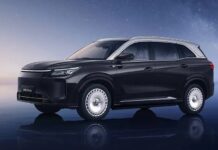
Currently, Hongqi has sold a modest 771 vehicles in Europe as of October, a small base compared to its dominant position in China. The EHS5, a mid-size electric SUV unveiled at the Munich Motor Show, is poised to become a flagship model.
The EHS5 boasts an 85 kWh battery with a 342-mile range, available in rear-wheel-drive (339 hp) and all-wheel-drive (610 hp) configurations. While the EHS7 has been Hongqi’s best seller, the EHS5 could soon take its place.
Pricing as a Strategic Weapon
Pricing will be crucial. Chinese brands like MG, Chery, and BYD have gained traction in Europe by offering lower prices. Hongqi aims to compete on value as well, leveraging its state-owned backing for technological advantages.
According to FAW’s design chief, Giles Taylor, Hongqi’s government connections provide access to technology at extremely competitive prices. This allows the brand to undercut competitors, potentially disrupting the European market.
The analogy of selling high-priced coffee next to a cheaper alternative highlights Hongqi’s strategy: offering a compelling value proposition in a crowded segment.
Hongqi’s move into Europe is more than just an expansion; it’s a test of how quickly established automakers can adapt to new, agile competitors with government backing and aggressive pricing strategies.