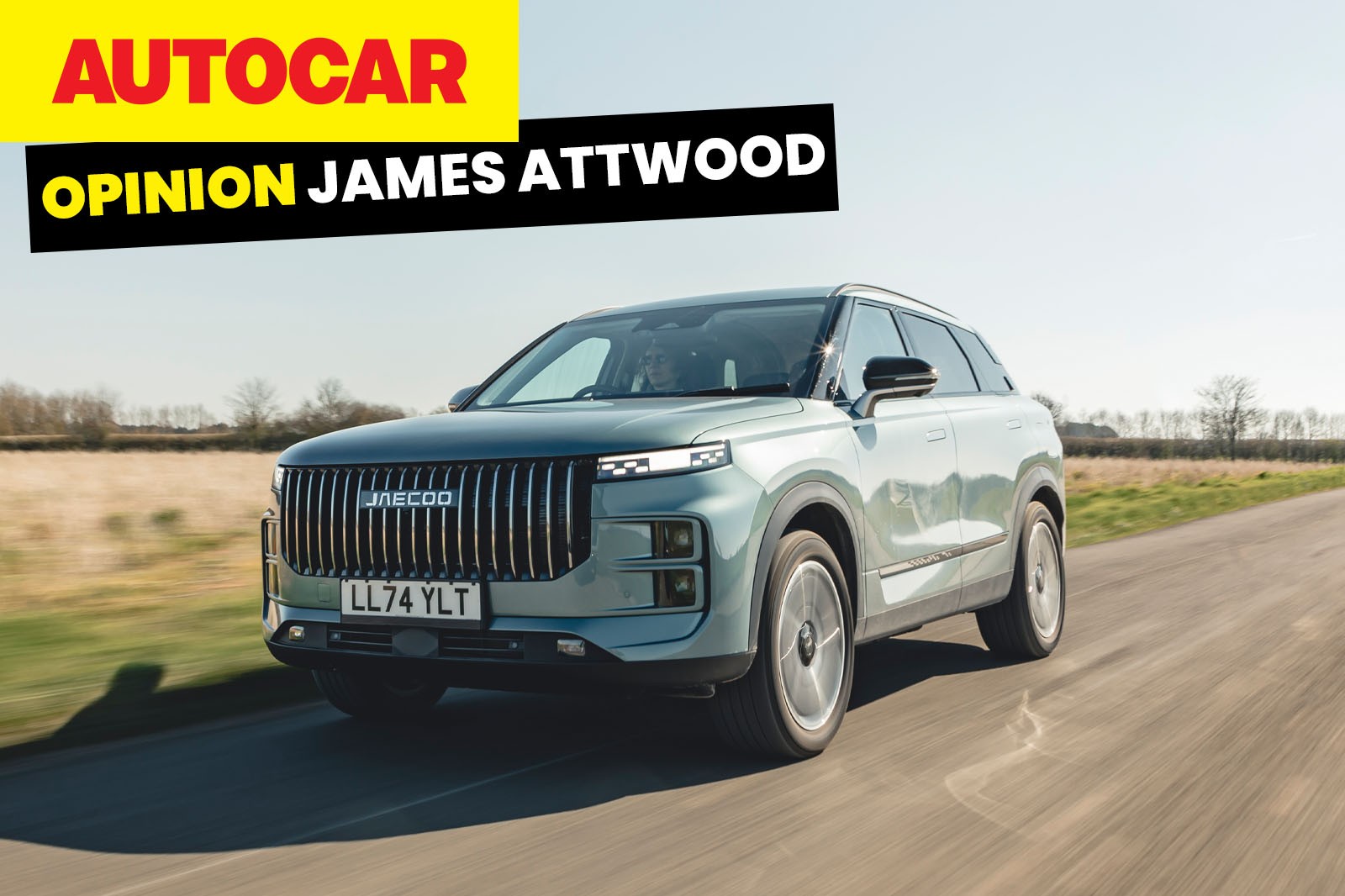
The UK automotive landscape is undergoing a rapid transformation. In March, the Jaecoo 7 —a Chinese-manufactured SUV—achieved a significant milestone by becoming the UK’s best-selling car. While the model has maintained a consistent presence in the top ten sales charts over the past year, its ascent to the number one spot signals a deeper shift in consumer behavior and market dynamics.
A Disconnect Between Reviews and Sales
There is a striking contradiction between professional automotive criticism and consumer demand. Expert road tests have been far from glowing; reviewers have described the Jaecoo 7 as “entirely flavourless” to drive, noting issues with calibration and a lack of driving character. In many ways, it fits the profile of a “competent but uninspired” budget vehicle.
However, the market has responded with overwhelming enthusiasm. This disconnect suggests that for a growing segment of drivers, driving dynamics are being deprioritized in favor of value and perceived status.
The ‘Temu Range Rover’ Phenomenon
The secret to the Jaecoo 7’s success lies in its aesthetic and its price point. On social media and in consumer circles, the vehicle has earned the nickname the “Temu Range Rover.”
This moniker highlights the car’s primary selling point:
– Premium Aesthetics: It mimics the visual language of high-end, £70,000 luxury SUVs.
– Aggressive Pricing: It offers much of that same “premium” feel and high-tech equipment at roughly half the cost.
– The Bargain Factor: Much like the historical relationship between Volkswagen and Skoda, there is a psychological appeal in “snagging a bargain”—the idea that one can enjoy luxury features without the burden of paying for a prestigious badge.
The Broader Shift: Chinese Brands are Here to Stay
The success of the Jaecoo 7 is not an isolated incident; it is part of a larger wave of Chinese automotive expansion in the UK. The data indicates that these brands are no longer just “entering” the market—they have established a foothold.
- Market Presence: Brands like MG (holding a 3.88% market share in early 2026) and BYD are seeing significant traction.
- Brand Expansion: Jaecoo is looking to build a full lineup, with the smaller Jaecoo 5 and the larger Jaecoo 8 slated for release. The challenge for the manufacturer will be whether early adopters of the 7 will remain loyal to the brand as it expands.
A Warning to European Manufacturers
The rapid rise of Jaecoo poses a strategic challenge to traditional European automakers. Many established manufacturers are currently leaning into their heritage, betting that consumer loyalty to well-known badges and long-standing reputations will protect their market share.
The sales of the Jaecoo 7 suggest this may be a miscalculation. The data indicates that modern consumers are increasingly pragmatic. If a newcomer can offer a similar visual experience and high-tech features for a significantly lower price, brand loyalty may not be enough to prevent a loss of market share.
The success of the Jaecoo 7 proves that in the current economic climate, perceived value and “bargain” luxury are outweighing traditional brand prestige and driving refinement.
Conclusion
The Jaecoo 7’s dominance marks a turning point where value-driven Chinese imports are successfully challenging established European icons. This shift suggests that the UK car market is moving toward a future where “the deal” matters more than the badge.