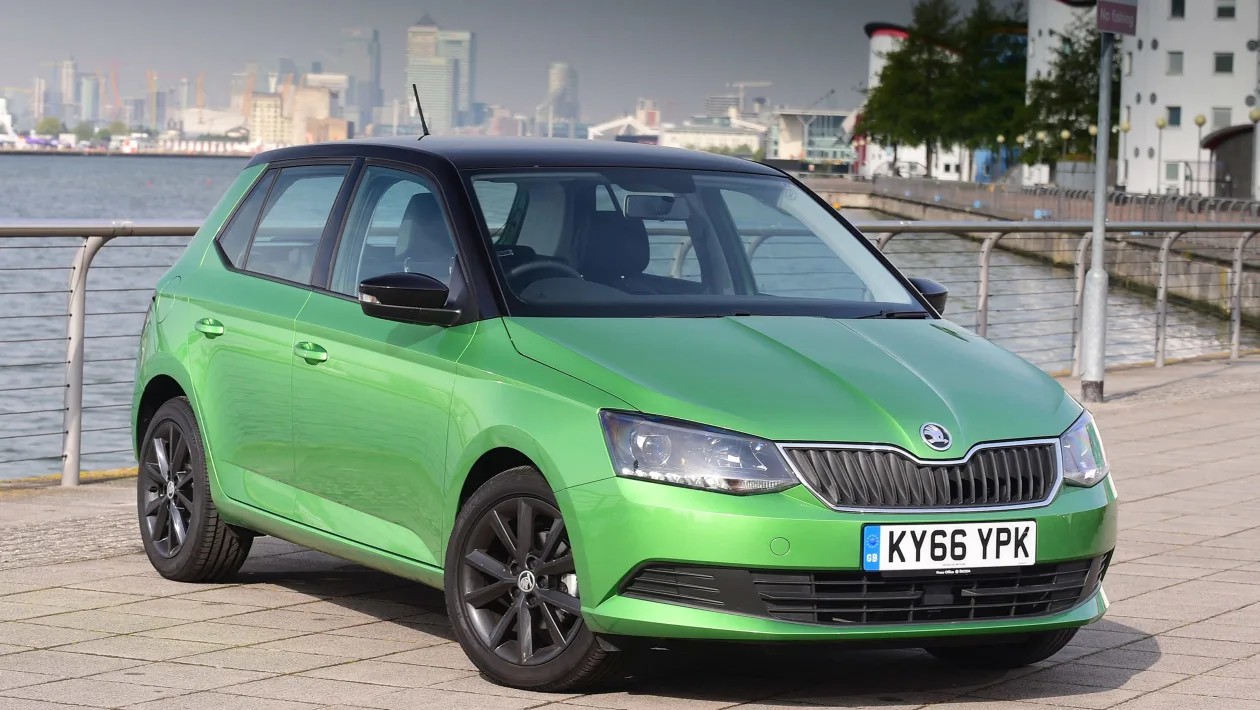
The Skoda Fabia Mk3 (2015-2021) stands out in the crowded supermini segment as a well-rounded, practical, and affordable choice. While it may not be the most exciting car on the road, its reliability, value, and user-friendly features make it a compelling option for buyers prioritizing painless ownership and low running costs. Skoda’s reputation for solid engineering, bolstered by its integration into the Volkswagen Group, ensures the Fabia delivers on these fronts.
History and Evolution
Skoda’s journey from a bicycle manufacturer in 1895 to a respected automotive brand is marked by resilience and adaptation. After decades of producing tough but unremarkable cars, the brand found its footing within the Volkswagen empire in 1991, gaining access to advanced engineering and shared components. The third-generation Fabia, launched in 2015, represents a turning point: it leverages VW Group technology while maintaining Skoda’s core value proposition.
The Fabia Mk3 initially offered a range of engines, including 1.0 MPI non-turbo, 1.2 TSI turbocharged petrol, and 1.4 TDI diesel options. In 2018, a facelift streamlined the lineup to focus solely on 1.0 TSI petrol engines, ensuring compliance with stricter emissions standards. Trim levels evolved over time, with the addition of sporty Monte Carlo editions alongside standard S, SE, and SE L variants.
Which Fabia to Buy?
For most buyers, the turbocharged (TSI) engines are the clear choice. The base 1.0 MPI lacks the punch needed for comfortable daily driving. The 1.2 TSI (pre-2018) and 1.0 TSI (post-2018) both offer respectable performance, with the latter being the more modern and efficient option. The DSG automatic transmission is a smooth and convenient upgrade, but the manual gearbox remains a reliable and engaging choice.
Stepping up from the entry-level S trim is highly recommended. The SE trim adds essential features like air conditioning, alloy wheels, and Apple CarPlay/Android Auto compatibility. The SE L trim further enhances comfort with climate control, cruise control, and keyless entry.
Alternatives to Consider
The Fabia competes directly with other superminis from the VW Group, including the SEAT Ibiza and Volkswagen Polo. The Ibiza offers sharper styling, while the Polo provides a more refined interior at a higher price point. Beyond VW Group offerings, the Ford Fiesta remains a benchmark for driving enjoyment and practicality. Other strong contenders include the Peugeot 208, Renault Clio, Vauxhall Corsa, and Toyota Yaris. For maximum versatility, the Honda Jazz stands out with its unique interior layout.
Key Considerations for Used Buyers
- Safety: Ensure the vehicle includes autonomous emergency braking, particularly if it was manufactured before the 2018 facelift.
- Maintenance: Skoda offers both fixed and variable maintenance schedules. The fixed schedule (12 months/12,000 miles) is more common and predictable.
- Recalls: Check for outstanding recalls using the European recall database (https://www.skoda-auto.com/services/recall-actions ) by entering the VIN. A recall in 2019 affected some models with potentially faulty airbags.
- Timing Belt: Petrol engines require cambelt replacement every five years, while diesel engines need service every 130,500 miles.
Reliability and Owner Satisfaction
Skoda consistently performs well in reliability surveys, thanks to its durable engineering and well-maintained dealer network. The Fabia Mk3 has earned positive feedback from owners regarding its low running costs and user-friendly features. While not a class leader in all categories, it remains a dependable choice with minimal long-term issues.
In conclusion, the Skoda Fabia Mk3 is a smart, practical, and affordable supermini that excels at providing reliable transportation without unnecessary frills. Its combination of VW Group engineering and Skoda’s value-focused approach makes it a strong contender in the used car market.