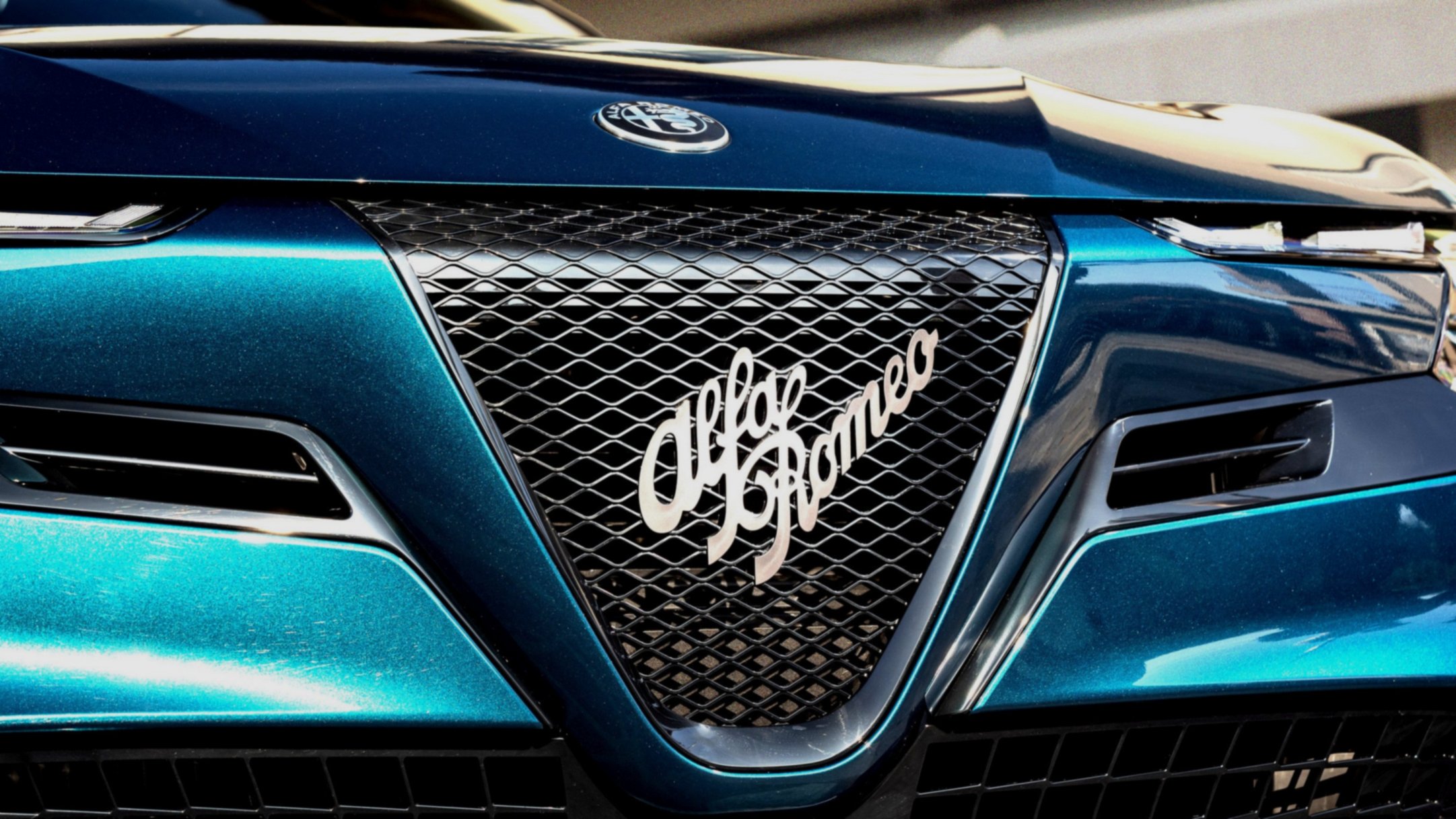
Stellantis is reportedly considering a significant shift in its engineering strategy, looking toward Chinese technology to power its next generation of electric vehicles (EVs). The automaker is exploring a partnership with Leapmotor to co-develop new models for brands like Opel and potentially Alfa Romeo, prioritizing cost-efficiency and rapid development over traditional European engineering.
A Strategic Pivot Toward Cost-Efficiency
The reported move comes at a critical time for Stellantis. The company is under immense pressure to reduce production costs and accelerate its transition to electric mobility, following a massive $25 billion writedown related to its previous EV roadmap.
By leveraging Leapmotor’s existing technology, Stellantis can bypass the high costs and lengthy timelines associated with developing entirely new, proprietary platforms from scratch. This reflects a growing global trend where legacy automakers partner with Chinese tech leaders to remain competitive in the high-speed, low-margin EV market.
The Proposed Collaboration: Design vs. Engineering
According to industry sources, the collaboration would likely follow a divided development model:
- The Technical Core: The new Opel could utilize the architecture of the Leapmotor B10. While the exact powertrain details remain unconfirmed, Leapmotor is expected to supply the “heavy lifting”—the electrical and electronic components that form the vehicle’s nervous system.
- The European Identity: To maintain brand integrity, Opel would likely focus on exterior design and aesthetic styling, ensuring the vehicles still feel like European products despite their Chinese-engineered foundations.
- Production Logistics: Much of the core development would take place in China. However, if a deal is finalized, the resulting Opel SUV would be manufactured at the Zaragoza plant in Spain, which is already slated to assemble the Leapmotor B10 later this year.
Expanding the Partnership
This potential collaboration is an evolution of a relationship that began in 2023, when Stellantis acquired a 20% stake in Leapmotor. This partnership led to the creation of Leapmotor International, a joint venture designed to manage the brand’s expansion into markets outside of China.
If the plan moves forward for Opel, the new model could enter production as early as 2028, with a target production volume of approximately 50,000 units per year. There are also indications that Alfa Romeo could benefit from similar technological synergies.
Uncertainties and Industry Reactions
Despite the reports, Leapmotor has maintained a cautious stance. While the company acknowledges ongoing discussions with partners, including Stellantis, it has not confirmed plans for full platform-level collaboration, stating instead that its focus remains on supplying its own in-house components.
This tension highlights a central challenge for Stellantis: finding the balance between the economic necessity of using Chinese-made platforms and the brand necessity of maintaining the distinct engineering identities that European consumers expect from brands like Opel and Alfa Romeo.
The move signals a fundamental shift in the automotive landscape, where traditional European prestige may soon rely on Chinese technological efficiency to survive the electric transition.
In summary, Stellantis is attempting to mitigate financial risks and speed up its EV rollout by integrating Leapmotor’s technology into its European brands, a move that could redefine how much “local” engineering remains in future European EVs.