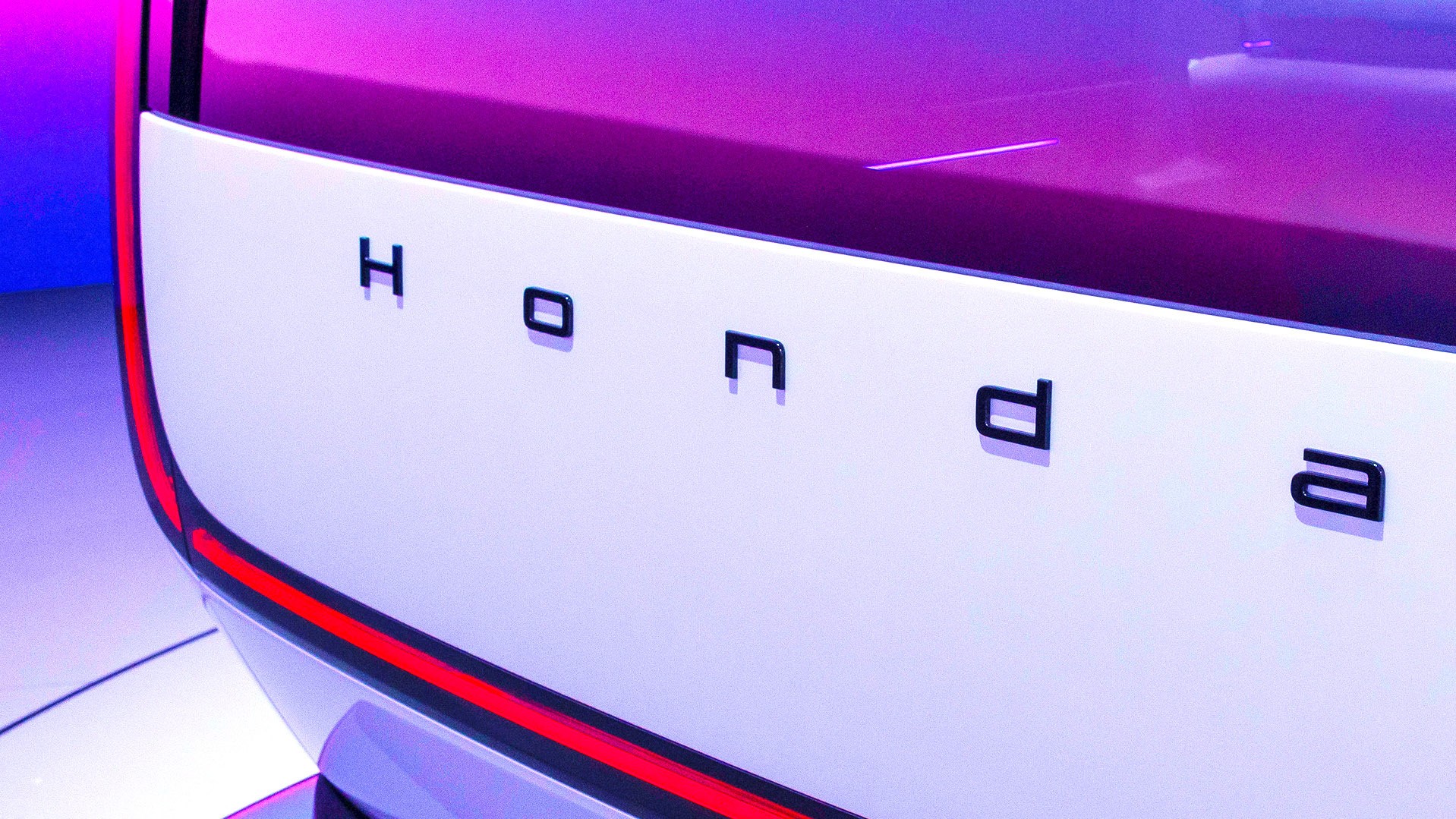
Honda is facing a significant period of stagnation. After a rapid, high-stakes pivot toward electric vehicles (EVs) that has since been abruptly reversed, the automaker now finds itself in a precarious position: it has cancelled its most ambitious upcoming models and has very little new hardware to offer customers until at least 2027.
The Cost of a Sudden U-Turn
Only months ago, Honda was aggressively reallocating its engineering resources and capital toward an all-electric future. This shift involved moving away from traditional internal combustion engine (ICE) development to focus on high-tech, futuristic concepts. However, a combination of cooling EV demand and shifting regulatory landscapes has forced a massive strategic retreat.
The fallout from this reversal includes the cancellation of several highly anticipated projects, such as:
– The 0 Saloon and 0 SUV concept lines.
– The planned revival of the Acura RSX.
This “stop-start” approach has created a development vacuum. By diverting resources away from traditional gasoline and hybrid models to chase EVs, Honda has inadvertently slowed its existing pipeline. Consequently, the company is now left with a lineup of aging models, with no major redesigns—such as a new CR-V—expected to hit the market before 2027.
Financial and Competitive Headwinds
The decision to cancel these programs is not just a blow to Honda’s brand image; it is a massive financial burden. The company is facing several critical pressures:
- Supplier Liabilities: Reports suggest Honda may owe up to $10 billion to suppliers who had already invested in infrastructure and parts production specifically for the cancelled EV models.
- Market Stagnation: In the automotive industry, “newness” is a primary driver of sales. As competitors like Toyota continue to release fresh hybrid and ICE models, Honda risks losing market share to more modern alternatives.
- Pricing Pressures: To move its current, older inventory, Honda is already forced to offer higher incentives and discounts in the U.S. market, which could squeeze profit margins even further.
Searching for a New Path
To stabilize its position, Honda is attempting to recalibrate its strategy. The company is shifting its immediate focus toward hybrid technology —a middle ground that meets current consumer demand more effectively than pure EVs—and is reportedly looking into potential collaborations with Nissan to bolster its North American presence.
However, these moves are in the early stages. While the company aims to reorganize its development processes to regain speed, the immediate reality is a period of “product drought.”
The pivot from an EV-first strategy back to a more traditional mix has left Honda with a massive financial hangover and a product lineup that lacks the freshness needed to compete in a rapidly evolving market.
Conclusion
By abruptly abandoning its EV ambitions, Honda has traded long-term technological momentum for immediate survival, leaving the company with a multi-year gap in its product lineup and a multi-billion dollar bill to settle with its suppliers.