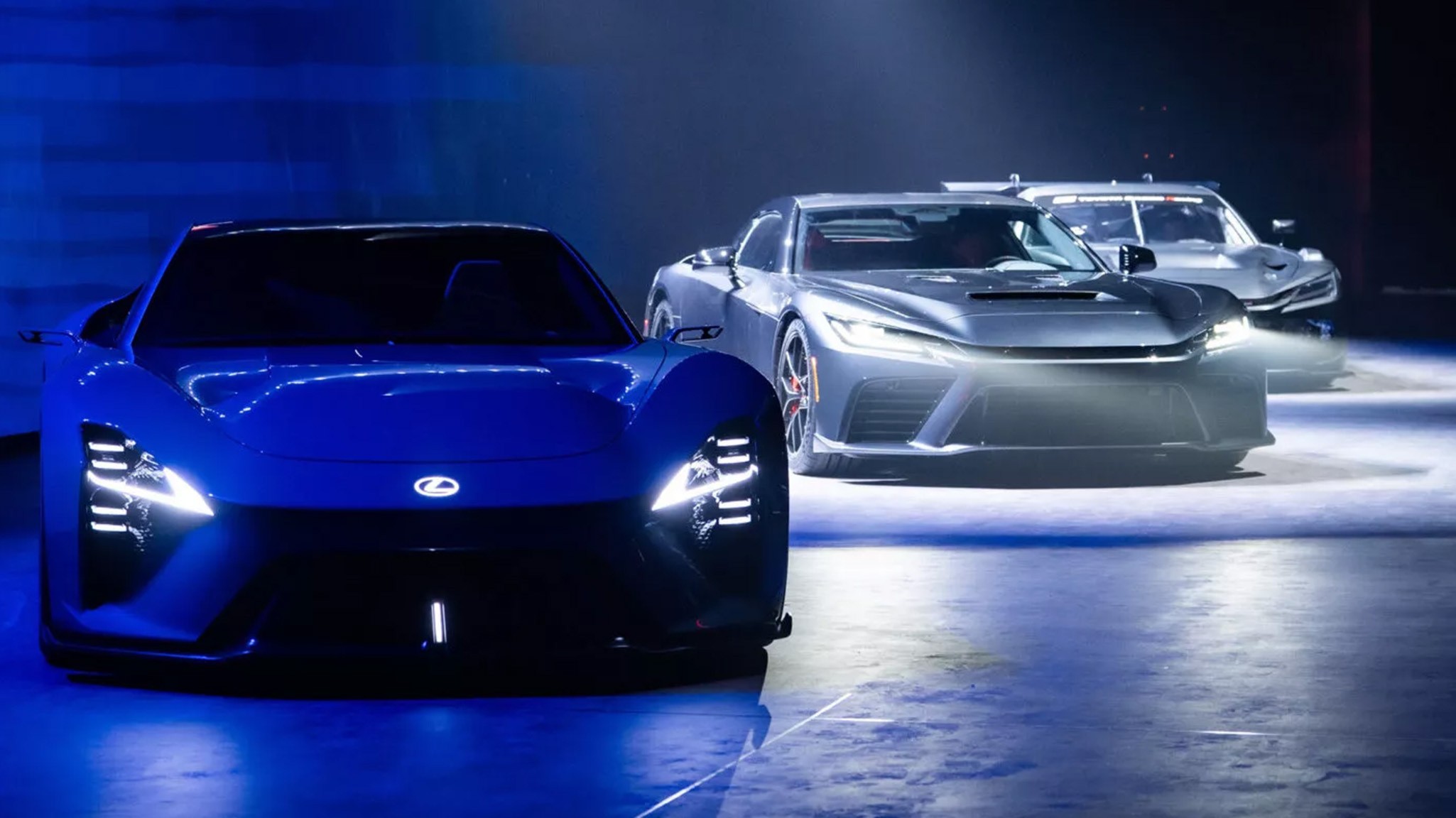
Toyota’s GR GT and the revived Lexus LFA represent a fascinating case study in automotive divergence. Despite sharing underlying technology, the two Japanese supercars are intentionally designed to deliver vastly different driving experiences—one raw and aggressive, the other refined and elegant.
Divergent Philosophies: GR GT vs. LFA
The core difference lies in how each brand approaches performance. The GR GT, with its 641-horsepower hybrid V8, prioritizes a driver-first philosophy. Its exterior is unapologetically functional: oversized air intakes, a rally-inspired hood vent, and a wide, low stance scream intent. Inside, the cabin is minimalist, featuring physical controls, a high-visibility driving position, and only four drive modes (Custom, Normal, Sport, Track). Even the cupholders are an afterthought, placed awkwardly behind the seats to reinforce the focus on driving. The track-only GT3 variant is even more extreme, stripped of all comforts and equipped with a massive rear wing.
The GR GT is not interested in luxury. It’s a tool for drivers who want a direct connection to the machine.
The Lexus LFA, in contrast, embraces refinement through its all-electric powertrain. The exterior design reflects this approach: smooth, flowing lines, and subtle aerodynamic elements. Unlike the GR GT’s aggressive venting, the LFA’s design emphasizes elegance. The interior is similarly refined, with a split-cabin layout that creates a sense of personal space for the driver and delicate controls that reinforce the car’s calmer energy.
Why This Matters: Brand Identity and Market Positioning
This deliberate divergence is not accidental. Toyota and Lexus are leveraging these cars to reinforce their brand identities. Toyota is doubling down on its performance heritage, while Lexus is signaling a future of luxury electric vehicles. This split approach allows both brands to appeal to distinct customer segments.
The GR GT caters to enthusiasts who value raw power and track capability, while the LFA targets buyers who prioritize a sophisticated driving experience with cutting-edge technology. By deliberately avoiding overlap, Toyota and Lexus ensure that each model stands out in a crowded market.
These models demonstrate the future of high-performance cars: shared platforms, but distinctly tailored experiences. The GR GT and LFA prove that even with common DNA, personality is the deciding factor.