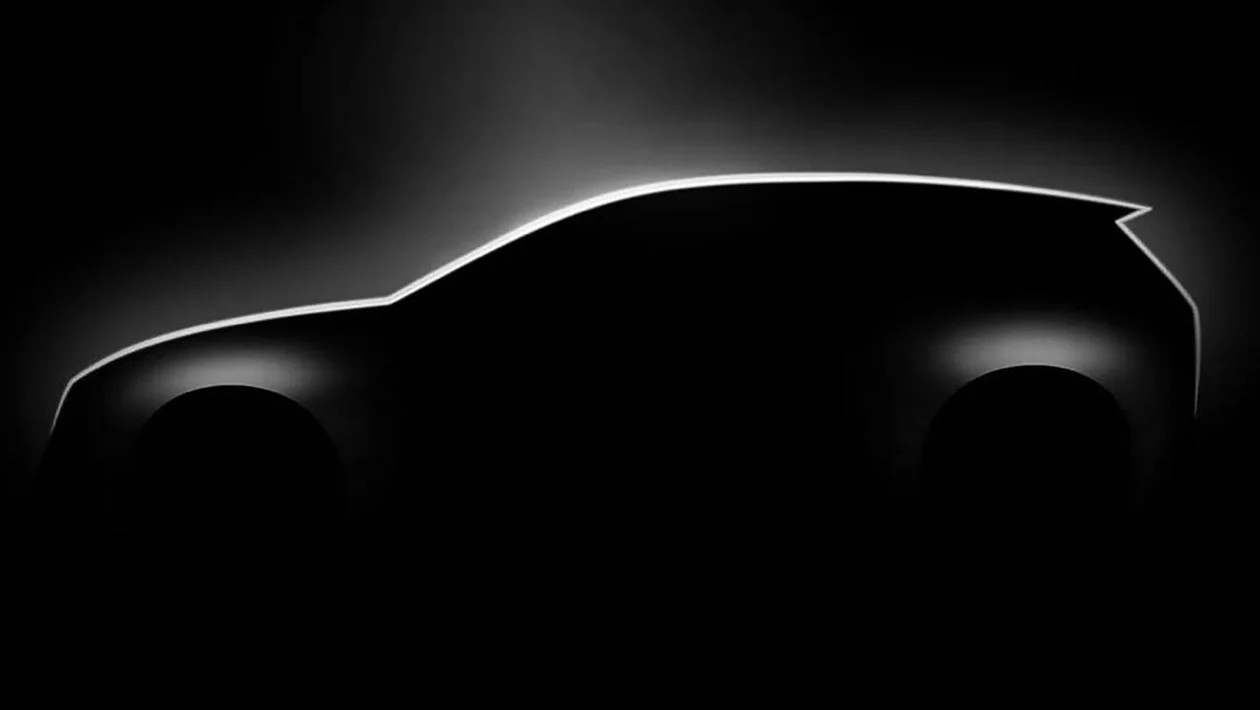
Volkswagen has previewed the ninth-generation Golf to employees in Wolfsburg, signaling a major shift toward electrification while retaining the iconic hatchback’s core design. The model, slated for launch in 2028, will offer both fully electric and traditional combustion/hybrid powertrains, reflecting a pragmatic approach to evolving consumer demand.
Balancing Tradition and Electrification
The teaser image reveals key design changes compared to the current Golf, including a more upright front end, extended rear spoiler, and bolder wheel arches. These modifications suggest a focus on maximizing interior space—likely to accommodate battery packs—and updating the vehicle’s stance. The overall silhouette remains recognizably Golf, ensuring continuity for brand recognition.
This approach mirrors Volkswagen’s strategy with the Tiguan and ID. Polo, where employee previews preceded public unveilings. The company is clearly using its workforce as a first audience, building anticipation and internal buy-in.
Design Convergence and Brand Strategy
Volkswagen executives emphasize a unified design language across future models, moving away from the disparate aesthetics of ICE (MQB) and EV (MEB+) platforms. Board member Martin Sander stated the goal is “a clear Volkswagen design language,” indicating a deliberate effort to simplify brand identity.
However, the company also acknowledges the ongoing debate over its ID electric branding. While the ID series has cultivated a dedicated fanbase—with events like the annual ID community gathering at Lake Como—Volkswagen isn’t ready to abandon its legacy names like Golf and Polo. The ID brand is strong, but so is the recognition of established models.
Adapting to Market Realities
Despite the push toward electrification, Volkswagen will continue offering combustion engine options as long as demand persists. Executives recognize that the transition to fully electric vehicles isn’t uniform across Europe and that customers still desire traditional powertrains.
The next Golf will likely bridge this gap by running on both MEB+ (for EVs) and MQB evo (for hybrids) platforms, allowing for visually similar models with drastically different internals. This strategy is akin to MINI’s approach, maximizing efficiency while minimizing development costs.
Technical Details and Future Outlook
The electric Golf will likely utilize a stretched version of the MEB+ platform, enabling front or all-wheel drive configurations and potentially cheaper LFP battery technology. The internal combustion engine versions will benefit from Volkswagen’s new full-hybrid powertrain, first appearing in the next-generation T-Roc, offering 134bhp or 167bhp options.
Volkswagen is positioning the next Golf as a versatile solution, catering to both electric and traditional vehicle buyers while solidifying its position as a market leader.
The new Golf represents a calculated step toward electrification without entirely abandoning legacy markets. This approach reflects a realistic assessment of consumer preferences and technological feasibility.