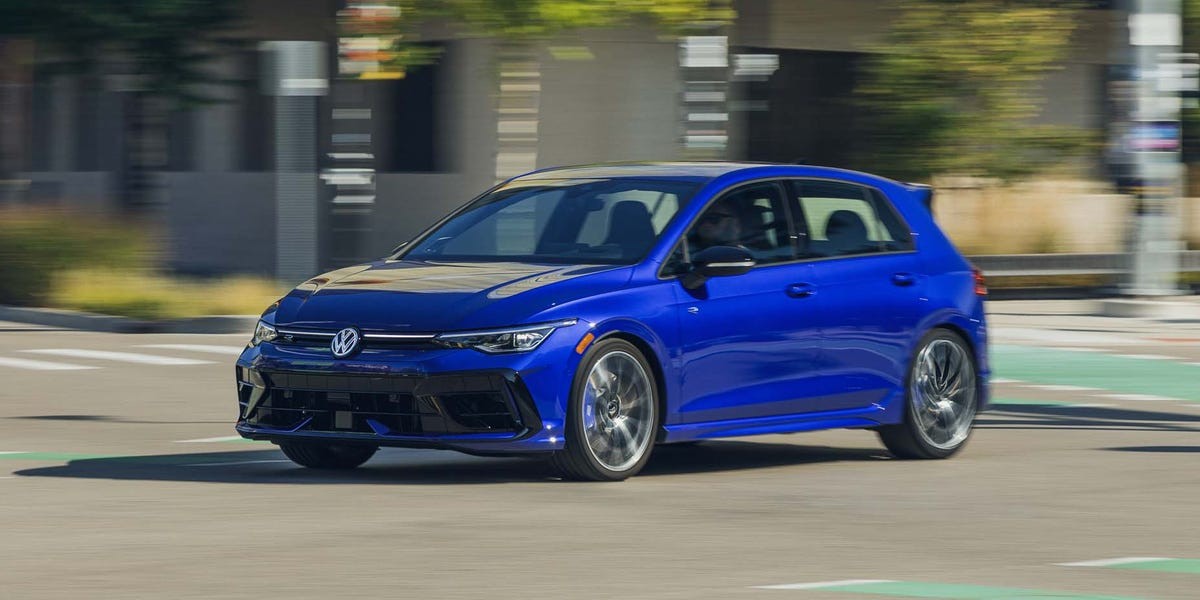
Volkswagen has assured enthusiasts that the high-performance Golf GTI and Golf R variants will continue in production beyond 2030, despite increasingly strict emissions regulations. This confirmation comes from Sebastian Willmann, VW’s head of chassis development, who stated the automaker is actively working to ensure the models comply with the upcoming Euro 7 standards.
Adapting to Euro 7 Emissions Standards
The key to extending the lifespan of these popular hot hatches lies in adapting the current EA888 2.0-liter turbocharged four-cylinder engine to meet the Euro 7 regulations, set to take effect in late November 2026. These regulations are notoriously stringent, demanding significant reductions in vehicle emissions. VW’s commitment to compliance signals a continued investment in internal combustion engine (ICE) performance models, even as the industry shifts toward electric vehicles.
What This Means for Performance
Currently, the Golf GTI delivers 241 horsepower and 273 lb-ft of torque, while the Golf R boasts a more aggressive 328 horsepower and 295 lb-ft. The update to Euro 7 compliance may see the GTI receive a power boost similar to that found in the new Tiguan Turbo, which produces 268 horsepower. More dramatically, speculation suggests a potential high-performance variant of the Golf R could inherit the Audi RS3’s potent turbocharged five-cylinder engine as a limited edition model for its 25th anniversary in 2027.
Implications for the North American Market
While Euro 7 regulations do not directly apply to the United States, the move could affect availability and pricing. The current lack of strong demand for hatchbacks in North America means that any European production setbacks may be felt on this side of the Atlantic.
The decision to continue developing ICE Golf models reflects VW’s recognition of a dedicated enthusiast base. While the automotive landscape is shifting, these vehicles remain a cornerstone of the brand’s identity.
Volkswagen’s continued investment in these models suggests that the internal combustion engine is not yet obsolete, even as electrification accelerates. The company’s ability to navigate increasingly complex regulations will be crucial to maintaining the legacy of these iconic vehicles.