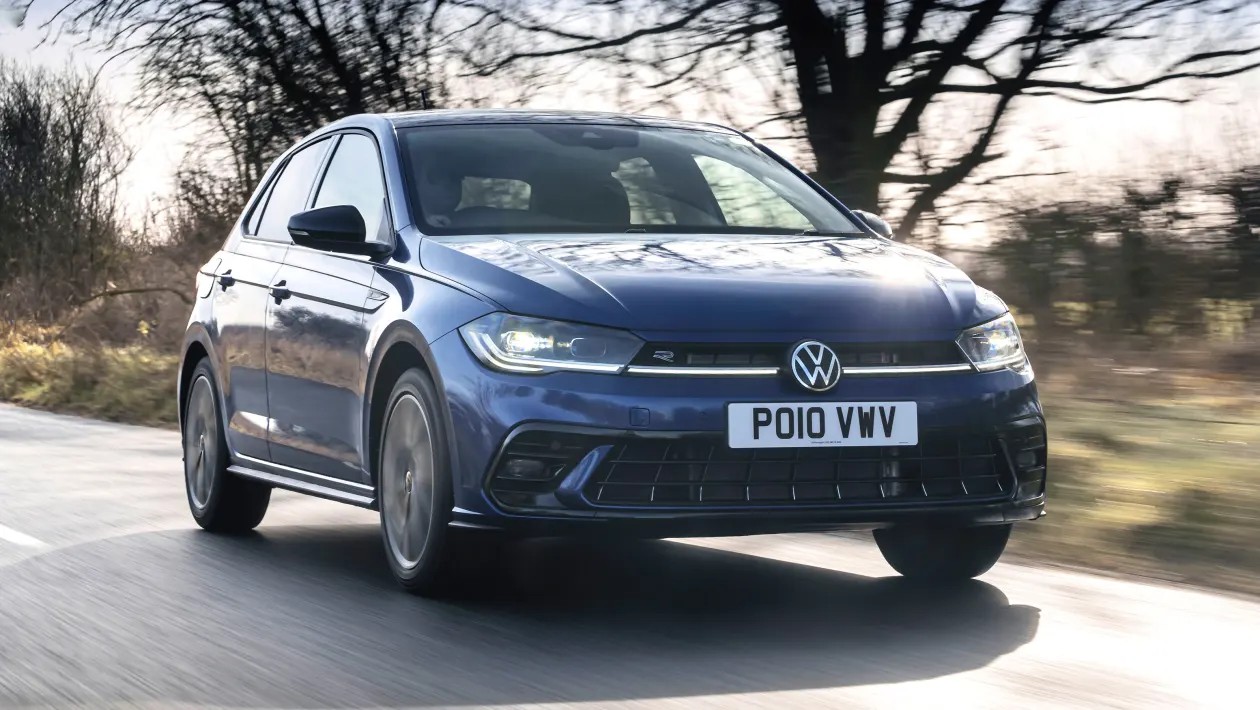
The Volkswagen Polo has evolved into one of the most polished small cars on the market, effectively bridging the gap between mainstream superminis and more upscale rivals like the MINI. This sixth-generation model, launched in 2018 and refreshed in 2021, stands out for its quality, refinement, and surprisingly spacious interior. However, this premium positioning comes at a cost: the Polo is notably more expensive than many competitors.
A Step Above the Competition
The Polo isn’t just a small car; it’s a miniature Golf in many ways. Its interior feels more mature than most rivals, with a focus on build quality and decent onboard technology. The Polo’s size is also noteworthy: it’s nearly as long as a third-generation Golf, offering impressive space for passengers and cargo within the supermini class. This size advantage is a key selling point in a crowded market where space is often compromised.
The Polo’s pricing structure offers various trims, ranging from the entry-level Life (starting around £22,000) to the performance-focused GTI (over £31,400). The higher-spec models, like the Black Edition, can push the price even further.
Driving Experience and Performance
The Polo prioritizes comfort over outright driving excitement. It’s a capable motorway cruiser with a supple ride that rivals larger cars. The steering is direct but lacks significant feedback, and the manual gearbox (if equipped) is functional rather than engaging.
Engine options include:
- 1.0-liter 80 PS: Suitable for urban driving, but struggles on faster roads.
- 1.0-liter TSI 94 PS: The recommended choice for a balance of performance and economy.
- 1.0-liter TSI 113 PS: Offers a bit more power but at a higher cost.
- 2.0-liter GTI: The quickest option, with a 6.5-second 0-62 mph time.
Fuel economy is respectable, with the 94 PS model achieving around 53.1 mpg in real-world conditions. However, the Polo lacks hybrid or electric options, putting it at a disadvantage against more efficient rivals.
Interior and Technology
The Polo’s interior design is clean but starting to show its age. The build quality is solid, but some materials feel budget-conscious. The 2021 facelift brought digital instrument displays (8 or 10.25 inches) and touch-sensitive climate controls, which some drivers may find frustrating. Wireless smartphone connectivity is standard, but the infotainment screens are relatively small compared to modern competitors.
Running Costs and Depreciation
The Polo retains its value reasonably well, with depreciation rates between 46% and 49% after three years. Insurance costs are generally lower than hybrid alternatives, but there are no tax incentives due to the lack of electric or hybrid powertrains. This makes it less attractive for company car buyers compared to zero-emission options.
Verdict
The Volkswagen Polo remains a top contender in the supermini segment. Its refinement, spacious interior, and strong build quality make it a compelling choice for buyers who prioritize comfort and a premium feel. However, its high price tag and lack of electrified options mean it may not be the best fit for budget-conscious consumers or those seeking maximum fuel efficiency.
The Polo delivers a polished, Golf-like experience in a smaller package, but buyers should weigh its benefits against its higher cost and limited powertrain choices.