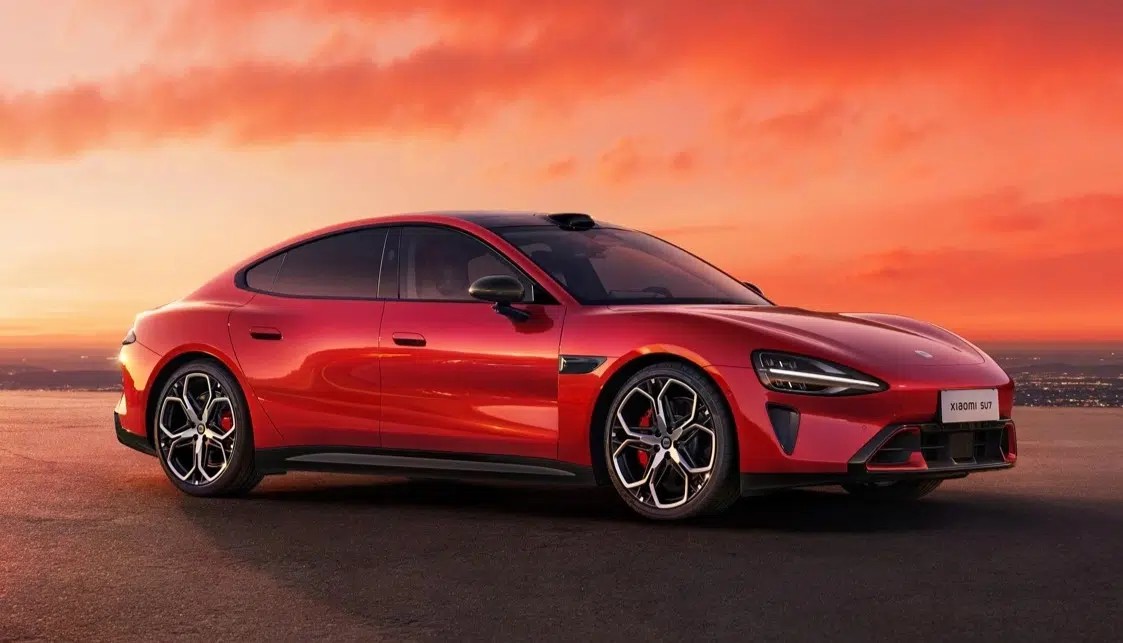
Xiaomi has released an updated version of its SU7 electric sedan for the 2026 model year, introducing enhancements to safety, driving systems, and interior features. The base price starts at $31,870 USD (219,900 yuan), a modest increase of $580 USD over the previous generation. This refresh isn’t just about minor tweaks; it’s about Xiaomi solidifying its position in the competitive EV market.
Technical Advancements Across the Board
The 2026 SU7 now includes advanced hardware as standard across all trims. This means every version benefits from LiDAR, 4D millimeter-wave radar, and the powerful Nvidia Thor-U computing platform (700 TOPS), enabling Xiaomi’s advanced driver-assistance system (HAD).
The V6S Plus motor powers the lineup, delivering 235 kW (Standard & Pro) and up to 508 kW (Max). Battery options include 73 kWh, 96.3 kWh LFP, and a 101.7 kWh ternary lithium pack, offering CLTC ranges of up to 902 km (560 miles). Xiaomi’s high-voltage system operates between 752V and 897V, positioning the platform as an 800V-class architecture.
Why this matters: The move to standardize high-end hardware makes the SU7 more competitive by eliminating feature gaps between trims. This also lowers the barrier to entry for customers seeking advanced driver assistance.
Design and Interior Refinements
The SU7 retains its sleek fastback design (4997 mm long, 3000 mm wheelbase). Exterior updates include better integration of radar sensors and wider rear tires. The interior boasts a 16.1-inch central display, a 7.1-inch rotating instrument panel, and a head-up display. Xiaomi’s smart cockpit system provides expanded voice control and multi-screen interaction.
Structural improvements include increased use of high-strength steel (2200 MPa) and nine airbags. Xiaomi also added a triple-redundant door-unlocking system for reliability in emergencies. The battery pack now features enhanced underbody protection.
Enhanced Chassis and Suspension
The 2026 SU7 features Xiaomi’s “Dragon Chassis” with a front double-wishbone and rear five-link suspension. Higher trims get dual-chamber air suspension with adaptive damping and predictive control based on road conditions. These upgrades prioritize ride comfort and handling stability.
Market Context and Production Shift
The updated SU7 targets the mid-size EV sedan segment, directly competing with the Tesla Model 3. Xiaomi’s strategy focuses on offering advanced features across the entire lineup. Production was temporarily adjusted in February 2026, with deliveries falling to 218 units, as the factory prepared for the new model. This transition signals a proactive shift in manufacturing rather than a drop in demand.
“The updated SU7 represents Xiaomi’s commitment to delivering high-performance electric vehicles with advanced technology at competitive prices,” said a Xiaomi spokesperson.
Xiaomi’s EV business has seen rapid growth, exceeding 600,000 cumulative deliveries in under two years, with a target of 550,000 units for 2026. The SU7 is a key volume model in achieving this goal.
The 2026 Xiaomi SU7 demonstrates a clear strategy: deliver more features, better safety, and improved performance while maintaining competitive pricing. This positions Xiaomi as a serious contender in the evolving EV landscape.