Chinese electric vehicle (EV) manufacturer Xpeng is taking direct control of its Australian operations, bypassing its former distributor as a major legal battle unfolds. The move signals a commitment to the Australian market but raises questions about the fate of existing customers and the stability of the brand’s local presence.
New Structure, Existing Conflict
Xpeng Motors Australia Pty Ltd (Xpeng ANZ) has announced the appointment of a new senior leadership team with experience in the Australian automotive sector. Hidesuke Takesue, formerly of GWM Australia, has confirmed his role as a senior executive consultant. The company intends to establish a direct-to-dealer network across major Australian cities, promising full responsibility for customer support and aftersales services.
However, this expansion occurs against the backdrop of a messy legal dispute with TrueEV, Xpeng’s former Australian distributor, which entered administration last month. The dispute centers around allegations of “unconscionable conduct” by Xpeng, who TrueEV claims undermined its operations before terminating their exclusive distribution agreement.
The Legal Battle: A Breakdown
According to court documents, TrueEV alleges that Xpeng deliberately sought to establish a dual distribution network, refusing to supply new models unless it could also enter the Australian market directly. TrueEV further claims Xpeng interfered with its existing dealer network, unilaterally changing approval processes and pressuring dealers and finance partners to sever ties.
TrueEV invested heavily in establishing a network of 15 dealers, 57 smash repairers, and 58 service centers under a five-year agreement. Xpeng reportedly argued that its sales and service would “function much better” under direct control. The trial is set to begin in October.
Why This Matters: Franchising and EV Expansion
This dispute highlights broader challenges in the EV industry and franchising practices. The Australian Government is preparing long-awaited protections for car dealers, potentially influenced by cases like this one.
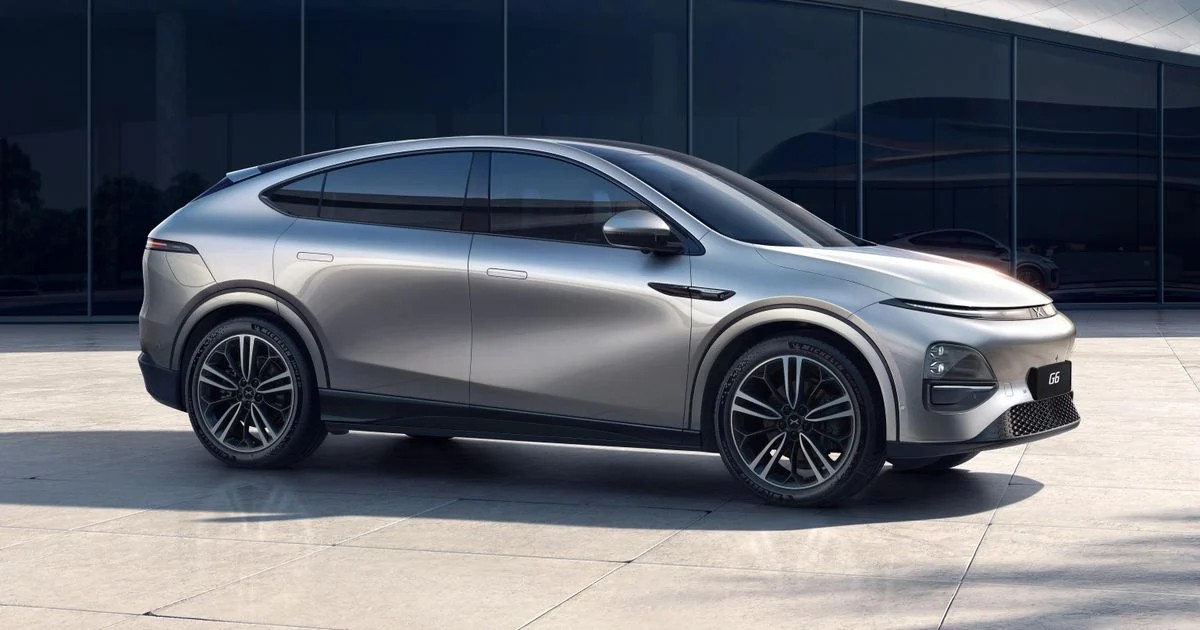
Xpeng’s decision to cut out the middleman is not unusual for automakers seeking tighter control over brand experience and profit margins, but it leaves customers in a vulnerable position. The timing of the transition is particularly concerning, as TrueEV had planned to launch updated models – including the G6, G9L, and X9 – in 2026.
Uncertain Future for Existing Customers
Xpeng has not detailed how it will support customers who purchased vehicles through TrueEV during the transition. The company’s commitment to “long-term stability” remains untested, given the ongoing legal proceedings and the abrupt shift in distribution.
The dispute raises questions about how Xpeng will handle warranty claims, servicing, and parts availability for vehicles already on Australian roads. The company has not reported sales figures publicly, making it difficult to assess the full extent of its customer base.
In conclusion, Xpeng’s move to establish direct operations in Australia is a bold step, but its success hinges on resolving the legal battle with TrueEV and ensuring a smooth transition for existing customers. The case underscores the complexities of international automotive franchising and the risks faced by both manufacturers and distributors in rapidly evolving markets.