


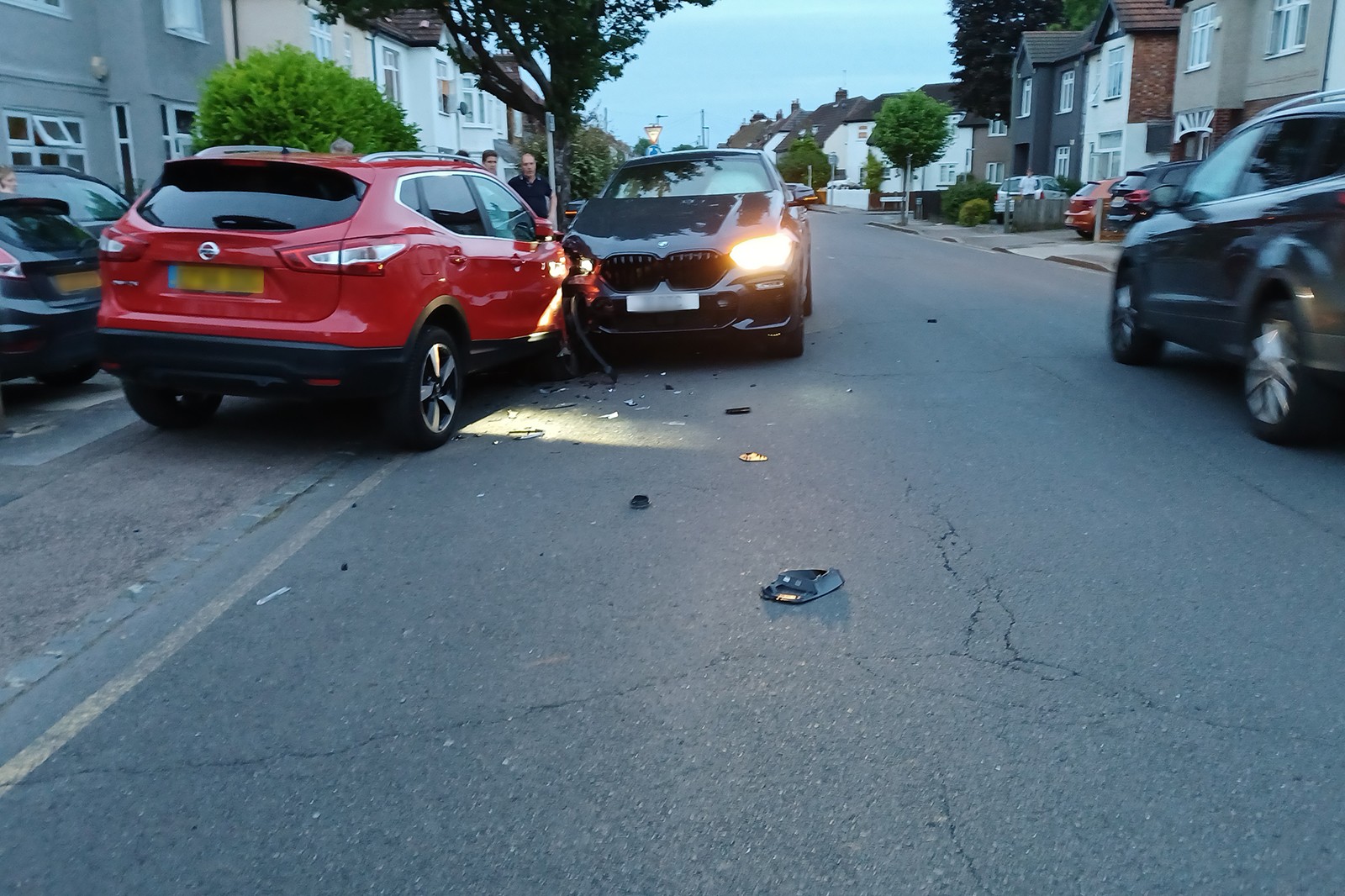
Residents across the UK are increasingly taking matters into their own hands to combat reckless speeding, as local authorities often refuse to implement safety measures despite clear evidence of dangerous driving conditions. This growing trend highlights a critical disconnect between public safety concerns and bureaucratic decision-making.
Rising Speeding, Rising Public Action
Since 2022, speeding fines have risen nationally by approximately 15%, indicating a worsening problem. In response, the number of community-led speed monitoring groups – such as Community Speedwatch – has surged to 2,500, now supported by over 17,000 volunteers. These groups are filling a gap left by insufficient or delayed action from local governments.
However, in many cases, councils have dismissed resident concerns, even when presented with data showing frequent speeding violations and documented collisions. Some authorities argue that the risk of injury is “too low” to justify intervention, despite clear and repeated offenses.
Bromley Residents Face Dismissal
A recent example is the situation in Bromley, South-East London, where residents on Siward Road and Godwin Road have gathered compelling evidence of reckless speeding. Over two weeks, they recorded approximately 1,000 violations, including 40 drivers exceeding 40 mph, with one clocked at a staggering 75 mph in a 30 mph zone.
Residents also claim to have documented over ten collisions in the past four years, including one incident where a pedestrian was hospitalized. Despite this, Bromley Council has downplayed the findings, claiming it has “no recorded injury collisions” on those roads in the last three and a half years.
“They make it sound like there have been no accidents at all, but my neighbors and I can assure anyone that there have been,” said Susannah Miller, a member of the residents’ campaign group. “We think physical interventions are needed, but the council says five people have to be killed or seriously injured before they will consider any action. Why do people have to die or be hurt when we have the data to show there is a real risk?”
Council Defends Prioritization
Bromley Council’s transport chief, councillor Nicholas Bennett, maintains that limited funding from Transport for London requires prioritizing action based on “evidence of known accident blackspots.” According to the council’s own data, Bromley has seen a 48% decrease in serious injuries from 2019 to 2023, and has one of the lowest casualty rates in London.
However, this defense ignores the proactive approach taken by residents who are providing real-time data on dangerous driving behavior before collisions occur. The conflict illustrates a broader issue: local governments often react to accidents rather than preventing them, even when communities offer solutions.
The growing frustration among residents underscores a systemic failure to address speeding concerns effectively, forcing citizens to act as de facto traffic enforcers while councils prioritize bureaucratic metrics over immediate public safety.


