The modern motorcycle market is saturated with technology. Manufacturers pitch cutting-edge electronics, complex connectivity, and premium components as essential upgrades, creating a narrative that riders “need” these features to enjoy a complete experience. However, this relentless push for innovation often obscures a fundamental truth: the quality of the riding experience does not depend on the complexity of the dashboard.
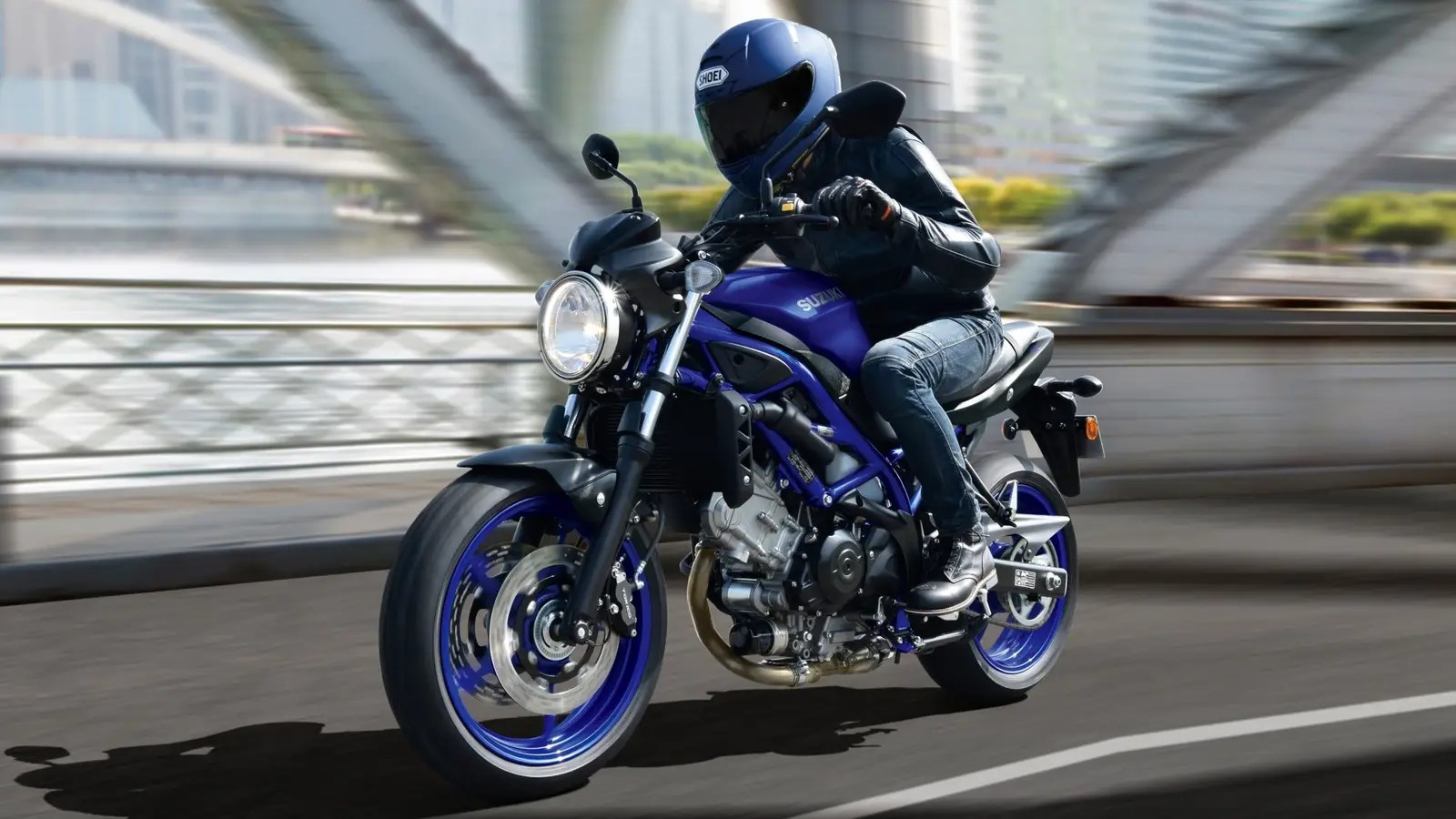
For true enthusiasts, the joy of riding often lies in mechanical purity and direct connection with the machine. This is where the “naked” bike segment becomes a study in contrasts. On one end, you have technologically dense machines that rival sports bikes in sophistication. On the other, you have machines like the Suzuki SV650, which prove that simplicity, reliability, and raw fun can offer a more profound riding experience than a spec sheet ever could.
The High-Tech Contenders
To understand why the SV650 stands out, it is necessary to look at what it is not. The current middleweight naked market is dominated by bikes that prioritize engineering prowess and electronic customization.
- The KTM 990 Duke R: This machine represents the pinnacle of technological advancement in its class. It offers unprecedented levels of customization, high power output, and aggressive weight reduction. However, this performance comes with a caveat: KTM bikes are notoriously sensitive to hard riding, often sacrificing long-term reliability for peak performance.
- The Aprilia Tuono 660 Factory: For those seeking Italian flair combined with modern engineering, the Tuono offers a similar formula to the KTM but with a distinct character. It features sophisticated electronics that allow for precise track-day adjustments, making it a versatile tool for both street and circuit use.
- The Yamaha MT-09 SP: A veteran in the segment, the MT-09 SP holds its own with features like electronic suspension. Yet, its value proposition is complicated by pricing. Often costing more than newer European competitors, it struggles to justify its price tag to buyers who might prefer the fresh appeal of an Italian alternative.
These bikes are impressive feats of engineering. But they require a certain tolerance for complexity, maintenance, and cost. For many riders, this is not the “Nirvana” they seek.
The Case for the Suzuki SV650
Enter the Suzuki SV650. Originally introduced over two decades ago as a sensible, low-maintenance alternative to the Ducati Monster, the SV650 has remained largely unchanged since its inception. It is not a relic; it is a testament to the idea that some things are perfect as they are.
Unmatched Value and Transparency
The SV650 is priced at $8,049, a figure that includes ABS as standard equipment. There are no hidden costs or expensive option lists to inflate the price. When compared to the KTM, Aprilia, or Yamaha, which can cost up to 50% more, the SV650 offers exceptional value. While competitors offer more features, the SV650 delivers a core riding experience that many find superior due to its lack of digital interference.
The Last Stand of the V-Twin
Suzuki is one of the last major manufacturers to champion the 90-degree V-twin engine layout in this segment. The SV650’s engine is a 645cc, liquid-cooled, DOHC unit with four valves per cylinder.
* Performance: It generates 73 horsepower at 8,500 RPM and 47.2 lb-ft of torque at 8,100 RPM.
* Character: The short-stroke design provides a distinctive power delivery that is both manageable and engaging.
* Reliability: Unlike the high-strung engines of its competitors, the SV650’s powerplant is renowned for its durability and low maintenance requirements.
Simplicity in Design and Mechanics
The bike’s chassis is built around a steel trellis frame, which keeps weight down while maintaining the rigidity necessary for agile handling. The suspension setup is straightforward:
* Front: Simple 41mm telescopic forks.
* Rear: Link-type single shock with seven-step preload adjustment.
* Brakes: Twin 290mm floating discs with Tokico four-piston calipers up front, and a 240mm disc with a single-piston caliper in the rear.
While this may seem basic compared to electronically controlled suspension systems, the SV650’s simplicity is a feature, not a bug. It allows for easy maintenance and a vast aftermarket support network. Enthusiasts frequently upgrade the front end with components from Suzuki’s GSX-R series, demonstrating the platform’s versatility.
Dimensions and Ergonomics
The SV650 is designed for accessibility and agility:
* Length: 84.3 inches
* Width: ~30 inches
* Wheelbase: Just under 57 inches
* Seat Height: 30.9 inches (highly accessible)
* Curb Weight: 437 pounds (wet)
These dimensions make it an ideal machine for urban commuting and weekend canyon carving, offering a balance of stability and nimbleness that heavier, more complex bikes often lack.
Minimalist Technology, Maximum Clarity
If you are looking for a TFT display, ride-by-wire throttle, or configurable riding modes, the SV650 will disappoint. Its instrument cluster is a simple LCD screen, but it is logically laid out and highly functional. It provides all the essential data: gear indicator, clock, RPM, coolant temperature, trip meters, odometer, fuel gauge, and a full trip computer.
The only electronic aid is standard ABS (non-switchable) and Suzuki’s SDTV (Suzuki Dual Throttle Valve) technology, which optimizes throttle response via the ECU. While some models in other markets have received updates to meet emission norms, the core philosophy remains unchanged: keep it simple, keep it reliable.
A Modern Alternative?
For those who desire a more modern package without sacrificing value, the Honda CB750 Hornet E-Clutch is a worthy competitor. Priced lower than the SV650, it features a larger parallel-twin engine and Honda’s semi-automatic E-Clutch system. It is light, affordable, and technologically advanced. However, for riders who crave the specific character and mechanical soul of a V-twin, there is no substitute for the Suzuki.
Conclusion
The Suzuki SV650 challenges the prevailing notion that more technology equals a better motorcycle. By stripping away unnecessary complexity, Suzuki has created a machine that is affordable, reliable, and undeniably fun. In a market obsessed with the “next big thing,” the SV650 reminds us that the best features are often the ones you don’t notice —like reliability, simplicity, and the pure joy of riding.