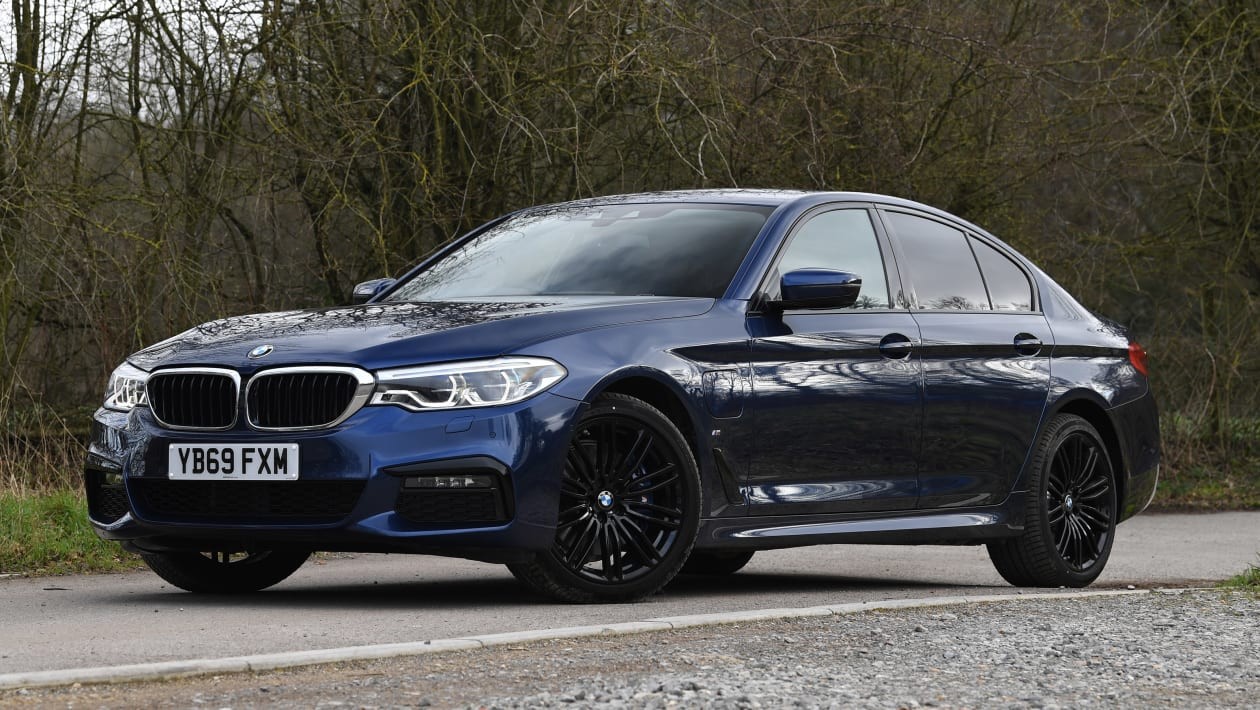
The BMW 5 Series has long been a benchmark in the executive car segment. Now in its seventh generation (the G30/G31), this model has spent years competing at the highest level, earning multiple “Executive Car of the Year” accolades. While a newer model has arrived in 2024, the Mk7 remains a highly desirable, sophisticated, and technologically advanced choice on the used market.
The All-Rounder Advantage
What makes the 5 Series stand out is its ability to balance conflicting priorities. It is designed to be a “consummate all-rounder” : engaging enough for driving enthusiasts, yet refined and spacious enough for long-distance business travel or family use.
While competitors like the Mercedes E-Class often lean more toward luxury and the Audi A6 toward clinical efficiency, the BMW maintains a reputation for driver-focused dynamics. It manages to feel nimble despite its size, thanks in part to a chassis that is actually 100kg lighter than its predecessor due to extensive aluminum use.
Model Evolution and Powertrain Options
The Mk7 was launched in early 2017, initially in saloon form (G30), with the Touring (estate/G31) arriving shortly after. A significant mid-life facelift in 2020 refreshed the styling, upgraded the infotainment, and introduced more powerful hybrid options.
Choosing Your Engine
When browsing the used market, your choice of powertrain will dictate your running costs and driving experience:
- Diesel (The Long-Distance Champion): Models like the 520d and 530d are ideal for high-mileage drivers. They offer exceptional fuel economy and torque, making them perfect for motorway cruising.
- Plug-in Hybrid (The Urban Specialist): The 530e and 545e are excellent for those with access to a charging point. They allow for near-electric commuting, significantly lowering CO2 emissions and tax costs.
- Petrol (The Enthusiast’s Choice): The 530i and other petrol variants provide smooth, sonorous performance, though they are notably less frugal than their diesel or hybrid counterparts.
Note: All models are paired with an eight-speed automatic transmission, ensuring seamless power delivery.
What to Look for When Buying
🛠️ Mechanical & Maintenance
- Service Model: BMW uses Condition-Based Servicing. Rather than fixed intervals, the car monitors its own wear and tells you when it needs an oil service (typically around every 16,000 miles).
- Reliability & Recalls: While generally robust, be aware that this generation has seen six recalls involving items like steering racks, seatbelts, and battery packs in hybrids. Always check the vehicle’s service history for completed recall work.
- Common Quirks: Some owners report minor rattles from the rear seat area (often caused by seatbelt buckles) when the car is cold.
🛋️ Interior & Practicality
The cabin is widely considered one of the best in its class. Key highlights include:
– Technology: The iDrive infotainment system is frequently cited as a market leader for its responsiveness and ease of use.
– Space: The interior is roomy, with rear legroom approaching that of the much larger 7 Series.
– Versatility: The saloon offers a generous 530-litre boot, while the Touring estate provides up to 1,700 litres with the seats folded—making it a legitimate family vehicle.
Wheels and Ride Quality
- M Sport Trim: Offers a sportier look and larger wheels, but the firmer suspension can feel “harsh” on bumpy city roads.
- SE Trim: Often comes with more conventional tyres, which may provide a slightly more compliant ride.
- xDrive (Four-Wheel Drive): Provides superior traction in snow and rain, but comes at the cost of slightly higher fuel consumption.
Market Comparison: The Rivals
| Model | Primary Strength | Potential Drawback |
|---|---|---|
| BMW 5 Series | Driving dynamics & infotainment | Higher insurance & servicing costs |
| Mercedes E-Class | Luxury & high-tech interior | Can feel less “engaging” to drive |
| Audi A6 | Build quality & efficiency | Less driver-centric personality |
| Volvo S90/V90 | Safety & seat comfort | Less “sporty” than the BMW |
| Lexus ES | Reliability & refinement | Not as rewarding for enthusiasts |
Summary Verdict
The BMW 5 Series Mk7 remains one of the most complete executive cars ever built. While you may face higher insurance premiums and servicing costs compared to some rivals, the reward is a vehicle that excels in technology, comfort, and driving pleasure.
Final Thought: If you want a car that handles beautifully without sacrificing luxury or space, the 5 Series is an easy recommendation—just be sure to choose the engine that matches your typical driving mileage.