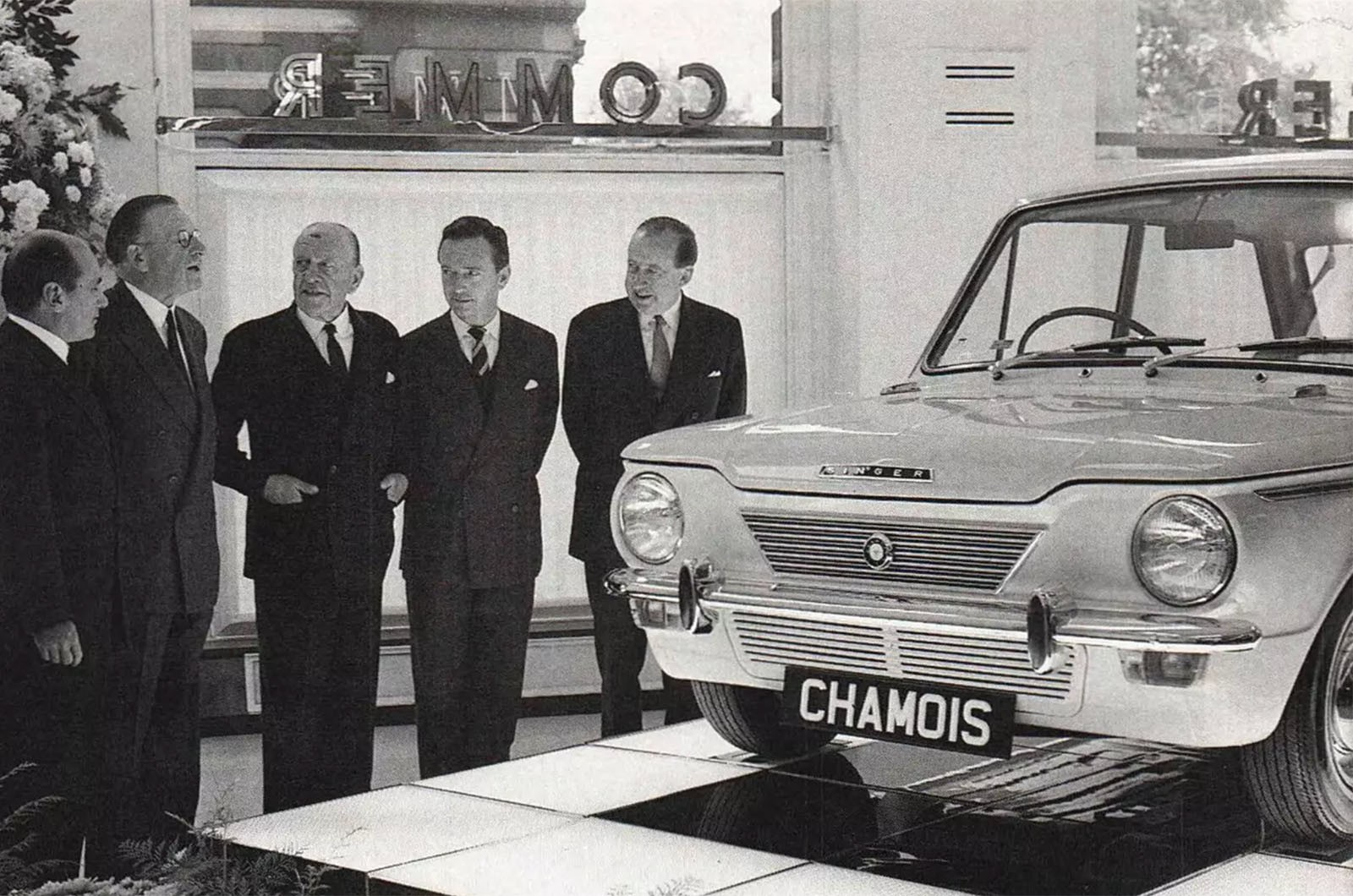
While the name Singer is currently synonymous with high-end, bespoke Porsche restomods crafted by Rob Dickinson, the original Singer Motor Co. was a titan of the early automotive era. A pioneer of British engineering, the company played a pivotal role in the evolution of motorcycles and cars, even providing the direct inspiration for the legendary Aston Martin brand.
A Name Shared by Chance
Despite the similarities in name, the original Singer Motor Co. had no connection to the famous sewing machine manufacturer or the modern automotive restomod brand.
The distinction is a matter of lineage:
– The Sewing Machine Connection: Isaac Singer founded the New York-based sewing machine company in 1851.
– The British Motor Pioneer: George Singer founded the Singer Motor Co. in Coventry in 1875.
The historical overlap is a web of coincidences. George Singer had previously worked on sewing machines, and Isaac Singer’s son, Paris Singer, actually launched a competing motor company in the 1890s—later becoming the very first customer for Rolls-Royce.
Engineering for the Modern Age
George Singer’s transition from bicycles to motorized transport marked a turning point in early mobility. After inventing the curved bicycle fork, he acquired the rights to a one-cylinder engine in 1900. This engine was integrated directly into the wheel, creating a “motor bicycle” that was celebrated for its aesthetic appeal and ease of use.
The Singer motor bicycle was notable for several engineering breakthroughs:
– Simplicity: A neat drop-frame design and intuitive controls.
– Reliability: The use of novel magnetos ensured a unique and dependable ignition system.
– Accessibility: Because of its manageable handling, it was marketed as one of the first motorcycles truly suitable for female riders.
As the technology evolved, Singer expanded from three-wheelers to full-scale automobiles by 1905, moving from licensed designs to producing their own high-performance four- and six-cylinder engines in their Coventry factory.
The DNA of Aston Martin
Perhaps the most significant footnote in Singer’s history is its influence on the prestige automotive landscape. In 1913, a London dealership was established by Robert Bamford and Lionel Martin.
Martin was not just a dealer but a racer who specialized in tuning Singer vehicles for competition. His success in road races and hillclimbs—specifically his ability to make Singer cars perform with remarkable smoothness—left a lasting impression. This pursuit of performance eventually led him to found his own marque, taking the “Martin” from his racing days to create Aston Martin.
Breaking Barriers on the Road
The Singer brand was also a catalyst for social change in motoring. In 1914, Beatrice Blore made automotive history by becoming the first woman to conquer the steep 1:3 gradient of the Great Orme tramway in Llandudno. Remarkably, she achieved this feat while six months pregnant, proving the rugged reliability and stability of the Singer machines.
The history of Singer is a testament to how early engineering breakthroughs—from reliable ignition to user-friendly designs—laid the groundwork for the entire luxury automotive industry, directly inspiring the creation of some of the world’s most iconic brands.