“Tyre labelling needs improvement”
That’s the verdict from the folks behind a project trying to fix how we buy rubber. Specifically in the UK and Europe, the system is broken. Or rather. Stuck in the last century.
Enter ECOLABEL. A Swiss-Polish academic partnership leading the charge. The name stands for Environmental Consumer-Oriented Labeling Advancement for Better energy efficiency and lower external noise. Mouthful. The goal? Clearer info. Better choices.
Why now? Electric cars.
“Tyre rolling noise has become extremely important… in typical road conditions this is the total vehicle sound.”
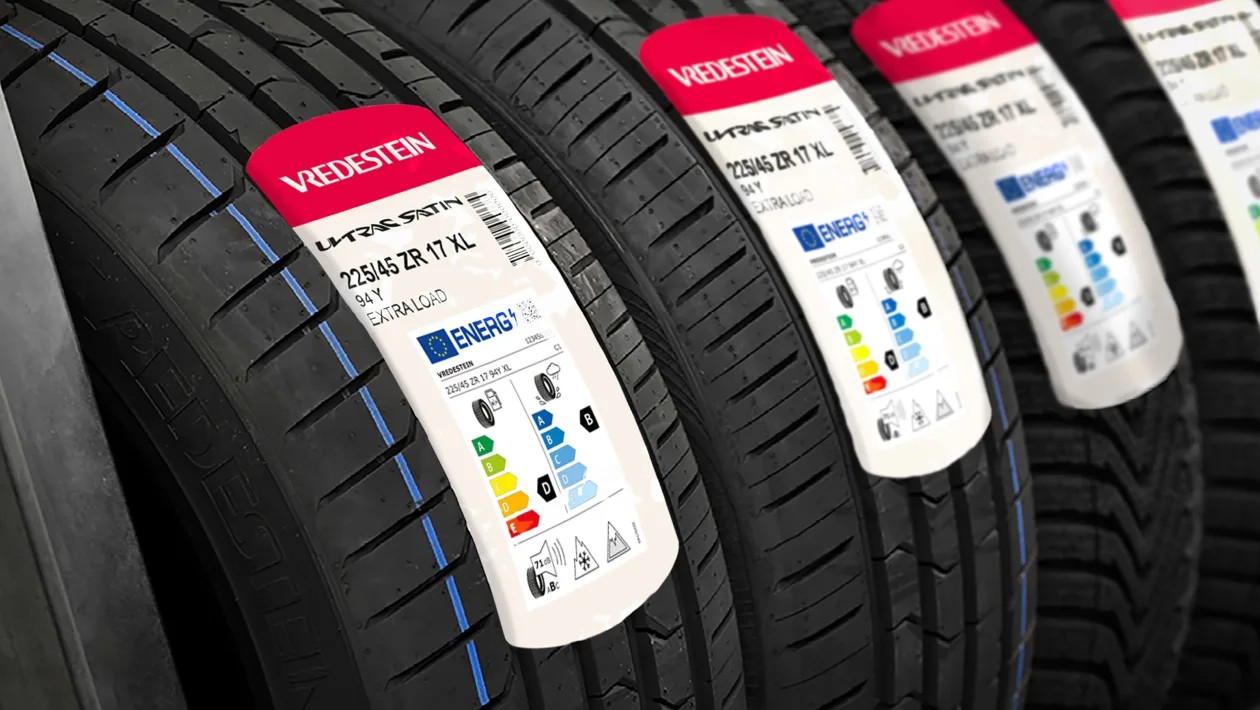
Dr. Piotr Mioduszewski gets it. When the engine dies, the road makes the noise. Right now. Those little labels on the tyre show decibels. Wet grip. Rolling resistance. It’s a snapshot of a different reality.
Think about the noise test. They run the car at 50 mph past a microphone. The road is Dense Graded Asphalt. It’s smooth. It’s quiet. It doesn’t look like the pothole-riddled mess we actually drive on.
European roads use coarser, gap-graded asphalt The ECOLABEL team says the current test surface is fake news. On real roads. Tyres sound up to 11 decibels louder. That’s a big jump. The label you stick in your window says quiet. The road says otherwise.
Then there’s the resistance issue. The drum test. It’s been around since the nineties. They roll a tyre over a metal cylinder. Smooth metal.
“When we tested tyres on different roads… we obtained quite different results”
Drum vs. Asphalt. The ranking changes. What looks cheap might be expensive in real life. What looks efficient might suck on real streets.
The fix? Wrap the test drum in fake asphalt. Real European asphalt texture. Suddenly. The numbers mean something.
And the heat? It’s always set at 25 degrees C. Even for winter tyres.
“Imagine buying a winter jacket tested whilst camel riding in Saudi.”
Professor Jerzy Ejsmont put it best. A good joke. But true. 15 degrees for summer. 5 degrees for winter. Real weather matters. Cold rubber acts different. Warm rubber acts different. The label shouldn’t lie about temperature.
Better data helps everyone. Car makers need real rolling resistance numbers to predict EV range correctly. Right now. They are guessing. Consumers? You deserve truth. Not assumptions. Maybe manufacturers will compete on real performance instead of optimized lab stats.
Will it happen soon?
Not really.
We are in the consultation phase. Proposals to the EU Commission? Late 2028 earliest. Real changes for shoppers? 2035 at the very earliest. The EU decides. They move slowly.
Until then. Keep reading the small print. It might not match your driveway.