Wagons are dying out. At least, the fun, cheap kind. Europe still has a love affair with estate cars, sure, but the rugged, go-anywhere variants are vanishing faster than a trend on Twitter. You want one? Pay Mercedes prices. Audi prices.
Volkswagen gave up on the Alltrack. Renault’s budget division isn’t so easily discouraged. Enter the Dacia Striker.
It’s a weird beast on paper. A lifted wagon. A crossover in spirit but a sedan in efficiency. It tries to be everything to everyone. That usually results in a mess.
The Dacia Striker is Europe’s cheap all-in-one car
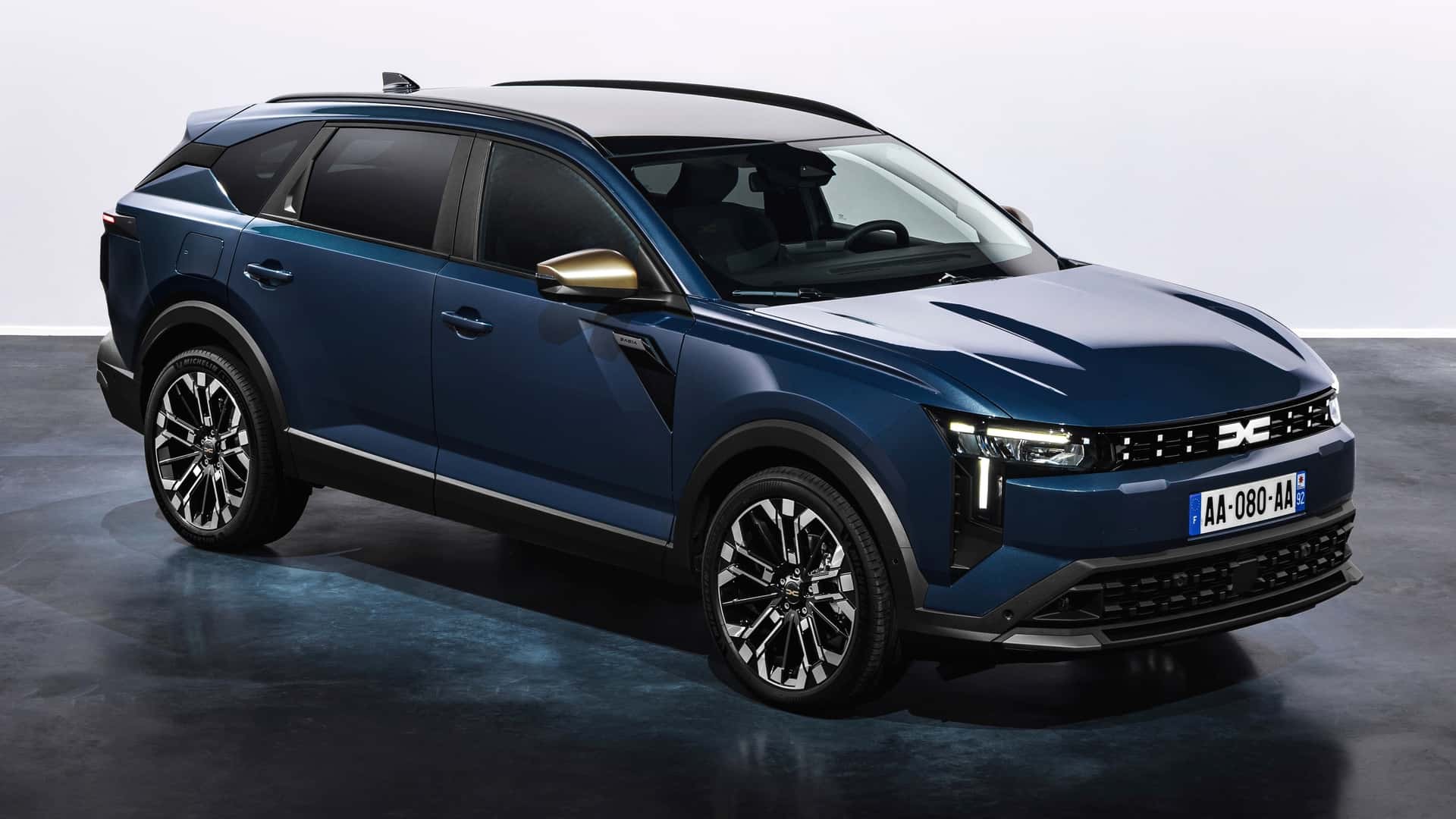
This time it feels intentional. Renault picked up Dacia in 1999 and kept refining. The result? A car that sits lower than the Bigster SUV. It’s for people who want the stance without the SUV weight penalty. No need to step over the roofline. Just open the door and climb in.
It doesn’t look like a lowered SUV hack either. The silhouette is distinct. New T-shaped lights front and back. Real rear door handles this time. Good choice. Those hidden D-pillar latches on other Dacias were annoying to grab when you just wanted your groceries out.
At 4.62 meters long, it fits the compact class. Plastic cladding everywhere else to suggest it can handle dirt. Can it? Let’s see.
It’s packed with stuff. Even the cheap ones.
Dacia is budget-first. That’s their whole brand. But the Striker list is surprisingly long. Standard wheels are small. Seventeen-inch steel. Ugly, maybe, but swappable. Go up to 19-inch alloys if you want the showroom look. A panoramic sunroof stretches to the rear too. Inside, there’s a 10.1-inch screen paired with a digital cluster. It uses optical tricks to look 3D.
There are physical buttons below the screen. Thank God. Steering wheels still use actual switches instead of frustrating touch sliders. This matters when you’re driving in winter gloves.
Open the powered tailgate. You see 600 liters of space. That is decent for the segment. The floor has three parts and two heights. Sliding drawer for small things. Nine anchor points for accessories. It is built for carrying stuff. That is its job.
Noise used to be an issue. Dacia knew this. They thickened the glass. Added more sound deadening material. The cabin is quieter than the old Jogger. But fewer seats. This one is strictly five-passenger. No seven-seat option.
Three engines. No diesel.
Renault hates diesel now. Emphasis on the hates. The Striker follows suit. No oil-burners here.
Start simple. A turbocharged 1.2L three-cylinder. It has a mild hybrid setup. Can run on LPG. Cheap fuel. Great for long European holidays.
Next is the full hybrid. Naturally aspirated 1.8L engine plus two electric motors. One drives. One charges. The 1.4kWh battery isn’t big but it helps. The ICE makes 109 hp. The hybrid motor adds 49. Four-speed automatic. No clutch to wear out. In city traffic? Dacia claims 80% electric operation. That means less gas. Less noise. Less vibration in traffic jams.
Then comes the four-by-four. This is for people who actually plan to drive somewhere with mud. Same 1.2L mild-hybrid up front. Now paired with an electric motor at the back. Front axle gets 140 hp through a six-speed dual-clutched. The rear motor adds 31 hp. Total system output? 150 hp combined. You can disengage the rear if it is paved. Saves fuel. Saves weight.
Auto, Eco, Snow. Mud/Sand. Off-Road modes. Hill Descent Control comes standard.
The AWD version is heavier. Obviously. Hardware costs pounds. Curb weight hovers around 1,400 kg for the FWD models.
Will anyone buy it?
It launches in 2027.
The starting price sits under €25,001. Cheap. Very cheap. A loaded 4×4? Likely crosses the €30,00 mark. Still. Probably cheaper than an equivalent Bigster.
It is a sensible car. For sensible people. The Motor1 take is blunt: it is a do-it-all vehicle without the premium badge tax. It will not make your heart race. It might make your accountant smile.
You do not need excitement when you need space. You do not need status when you need value. Dacia gets this. They build cars that get from A to B with everything else in them.
The wagon isn’t dead. It’s just getting a cheaper name. And more plastic.
What do you think about Dacia bringing back the rugged estate?
We will find out if the market cares. Prices are dropping everywhere else. The EV revolution is slowing. Gas engines persist. Dacia plays the waiting game well.
They might have the last laugh.