The automotive industry is currently at a crossroads. Europe is rewriting its own rules, specifically regarding the softening of the 2035 internal combustion engine ban. In this shifting landscape, Ford’s strategic pivot is no longer just a business decision; it is a survival tactic. The partnership with Renault, where the French manufacturer will build small electric cars for Ford at its Douai plant, has suddenly taken on a much sharper relevance.
The Cost of the EV Retreat
Ford isn’t hiding the scale of its retreat. The company announced a significant reduction in its electric vehicle portfolio, a move accompanied by a hefty provision of approximately $19.5 billion. This figure reflects accumulated losses since 2023 and serves as a financial cushion for abandoning several high-end EV projects.
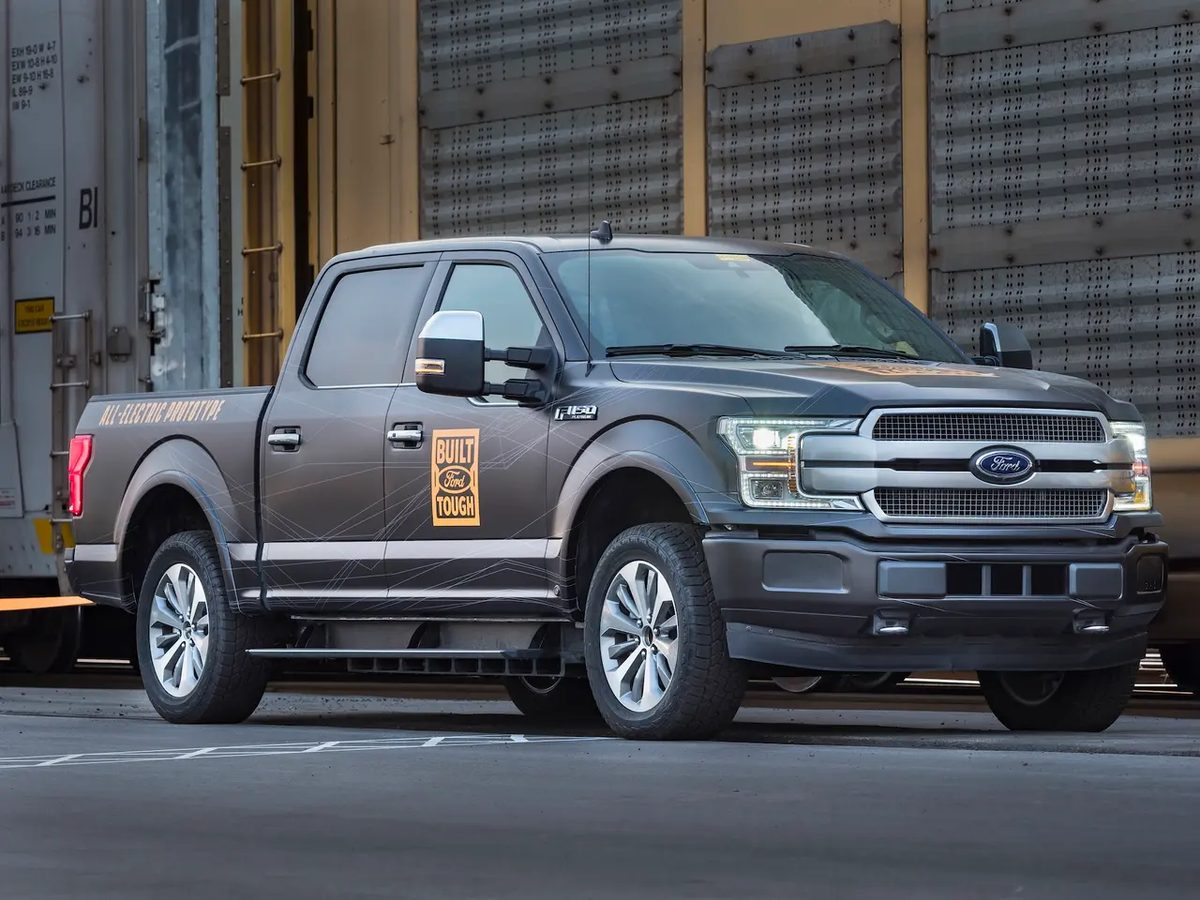
Among the casualties are the electric versions of the F-150 Lightning and other pickup trucks. Ford has also cut ties with several industrial battery partnerships. The reasoning is blunt: demand for large electric vehicles in the US has fallen short of expectations.
This slump is happening against a backdrop of shrinking federal subsidies and an incomplete charging infrastructure. Ford’s leadership has decided to prioritize hybrid and gasoline powertrains. These are viewed as more profitable in the immediate term. It is a pragmatic, if painful, realignment.
Strategic Divergence in Europe
While Ford pulls back from the US EV segment, it is doubling down in Europe. The collaboration with Renault aims to produce city-sized electric cars at the Douai facility starting in 2028. This partnership allows Ford to pool platforms and production costs. It is a direct response to European demand, which remains robust despite global fluctuations in the EV market.
Instead of developing a comprehensive electric lineup from scratch, Ford is leveraging Renault’s expertise. It is using a proven platform to stay relevant. This represents a clear rebalancing of strategy. Ford is abandoning the most expensive segments in America while exploiting local synergies in Europe.
Why This Matters for the EV Market
This split strategy highlights a broader truth about the transition to electric mobility. It is not a uniform global shift. In the US, the market is struggling with large trucks and SUVs. In Europe, the focus is on affordability and efficiency. Ford’s decision to partner with Renault rather than go it alone suggests that scale and local knowledge are more valuable than vertical integration right now.
The contrast with competitors like Tesla, Volvo, or Volkswagen Group is stark. These brands continue to invest heavily in EVs. Ford’s move looks less like a rejection of electrification and more like a recalibration of where and how it makes money.
The Road Ahead
The 2035 deadline for internal combustion engines is no longer a hard stop but a flexible horizon. This flexibility allows manufacturers to hedge their bets. Ford’s approach is to keep its foot on the gas with hybrids and ICE vehicles in the US while letting Renault handle the small EV segment in Europe.
It is a risky strategy. If the US EV market recovers, Ford may find itself behind. If European demand cools, the Renault partnership might seem like an overreach. But for now, it is a way to preserve cash while maintaining a presence in both markets.
The real question is whether this hybrid strategy can sustain profitability long enough for EVs to become truly mainstream. Ford is buying time. Whether that time is enough remains to be seen.