
The numbers don’t lie. Women are grabbing the handlebars in droves. The Motorcycle Industry Council’s 2008 owner survey put the female share of U.S. motorcyclists and scooterists at 12.6 percent. That is a 29 percent jump from 2003. And the momentum isn’t slowing. Women now hold 15 percent of Generation X motorcycle ownership and 14 percent of Generation Y. The demographic shift is here.
Manufacturers are responding. They are building lighter bikes for smaller frames. Gear companies are designing apparel that balances safety with style. But let’s be honest, the safest ride starts with the right protection. We are looking at ten accessories engineered specifically for the female rider, starting with the most critical piece of equipment you’ll own.
The Custom Fit: Why Women’s Helmets Matter
Skipping the helmet is a fast track to tragedy. It blocks noise, keeps out rain, snow, hail, and bugs. More importantly, it keeps you alive. The National Highway Traffic Safety Administration estimates that wearing a helmet improves survival odds in a crash by 37 percent.
You have options. Half helmets. Three-quarter shells. Full-face designs. Combination styles. Regardless of the cut, every helmet relies on four core components: an outer shell, impact-absorbing lining, comfort padding, and a strap. In the U.S., compliance is non-negotiable. All helmets must meet Department of Transportation (DOT) safety standards. Look for the DOT label. If it’s not there, don’t wear it.
Fit is where the real danger lies. Too loose, and you risk neck injury from the helmet whipping around. Too tight, and you get a headache that ruins the ride. The right fit means you feel naked without it.
To capture this growing market, helmet makers are offering women choices that exceed what’s available for men. Colors run the gamut, including pink. Graphics feature butterflies, flowers, and hearts. But sizing is the real differentiator.
Women’s helmets are smaller and lighter. The shells are deeper and narrower to match female head shapes. Side panel thickness varies to ensure a custom fit. You’ll even find designs with ponytail notches and washable, antistatic linings to fight helmet hair.
Contoured Protection: Glasses and Goggles
Eye protection isn’t just about style. It’s about visibility and safety. Wind, debris, and insects can obscure your vision in a split second. Standard eyewear often fits poorly on female faces, leaving gaps or pressing uncomfortably against the temples.

Flying debris doesn’t care about your outfit. A bug splatter is annoying. A pebble shattering your cornea is traumatic. If it triggers a swerve, it’s fatal. Eye protection isn’t optional. It’s survival gear.
The market offers impact-resistant safety glass or shatterproof polycarbonate. Your best bet? A full face shield. It blocks everything. Goggles work too, especially over prescription shades. Safety riding glasses use foam seals to cut the wind buffeting your face.
Conditions shift fast. Sun glare. Tunnel darkness. Rain. Static lenses fail here. Look for systems with swap-out lenses. Snap in a clear one for dusk. Switch to polarized amber for noon. UV protection is non-negotiable. Fog-resistant coatings keep you seeing when you’re sweating.
Finding wind-proof eyewear that actually fits can feel like hunting. Women riders used to settle for “mascara-proof” basics. Not anymore. Style and function now coexist. You can match your helmet to your jacket without sacrificing safety. Wraparound frames are key. They hug smaller facial structures. The curvature blocks lateral wind. It also expands your peripheral view. You see the car merging from the blind spot. You see the pothole before you hit it.
8: The Tank Bag Purse
Ride light. But don’t leave essentials at home. You need your phone. Keys. Sunscreen. A card for tolls.
A tank bag solves this. It sits on your gas tank. Soft leather means no scratches on your paint. Magnets hold it tight. No straps digging into your back. Grab your items. Arrive. Fold the magnetic flaps. Pull a strap from the side pocket. Instant purse. No changing bags. No digging through a backpack.
Hip bags offer another route. They clip to your belt loops with sturdy snap hooks. Wear them on the bike. Wear them off. Detach a strap and it transforms. It’s utilitarian until you step off.
For quick errands, a waist-mounted phone holder works. Leather strap. Secure snap. Holds the device firm. The design is minimal. It goes with jeans. It goes with riding leathers. You check GPS without stopping.
7: Armor Protection
You wear a helmet. You wear boots. Your skin isn’t invincible. Impact protection needs to cover the rest.
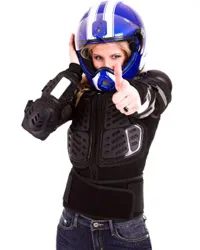
Why Standard Armor Fails (And What to Wear Instead)
Most riders assume their jacket’s built-in shoulder and elbow pads are enough. They shift. They bunch. They dig into your ribs when you hit a pothole. The result? You stop wearing them because they’re uncomfortable. The fix isn’t harder armor. It’s a dedicated back protector designed specifically for women.
Generic gear assumes a straight, male torso. Women’s torsos taper. A proper women’s back protector respects that geometry. It’s shorter. It’s slimmer. It doesn’t look like a brick strapped to your spine. You can slide it under your jacket, under your t-shirt, or even under a sundress if the ride is casual. No one knows it’s there. That’s the point.
Comfort drives the design. Look for adjustable shoulder straps and an elastic waistband that locks the unit in place. If the protector moves, it doesn’t protect. Ventilation matters too. You need airflow channels to keep sweat from pooling between the armor and your skin.
Want more coverage? Add a chest protector. Some models Velcro directly onto the back protector’s shoulder straps. This creates a unified armor system. Or, skip the straps entirely. Go for a standalone armor vest. These are cut shorter than men’s versions and feature adjustable Velcro closures. They fit close to the body without restricting movement.
Functional Fashion: Gear That Doesn’t Look Like Gear
Motorcycle accessories often fall into two camps: ugly and useless, or pretty and fragile. You want something that bridges the gap. You need items that serve a purpose but also reflect your personal style.
Take cleaning. A standard microfiber cloth works fine until it falls out of your pocket or gets lost in the seat bag. Enter the Hogswipe. It’s a thick, soft microfiber wipe designed to clip onto your bag or belt loop. It stays put. You use it to wipe road grime off your glasses, your face, or your bike’s fairing. It comes in bright colors and prints. It’s practical. It’s also an accessory.
Then there’s the wind. Cold air doesn’t just chill you; it messes with your fit. It blows your pant legs up, exposing your ankles or, worse, getting your pants caught in the chain. Elastic bands solve this. StoneyStrips are a prime example. They clip to your pant cuffs and slip under the arch of your boot heel. Fully adjustable. Essential for riders with higher heels, where standard cuffs ride up too fast. The clips come in chrome finishes and various designs. They hold your pants down. They keep you safe. They look intentional, not accidental.
Keeping Your Hair on Your Head
Riding with long hair is a hazard. Loose strands blow into your eyes. They tangle in the wind. They look messy in the mirror after a ride. But pulling it all back into a tight bun can be uncomfortable, especially under a helmet liner. You need a solution that secures hair without creating pressure points.

5: Smart Helmet Liners
Helmet hair isn’t just a minor inconvenience; it’s a structural problem for your blowout. Most female riders resort to baseball caps as a post-ride disguise, but you don’t have to sacrifice your style for comfort. The solution lies in specific liners designed to preserve volume and texture without the damage.
The Diva-Do solves this by avoiding traditional hair elastics that crease strands. Instead, it uses a stretchy polyester pocket to house your hair, secured by two tie straps. The material actively wicks away moisture, keeping you cool while you ride. It’s a simple mechanism, but effective.
Then there’s the Dannaband. It mimics a bandanna but removes the knot—a common culprit for tangled, pulled-out hair. Elastic in the back ensures a snug fit without the need for constant adjustment or awkward tying.
For those who want versatility, the Buff is an all-in-one textile. It shifts functions instantly: headband, scrunchy, face mask, neck warmer, or even a tube top. It’s not just a helmet liner; it’s a modular accessory.
If simplicity is key, Softbandz offers a dual-purpose design. Wear it as a wide, open headband or fold it down for a classic look. It can double as a ponytail holder or a fashion accent around your hat brim or neck.
6: Adjustable Riding Chaps
Exhaust pipes are hot. Pavement is rough. Weather is unpredictable. Riding chaps address all three by shielding your legs beneath your jeans. Beyond protection, they offer water and wind resistance, often featuring built-in knee pads and reflective piping for visibility.
Don’t assume function means fashion is dead. The market for women’s chaps is vast, catering to every body type. Velcro panels and adjustable snaps allow for a custom fit—whether you prefer a snug, aerodynamic feel or a looser, more relaxed drape. They can even be tailored to accommodate different boot heights.
While black or dark tones dominate the market, feminine options exist. Look for pink fringed-leather styles or hip-hugger cuts if you want to inject some personality into your protective gear.
7: Thermal Management Gear
Temperature control is the final piece of the puzzle. You need warmers for the chill and coolers for the heat.

Keeping Your Core Temperature Stable
Being cold on two wheels isn’t just a nuisance; it’s a safety hazard. When your body fights the chill, your focus drifts. You stop tracking the road and start tracking your shivering. Several products exist to eliminate that distraction and keep you locked in on the ride.
Neck tubes are a straightforward fix. Some designs add bulk, but if you choose soft fleece, the weight stays low. These tubes do more than just trap heat. They create a critical seal between your helmet and jacket, stopping cold air from diving down your spine.
A neck gaiter offers similar protection with more versatility. You can wear it around your neck, pull it up over your face, or even fold it into a hat. Look for one with an elastic drawstring. It lets you tighten the fit or loosen it for airflow, adapting to changing conditions without taking your hands off the bars.
If your ears are the weak point, try a fleece ear warmer. You can wear it alone or underneath your helmet. Riders with longer hair should hunt for a model with a ponytail cutout. It keeps the wind out while letting your hair breathe, avoiding the dreaded helmet-hair crunch.
But don’t forget the flip side. Overheating is just as bad. A neck cooler helps shed excess heat when the sun beats down. These devices are usually made from 100 percent cotton and filled with non-toxic polymer water crystals. You soak the cooler in water for 10 to 20 minutes, pat it dry, and wrap it around your neck. The evaporation process keeps you cool for hours, preventing that foggy, sweat-soaked ride home.
Foot Comfort
Good boots are the foundation, but they aren’t enough. To keep your feet happy, you need socks with padding around the toes and the balls of your feet. This cushioning absorbs road vibration. Mid-calf length socks work best with most riding boots, ensuring no skin is exposed to the cold. Crucially, the material must be wicking. Cotton holds sweat and turns your feet into ice packs in winter or causes blisters in summer. Synthetics or merino wool keep your feet dry.
The outside of your boots needs protection too. Rain and snow don’t care about your style. Overshoes are the answer. Made from specially treated nylon, they slide over your shoes or boots to provide a waterproof barrier. They keep your socks, feet, and pant legs dry while protecting the exterior of your footwear from mud and grit. The soles feature deep lugs, similar to hiking boots, giving you grip when you dismount in slippery conditions. Whether you need insulated versions for deep winter or standard ones for spring showers, there’s a pair for every ride.
Bling
Let’s be honest. Safety gear saves lives, but bling saves your soul. After hours in a helmet, you want to look like you enjoy the ride. This doesn’t mean cluttering your bike with cheap plastic. It means adding character.
High-quality leather patches with custom embroidery can transform a plain jacket. Think skulls, classic cars, or local landmarks. They add texture and depth to your gear. For the helmet, magnetic pins or subtle airbrushed details stand out more than bulky attachments. Even small touches matter. A distinctive keychain or
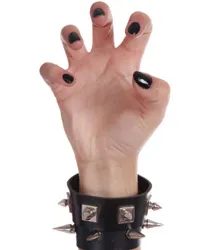
Let’s get one thing straight: riding gear doesn’t have to be all matte black and utilitarian. If you want a little sparkle on the handlebars—and on your person—there’s a market that caters specifically to that desire. It’s not just about safety; it’s about identity.
Keeping It Secure (And Sparkly)
Hair is a nuisance when you’re riding. Wind turns bangs into a blindfold. Loose strands get caught in zippers or helmets. Bobby pins and hair clips solve the physical problem, but why settle for plain plastic when you can accessorize?
You can find hair accessories embedded with rhinestones or shaped like miniature motorcycles. They serve the same function as a standard clip. They keep your vision clear. They just look cooler while doing it. For the long-haired rider, these small details add a touch of personality without compromising the hold.
The Accessories That Do the Talking
Your everyday carry items are prime real estate for customization. A keychain isn’t just a tool to unlock your bike; it’s a statement. Swap the generic plastic fob for a charm shaped like a piston, a helmet, or an entire cruiser. Same goes for your zipper pulls and phone cases. If you’re going to carry it, make it reflect the machine you ride.
Leather and crystal bracelets are a surprising hit among female riders. They pair well with a classic leather jacket—adding a hard edge with soft shine. It’s a texture play. Rough hide. Smooth stone. It works.
Then there’s the boot chain. Not the heavy, restrictive kind from the ’70s, but the lighter, decorative varieties. Chrome links or rhinestone-encrusted straps that drape over the shaft of your riding boot. They catch the light when you kick the stand down. They add flash to an outfit that is otherwise grounded in function.
Why Specific Design Matters
Riding is dual-natured. It requires protection. It requires safety. But it also requires style. For many women, mainstream motorcycle gear feels like an afterthought—male-sized, male-cut, and male-focused.
The accessories mentioned above fill that gap. They aren’t replacing armor. They aren’t replacing helmets. They are the layer on top. The personalization layer. Whether you commute to work or ride on weekends for the thrill, having gear that acknowledges the female form and female aesthetic matters. It’s about feeling like you while you ride, not just feeling safe.
Beyond the Bling
Of course, the bling is the easy part. The real conversation is about what happens when the sun goes down and the wind picks up.
Do you prioritize the lightweight jacket with hidden armor? Or the heavy leather that offers more abrasion resistance but cooks you in traffic?
The market is shifting. More brands are designing with curves and proportions in mind. Not just the clothes, but the gloves, the boots, the back protectors. It’s a slow change. But it’s happening.
You want protection. You want to look good. You want your keys to jingle with the sound of your personality. All of that is possible. The question is just how much bling you’re willing to carry.