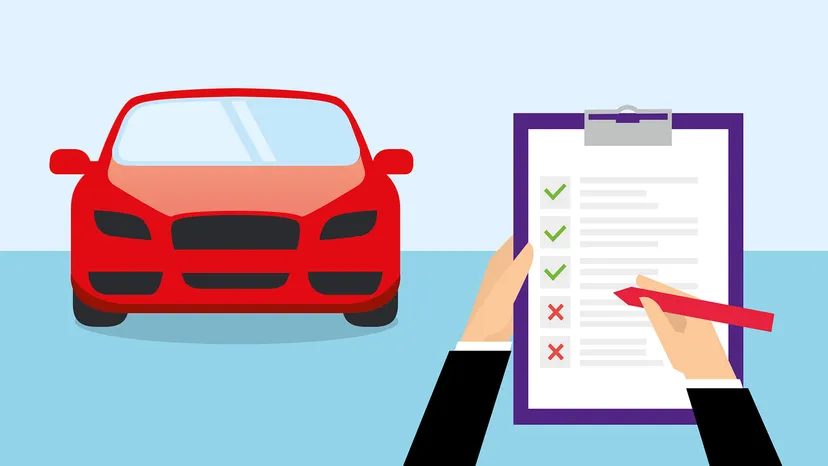
The used car market is currently a minefield. With the global semiconductor shortage still choking new vehicle production, demand for preowned rides is hitting record highs. The average used car price hit $29,011 in November 2021, a staggering 39 percent jump from the previous year. More buyers are scrambling for metal, but desperation breeds bad deals. Buying new means knowing almost exactly who has driven it and how gently. Buying used? You’re playing roulette with someone else’s neglect or a hidden collision history.
There are ways to mitigate the risk. You just have to look past the shine and check the bones.
Get the Vehicle History Report
Your first line of defense is the VIN (Vehicle Identification Number). This 17-character alphanumeric code is the car’s fingerprint. You’ll usually find it on the lower driver’s side of the windshield.
Reputable dealerships should provide a history report from services like Carfax or AutoCheck for free. If you are buying from a private seller, you will likely need to pay a small fee to generate one yourself. But don’t rely on just one source. David Paris, senior market insights manager at J.D. Power, advises getting multiple reports. Discrepancies between platforms can reveal gaps in the data.
“You may want multiple reports from different providers because there can be discrepancies across platforms.”
A good report tells you where the car has been registered, what major services occurred, and any damage from collisions or severe weather. It should even specify which body panel was hit and the mileage at the time of the incident.
Here is the catch: these reports are only as good as the data entered into them. If a previous owner fixed a fender in their driveway or didn’t file an insurance claim, the report will stay silent. A missing report is a massive red flag. If a seller refuses to provide the VIN, walk away. If the report is thin, you need to go physical.
Check for ‘Hidden’ Signs of Repair
A major accident often leaves scars, especially if the repair was done by a cheap shop rather than a manufacturer-approved facility. You are looking for evidence of hasty work or underlying structural damage.
Start with the fit and finish. Look at the body panels—the bumpers, doors, and hood. Are they level? If the panel gaps are uneven, widening in some spots and tight in others, the car likely suffered impact. The metal tabs holding these components can bend during a crash, throwing off the alignment.
Try opening the doors. They should swing smoothly. If you have to wrestle a door open or it feels stiff to close, the frame may be warped. This is rarely a cosmetic issue.
Paint inspection is next. Cheap resprays leave telltale signs. Look for overspray, which appears as a rough texture or mismatched color. Focus on door jams, the underside of the hood, and the trunk latch area. Paint tends to pool around the inner rims of these components if it wasn’t masked properly during a repaint.
Finally, inspect the tires. They tell a story about suspension health. Look for disproportionate wear. If the center of the tread is bald while the edges are fresh, or vice versa, the steering geometry is off. You might also feel this during a test drive; the car might drift left or right even when you keep the steering wheel centered. Check for dry, cracked rubber or exposed steel belts, which signal years of neglect.
Is bad alignment a deal-breaker? Not always. Normal driving over potholes and time can knock a car out of spec. However, it can also indicate bent control arms from an accident. If the seller has an alignment rack on-site, ask them to verify the specs are within manufacturer tolerances before you hand over any cash.
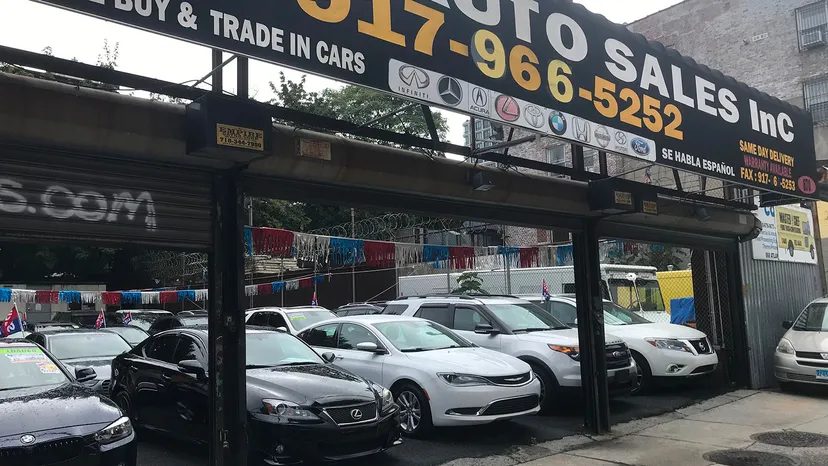
Get Eyes on the Undercarriage
David Paris doesn’t sugarcoat it. If you want the real story behind a used vehicle’s history, you need a professional mechanic on your side. They aren’t just guessing. They have the tools—lifts, diagnostic computers, years of experience—that let them see what you miss. Those computers can flag mileage discrepancies or check for prior airbag deployments. A lift lets them inspect the undercarriage for scuffs, dents, or corrosion that no amount of surface cleaning can hide.
Most garages charge around $200 for a pre-purchase inspection. It’s not cheap. But buying a car with hidden issues costs far more. Some repairs are invisible to the untrained eye. That’s why an expert opinion is non-negotiable.
Red Flags and Repair Quality
Sellers should allow you to take the car for an independent check. They should also let you bring a mechanic to their home or business. If they refuse? Walk away. That is a massive red flag.
Does an accident history mean the car is trash? Not necessarily. If the damage was reported correctly and repaired to manufacturer specifications, it can be a solid buy. Unrecorded damage is another matter. That raises suspicion, especially when paired with other signs of neglect.
“An obvious repair is a low-quality repair, and high-quality work will be nearly invisible.”
Paris points out that many incidents are minor. A scratch down the side might just need a touch-up. Don’t let that scare you off. But if a deal seems too good to be true, trust your gut. Used vehicles are in high demand right now. Supply is low. Nice examples are selling for a premium compared to previous years. You need a trained set of eyes on the vehicle before you hand over cash.
The Certified Pre-Owned Shortcut
Some people hate the hassle. They don’t want to dig through VIN reports or coordinate inspections. That’s where Certified Pre-Owned (CPO) programs come in. Corporate dealers offer these for a reason.
CPO cars usually come off three-year leases. They’re young. They have low mileage. The dealer inspects them thoroughly. They come with extended warranties and service packages. It’s convenient. You pay a premium for that convenience, but the peace of mind is real.