You list the car. You set the price. You wait. The silence is deafening, or worse, the offers come in so low they hurt. We know the usual suspects. Mileage. Year. The current economic mood. But those are the boring, expected variables. The real value killers? They’re the tiny, overlooked details you didn’t even think twice about.
Some of these are easy fixes. Others? You’re just out of luck. Here is what is actually tanking your trade-in value, and why you should have cared more about the small stuff before you hit the “Post Ad” button.
Bumper Stickers and the “Used” Stigma
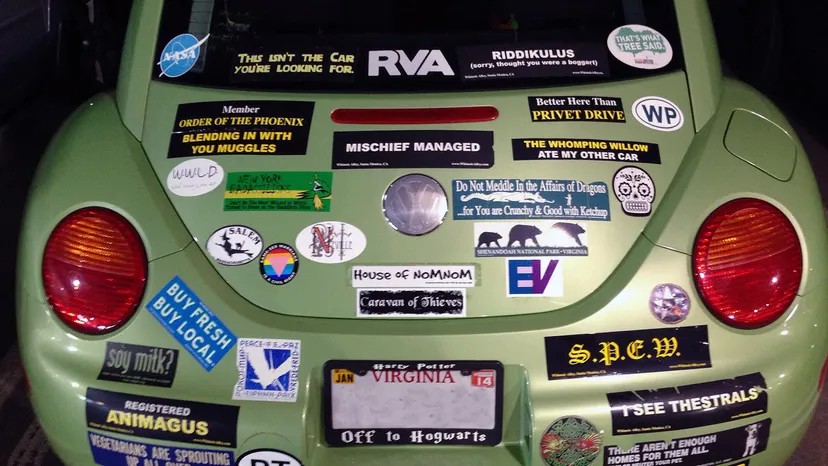
Why leave them on? Experts might argue whether a “Baby on Board” sticker drops your price by fifty bucks or five hundred, but the logic is simple. Stickers scream used. They prevent a buyer from imagining themselves in the driver’s seat. They make the car feel like someone else’s leftover, not a fresh start.
Take them off. Use heat. Be gentle. But here is the catch. Even if the vinyl pulls off in one perfect piece, the paint underneath has been hiding in the shade for years. It will be lighter. Faded. A ghost of the original color. You fixed the sticker problem, but you just revealed a paint mismatch. Annoying? Yes. Worth the hassle? Probably, unless you want to explain why the rear bumper looks like it’s wearing a mask.
Broken Lights Are a Dealbreaker
Cracked lens. Burnt-out bulb. You keep driving because it’s “fine.” It’s not fine. It’s a red flag.
Replacing a halogen bulb costs next to nothing. The lens itself? Cheap. You can usually do it with a screwdriver and ten minutes. Sure, if you drive a high-end model with complex LED or HID arrays, it might cost a pretty penny to swap out. But even then, a broken light is a safety issue. It’s illegal. It’s the kind of defect that makes a buyer assume the rest of the car is neglected.
Nobody wants to buy a used car and immediately schedule a service appointment. They want to drive. If your lights don’t work, you’re not selling a car; you’re selling a project. And projects don’t get top dollar.
Geography Dictates Value
You didn’t pick your zip code because of the resale market. Life happens. But your location matters. A lot.
Take a rear-wheel-drive convertible. On the West Coast, it’s a lifestyle. In New England? It’s a winter nightmare. Buyers there see salt, snow, and rust. They see hassle. The same car sells for a premium in California and gets discounted in Michigan.
Electric vehicles face an even starker divide. Certain EVs, like the Mini Cooper Electric or the VW e-Golf, were sold exclusively in California for years due to emissions regulations. Move that car to the Midwest or the South? The infrastructure isn’t there. The culture isn’t there. Potential buyers look at the charging port and see a liability. You have to wait for the right niche buyer to emerge, and that waiting period kills your leverage.
The Cracked Windshield Trap
A crack in the glass looks minor to you. To a buyer, it looks like a hidden cost.
Windshield replacement is relatively cheap today, often covered by insurance without a deductible in some states. But the buyer doesn’t know your insurance policy. They see the crack and mentally subtract the repair cost from your asking price. They might overestimate that cost. So they lowball you.
Fix it before you list. It’s that simple.
There is a caveat for newer models. If your car has rain-sensing wipers, heads-up displays, or embedded antennas in the glass, a replacement isn’t just glass. It’s electronics. That price tag jumps significantly. But even then, selling a car with a compromised windshield is a negotiation you don’t need. Clear glass signals care. Cracked glass signals neglect.
The Lingering Stench of Smoke
This is the non-negotiable one. Smoke damage isn’t just a smell; it’s a stain.
You can vacuum the seats. You can buy those ozone generators. You can spray air freshener until it hurts. It doesn’t matter. The smell seeps into the upholstery, the headliner, the carpets. It’s absorbed. Studies show that third-hand tobacco residue lingers in surfaces long after the smoke clears.
Buyers associate that smell with health risks and poor maintenance. They don’t see a clean car. They see an ashtray on wheels. There is no exact formula for how much value is lost, but the discount is steep. A non-smoker’s premium is real. If you smoked in your car, you have to accept that the market has priced you accordingly. No amount of Febreze will bridge that gap.

Mismatched rubber kills your resale value
It’s the little things. Or rather, the mismatched things. You’re trying to sell your car. You’ve got a blowout. You slap on a replacement tire from a different brand or a different manufacturing date. That’s fine for driving home. It’s terrible for selling.
Buyers spot it immediately. A mishmash of tire brands screams “haphazard maintenance.” Even if you replaced that tire right after the incident, the perception sticks. They assume you cut corners elsewhere. If you want top dollar, you need four matching tires. Ideally, four new ones. Buying a set when they’re on sale pays off later.
Trading in? The dealer won’t care about your story. They’ll just look at the mismatched rubber and deduct the cost of four new tires from your trade-in offer. Simple math. Harsh reality.
Why manual transmissions tank used car values
Love your stick shift? You’re part of a dying breed. And that’s a problem.
Trying to sell a popular commuter car with a manual transmission means you’re swimming upstream. Most buyers don’t want to learn clutch control. They want comfort. According to Car and Driver, an option only adds value if more than 50 percent of buyers choose it when the car is new. Manual transmissions in everyday cars? Rarely hit that mark.
Sports cars are the exception. A Mazda Miata or a Porsche 911 with a manual retains value because enthusiasts want that engagement. A Honda Civic with a manual? Not so much. Opting for unpopular features adds no value. It might even reduce it.
Buy what you love when you’re new. Don’t expect the market to care later.
Timing your sale around gas prices
This isn’t about driving less. It’s about economics.
Fuel prices are unpredictable. They swing wildly. And your car’s value swings with them. High gas prices? Hybrids and EVs become gold. Low gas prices? Suddenly, that massive V8 SUV isn’t such a bad idea. The market shifts.
If you’re stuck selling, you take what the market bears. No choice. But if you have flexibility? Watch the news. Track oil prices. Look for spikes.
Selling a hybrid when gas hits $5? You’re in luck. Selling a gas-guzzler when gas drops to $2? Move fast. Before the prices spike again. You can’t control the pump. But you can control when you list.
Is there a perfect time? No. But there’s a better time. And a worse time. Usually.
Paint Jobs That Pay Off
You’d think matching your personality to the paint code matters most. It doesn’t. The market does.
iSeeCars data flips the script on what holds value. You want orange or yellow cars? Good move. They depreciate the least. Counterintuitive? Maybe. But the numbers don’t lie.
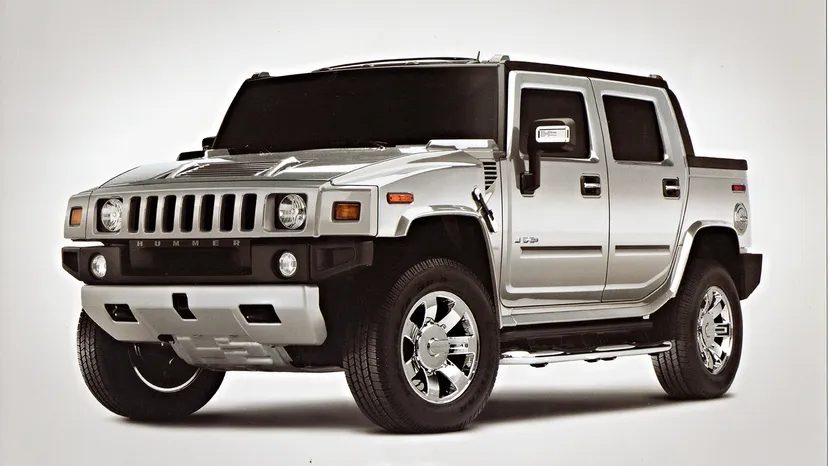
Gold? That’s the worst offender. Followed closely by silver and beige. Think about that. Those colors are everywhere on dealer lots. Buyers love them new. They dump them used. The trendiness kills the residual value.
If you’re playing it safe for the long haul? Stick to black, white, or gray. They’re the boring backbone of resale stability. Not exciting. Reliable.
Brand Baggage Is Real
You can’t fix a reputation. You can only live with it.
Automaker decisions ripple through the used market. Remember Volkswagen Dieselgate? The scandal didn’t just hurt stock prices. It dragged down the value of every diesel VW on the lot. Trust evaporates. Value follows.
Go back further. The Ford Pinto. The 1970s nightmare. Try selling one now. You’d be lucky to give it away. The stigma of spontaneous combustion lingers.
Bad behavior from the maker? Your wallet feels it. A major flaw in the car itself? Same result. The car becomes tainted.
Discontinued doesn’t always mean dead.
Sometimes, killing a model makes it golden. Low demand usually means a quick fade. But not always. The Toyota FJ Cruiser. Killed in 2014. Now? Prices are climbing. Scarcity creates desire.
It’s a gamble. Usually, you lose. Sometimes, you win.