Andy and Mercedes Lilienthal run the Subcompact Culture and Crankshaft Culture blogs. They grew up in the Midwest. What Andy calls a “darn-near arctic environment.” They never used snow tires. Until 2003.
Andy bought a set of wheels with winter tires mounted. The first time he hit the snow, he was shocked. “I was amazed at how much better they were,” he says. Traction, handling, braking. Everything improved.
But there is a common confusion. Winter tires are not studded snow tires. No metal studs protruding from the tread. Those are for specific icy conditions. Winter tires use specialized rubber compounds and tread patterns. They work across a wider range of cold-weather scenarios.
How Winter Tires Work In The Cold
The difference starts at the molecular level. Ron Margadonna, an engineer at Michelin Automotive Tires, explains the chemistry. Winter tire rubber needs cold temperatures to function. Most manufacturers add silica to the compound. Silica keeps the rubber flexible when temps drop below freezing. Or below zero. Standard rubber hardens. It loses grip.
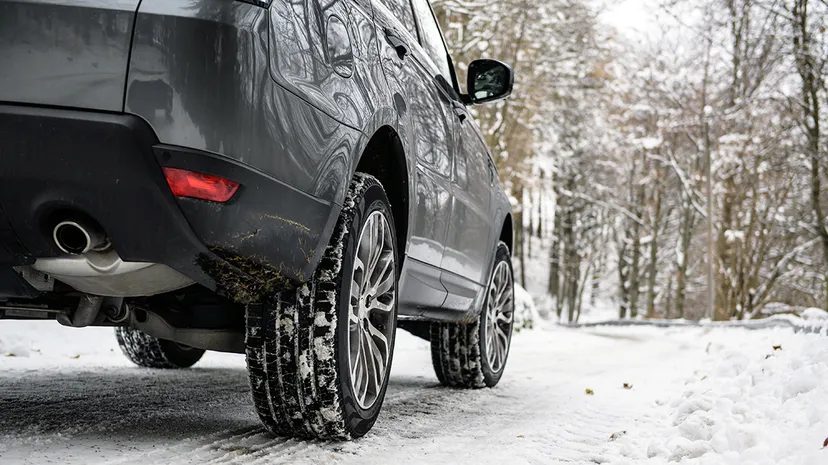
The tread design matters just as much. Deep patterns help the tires bite into snow. The design features more grooves and cuts. These are called sipes. The tread blocks are smaller. More blocks mean more edges. Those edges dig into snow and ice. “All of these are traction aids,” Margadonna notes.
Channels in winter tires are wider and more numerous than in all-season tires. More channels create more biting edges. Wider channels also clear snow and slush faster. If the tread packs with snow, you lose traction. Winter tires shed the debris.
Who Actually Needs Winter Tires?
If you post photos in your one warm sweater on the single day it flurries, you don’t need them. All-season tires are enough for light, occasional snow.
But if you face regular snowfall or ice, you need the extra traction. Tire manufacturers cite 45 degrees Fahrenheit (7 degrees Celsius) as the cutoff. If your average winter temp stays below that, winter tires help. Experts recommend installing four. Putting them on just the drive wheels creates imbalance. It increases the chance of skidding when conditions change.
Winter tires are built for cold. Not heat. Leaving them on when the weather warms isn’t fatal, but it’s wasteful. The softer rubber compound wears out quickly on dry, warm pavement. Margadonna says they don’t provide optimum traction on hot roads either.
Storage is the only real hassle. The Lilienthals keep their off-season sets in a crawl space under their house. It works for their four vehicles.
Many drivers think all-wheel drive or four-wheel drive makes winter tires unnecessary. That is a dangerous assumption. Margadonna warns, “Those systems are only as good as the tires on the vehicle.” AWD sends power to all wheels. It helps with starting traction. But it doesn’t help you stop. It doesn’t help you corner. The tires do that.
How To Identify A True Winter Tire
You can tell a winter tire from an all-season one by looking at the sidewall. Look for the mountain and snowflake icon. It’s easy to spot when you stand next to the tire.
Margadonna calls it the “mountain peaks and snowflake marking.” That symbol means the tire passed traction tests on snow conducted by the U.S. Tire Manufacturers Association. If it’s not there, it’s not a winter tire.

Why studded tires are mostly a bad idea
Let’s get one thing straight. Winter tires aren’t studded tires. They are not the same thing. In fact, a bunch of states have banned studs outright. Those little metal pins shred pavement when there isn’t snow on top of it. Margadonna points out that while studs might help a tiny bit on ice, “they offer no enhancement on snow.” And honestly? They aren’t even that great on ice. Studs grab soft ice. Sure. But when the ice hardens and gets brittle, traction drops. Michelin doesn’t even sell studded tires. “Studless tires can do what studded tires do and more,” Margadonna says.
Mercedes Lilienthal nods. “Studded tires are not the best practice,” she admits. Her family owns them. They use them sometimes. But most roads here aren’t buried in soft ice 24/7. Many days, the asphalt is clear. Or wet. And studs wreck braking on dry or rainy roads. “If you have to stop in a pinch with studded tires on a dry road, you’re in a world of hurt.”
Check your local rules. Some western states mandate winter-rated tires or chains for mountain passes. Margadonna suggests calling the state DOT. Ask if winter tires count as a “get out of jail free card.” Saves you from kneeling in snow to wrap chains around your wheels.
Winter tire FAQs you actually need answered
Can you keep winter tires on all year?
No. Don’t do it. Winter rubber is engineered for freezing temps. It’s soft when cold. In summer heat, it gets mushy. Handling suffers. Responsiveness dies. Wear accelerates. Firestone warns of damage too, since these tires are built for lower speeds. You’ll burn through them fast and handle like a boat.
Are winter tires better than all-season?
In winter weather, yes. All-season tires compromise. Winter tires specialize. Deeper tread. More bite. Rubber that won’t freeze solid or crack. Some even have studs, though we just argued against those. For pure snow and ice, dedicated winter rubber wins every time.
What temperature is too warm for winter tires?
Around 45 degrees Fahrenheit. If the daily high stays above that consistently, swap them out. The compound gets too soft. It’s not just about comfort. It’s about safety and tire life.
How do I know what size winter tires to buy?
Look at your current sidewall. Or check the sticker on the driver’s side door jamb. Match the specs. Don’t guess.
Are bigger or smaller tires better in snow?
Counterintuitive, right? Bigger isn’t always better. Smaller tires can offer more stability. The real key is traction. You need deep tread to push snow aside while spinning. Size matters less than the ability to clear the white stuff.