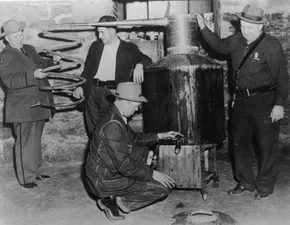
Prohibition wasn’t just a dry spell. It was a black market. You had flappers dancing behind closed doors. You had fedoras and Tommy guns. You had illicit gin flowing like water. The 1920s turned alcohol into a luxury item because it was illegal. Moonshine stills popped up everywhere. They fed a thirsty nation with unfiltered, sometimes dangerous, spirits.
Those same stills can solve a different crisis today. Fuel.
We are staring down a potential energy shortfall. Gas prices fluctuate. Supply chains break. Making your own ethanol offers a way out. It sounds extreme. It isn’t.
The Variables of Fuel
People argue about ethanol constantly. They claim it costs more per gallon. They say it is less efficient than gasoline. These arguments miss the point. Ethanol production is messy. It has variables. Every single one of them matters.
Feedstock is the starting material. Corn? Sugar beets? Switchgrass? The biomass you choose changes everything. The equipment you use matters too. Distillation methods vary. Efficiency varies. Waste varies.
You can control these variables. Only if you make the fuel yourself.
Think about filling up with E85 at the pump. It is easy. It is convenient. Is it reliable? Not always. Many regions in the United States do not offer ethanol. They claim there is no market. They claim the infrastructure isn’t there. You are at the mercy of those decisions.
Making your own ethanol gives you control. You know where your energy comes from. You know exactly what is in your tank. It is not just about politics. It is about independence.
Cleaner Engines, Cleaner Air
There are practical reasons to do this too. Your engine will run cleaner. Ethanol burns differently than gasoline. It produces fewer toxic emissions. That is a fact. The environment benefits.
The process is simple. You do not need a PhD in chemical engineering.
- Feedstock. Something organic. Sugar. Starch. Anything fermentable.
- Fermentation. Let the yeast eat the sugars. Alcohol is the byproduct.
- Distillation. Separate the alcohol from the water and solids.
That is it. Three steps. The hardware can be basic. A still is just a pot with a condenser. You can build it. You can buy it. You can improvise.
The Danger Factor
There is a catch. Always is. Producing ethanol at home carries risk. Ethanol is highly flammable. Methanol, if not separated properly, is deadly. The byproducts can be hazardous. Safety is not optional. It is the baseline.
We will look at the materials you need. The best options for feedstock. The specific gear required. How to avoid blowing up your garage.
This is not just about saving money. It is about understanding the fuel that powers your life.