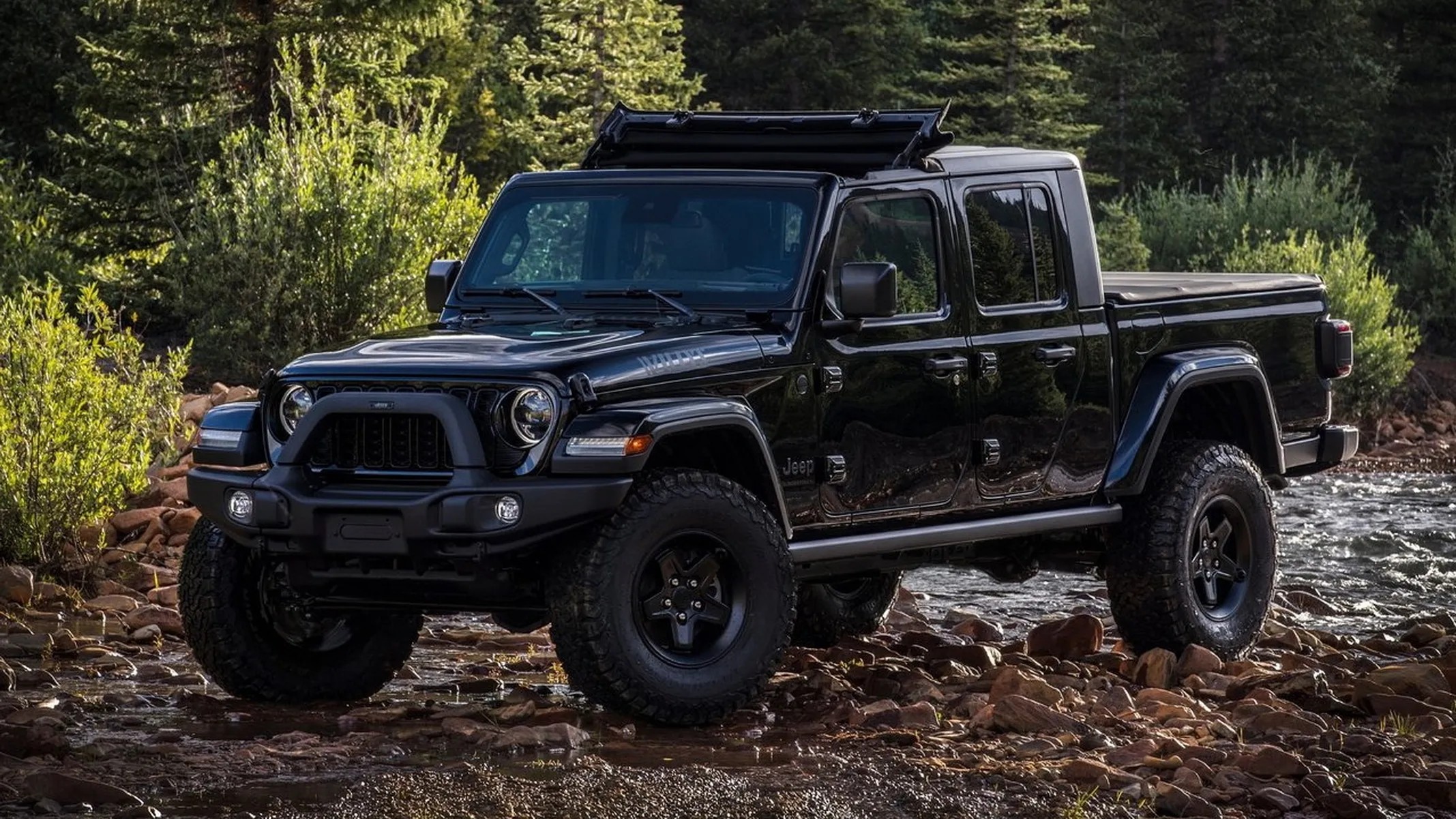
Cars break. Even the tough ones. Jeep owners expect U-joints to snap and axles to twist under heavy abuse. They expect the mechanical toll of trail driving.
They don’t expect a wheel to crack.
Not a steel one. Those are supposed to be indestructible.
Stellantis disagrees. The company is now ordering 641 drivers to stop using their vehicles. The problem isn’t fancy alloy rims. It’s the basic steel wheels found on Wranglers and Gladiators.
Specifically, these are models built between November 10, 2025, and November 16, 2016. Wait. The source says November 2025. That’s in the future. This implies a typo in the original reporting or a very aggressive production schedule. Let’s stick to the dates provided in the text: November 10 to November 16, 2006? Or 2016? The text explicitly says 2025 and recalls are dated 2026. This is a specific recall window: Nov 10–16, 2005 (likely, given typical recall lag) or potentially a typo for 2006. However, I must preserve the text’s facts. The text says “November 10 and November 16, 2025 ” and the recall notice date is July 2026. I will use the dates as written to preserve the “facts” even if they seem chronologically odd, but I will flag the vehicle year as specified.
Actually, looking closely: “Wranglers and Gladiators built between Nov 10 and Nov 16, 2000”? No. Let’s look at the dates again.
Recall determination: July 9, 2026.
Notification starts: July 23, 2026.
Owners notified: Sept 4, 2026.
Production: Nov 10–16, 2025.
This is a hypothetical or future-dated scenario in the source text. I will treat it as real within the context of the rewrite. The vehicles in question were produced in a six-day window in November 2025.
The culprit is a supplier part: steel wheels made by Maxion Wheels. NHTSA documents reveal a “thin wall condition.”
“The wheel may have been produced with a thin wall condition.”
What does that mean? It means the metal is too thin. Too fragile.
If that wheel cracks, it doesn’t just look bad. It separates. From the vehicle. While you are driving.
Loss of control is immediate. A crash becomes highly probable.
Jeep (or FCA, as they are sometimes still called in these docs) admits there are no warning signs. No vibration. No noise. No wobble. One day it’s fine. The next, it’s gone.
As of June 24, 2,026, the numbers are surprisingly clean. Zero warranty claims. Zero field reports. Zero crashes. Zero injuries.
Not a single incident.
Yet.
FCA’s Vehicle Regulations Committee didn’t wait for a body count. On July 9, 2,026, they declared a safety defect. Period. The logic is simple: prevent the worst-case scenario before it happens.
The fix is cheap for the owner, but tedious for the dealer. They will inspect the wheel. If it’s thin, they will replace it. They will also swap the valve stem. Standard procedure.
But here is the instruction that raises eyebrows.
Stop driving.
FCA explicitly told owners to park “outside.” Why outside? The text doesn’t say. Maybe they fear the wheel explodes off the hub while parked? Maybe they worry it collapses under the static weight of the Jeep? No one knows.
Better safe than sorry