Stop thinking the electric EQS killed the S-Class. It didn’t.
The S-Class remains Mercedes’ rolling laboratory. It is where the most aggressive, cutting-edge tech debuts. Then it trickles down. Years later. To the E-Class. The C-Class. Even the A-Class.
This isn’t just a car. It’s a prestige sedan carrying the weight of luxury history.
Think back to the W114 and W126 series. Those weren’t just ancestors. They were architects. The W126 SEC coupe alone set a tone that still echoes today. Elegance. Comfort. Innovation.
They didn’t just arrive. They imposed themselves.
Consider what these generations introduced. Automatic seatbelts were a first. Not a refinement. A debut.
Then came the early assist systems. Precursors to the AI-driven safety nets we have now.
Mercedes didn’t wait for the market to demand safety. They engineered it into the chassis.
The S-Class has always been about being ahead. Not keeping up.
Why does this matter now? Because people assume electric means innovation. They forget that internal combustion platforms can still push boundaries. The S-Class proves it.
It balances tradition with audacity. That’s rare.
Most luxury cars compromise. The S-Class refuses.
You want tech? It’s there. You want comfort? It’s buried in the seats. You want status? It’s in the badge.
The W126 didn’t just sell cars. It sold a promise.
That promise is still alive.
Don’t let the EV hype fool you. The S-Class is still the benchmark.
It’s not about nostalgia. It’s about capability.
Mercedes keeps the S-Class at the top. Not by resting on laurels. By building new ones.
The next generation is already in the lab. Waiting to be unleashed.
Who knows what it will bring?
Probably something that makes your current flagship look slow.
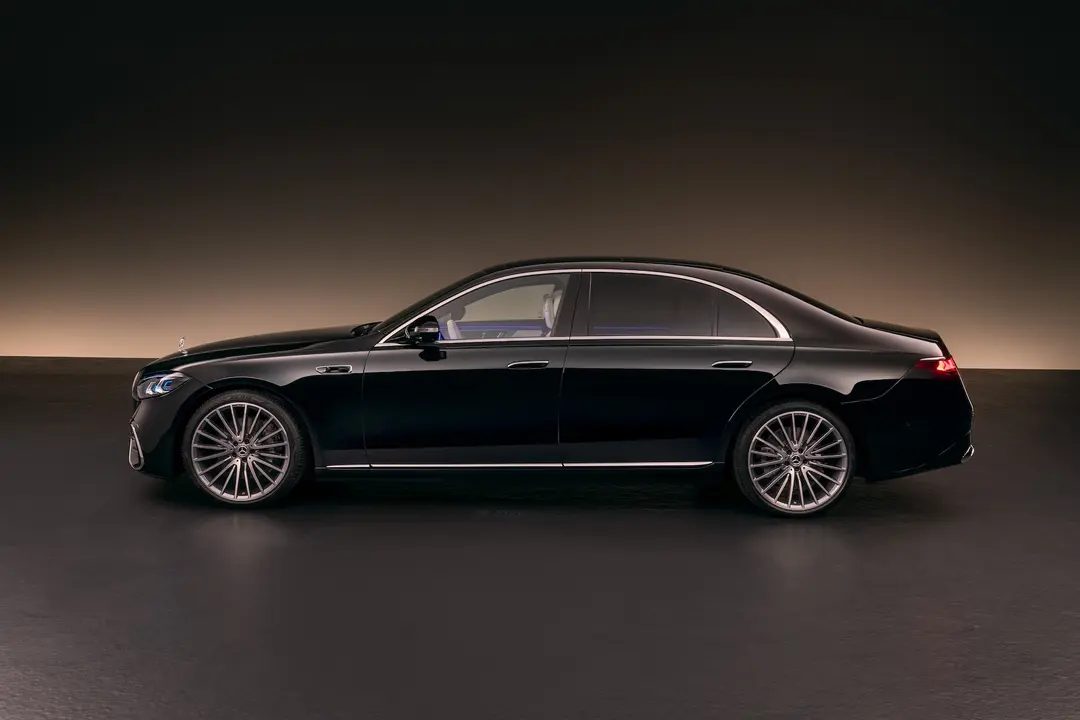
The 2026 Mercedes EQS arrives with a philosophy that defies the traditional “restyling” trap. This isn’t a shallow cosmetic update. It is a fundamental rethinking of the electric sedan’s core.
More Than Just a New Look
Mercedes is explicitly stating that this vehicle represents a genuine evolution of their flagship EV platform. The numbers back up the claim.
- Over one-third of the components have been revised, updated, or completely replaced.
- This significant change confirms that the underlying architecture has been refined, not just dressed up.
- The result is a more mature, polished iteration of the original platform.
Why This Matters for EV Enthusiasts
For those tracking the evolution of electric luxury sedans, the distinction between a facelift and a platform update is critical. A facelift changes headlights and bumpers. A platform update changes how the car feels, performs, and integrates its systems.
By changing such a high percentage of components, Mercedes is addressing early criticisms of the original EQS. Issues related to software integration, charging efficiency, and ride refinement are being tackled at the root. This approach suggests a focus on long-term reliability and user experience rather than just marketing headlines.
The Result: A Refined Electric Experience
The implication is clear. The 2026 model is not just “newer.” It is better engineered. For buyers comparing large electric sedans, this level of component overhaul signals a vehicle that has moved past its teething troubles. It is no longer an experiment. It is a finished product.
“More than a third of the components have been revised, updated, or replaced, confirming that this is not a simple restyling, but a genuine, finished evolution of the platform.”
The question now shifts from whether the EQS can compete to how much this update widens the gap between it and the competition. The foundation is stronger. The rest is just execution.
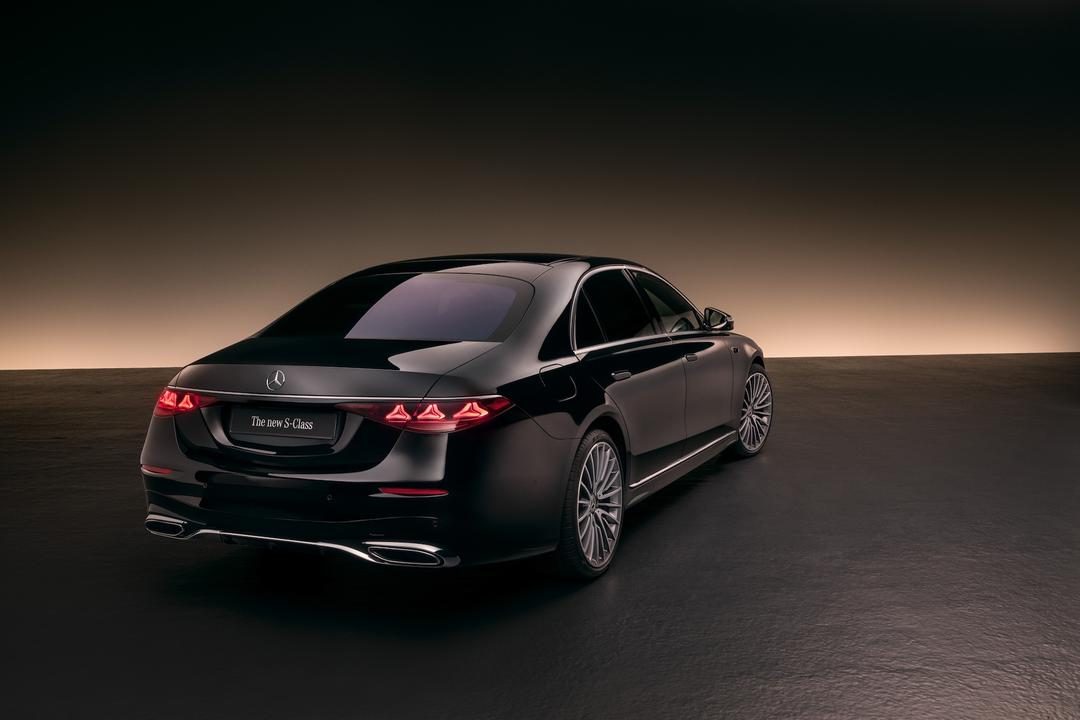
Design cues that actually work
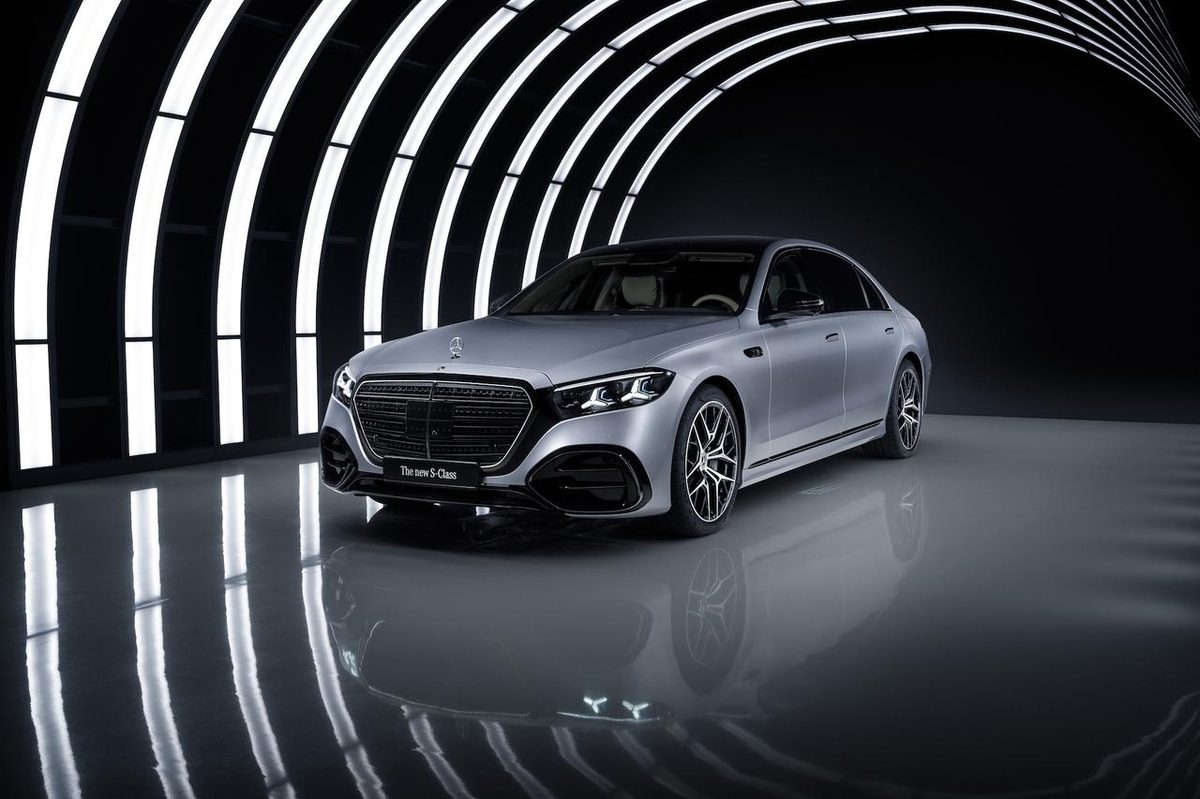
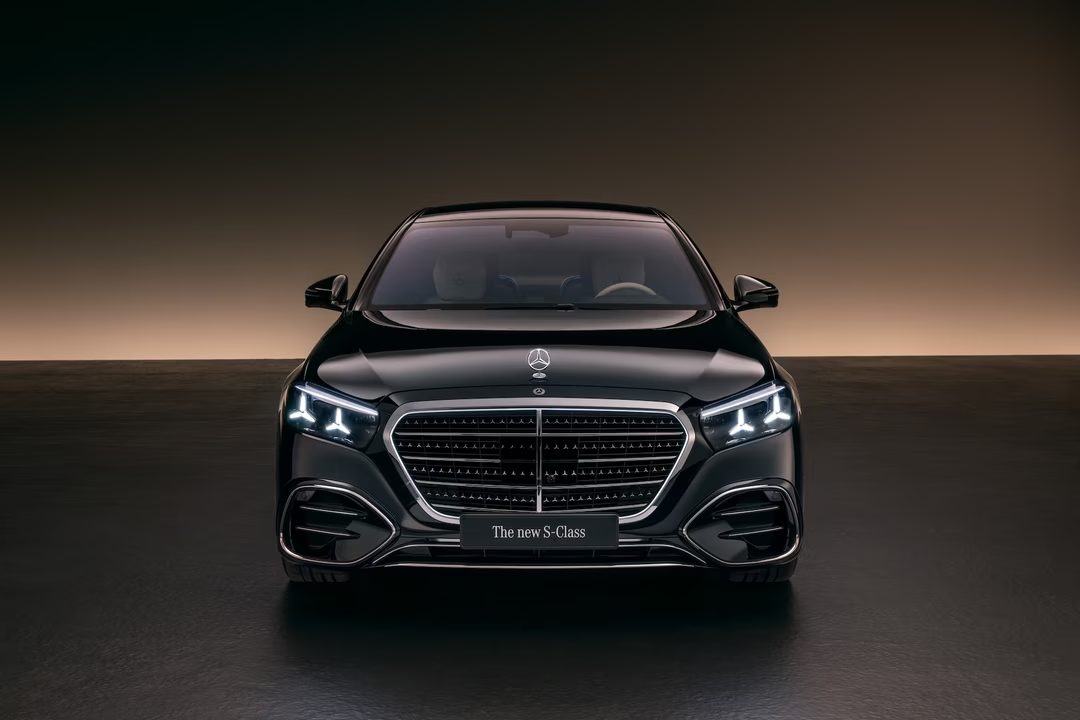
The front fascia isn’t just bigger. It’s wider. The grille dominates the nose, lit up to catch eyes before the engine even fires. Look closer at the lights. Mercedes calls it the “double star” signature. It’s not subtle. You see it at day. You see it at night. It cuts through the noise of generic LED strips and tells you exactly what this car is. Immediate recognition. No guessing game.
Under the hood: MB.OS takes the wheel
Forget what you know about car software. The 2026 S-Class isn’t running legacy code. It’s built on a completely modernized electronic architecture. The brain here is MB.OS. Mercedes’ new operating system. It’s not an add-on. It’s the foundation.
This platform handles everything. Infotainment? Managed. Smart assistants? Integrated. Connectivity? Seamless. But the real trick is how it learns. It watches you. It picks up on your preferences in real time. Adjusts the seat. Changes the ambient lighting. Tweaks the driving dynamics. It doesn’t just execute commands. It anticipates them.
“The car doesn’t just drive itself. It learns how you want to be driven.”
This isn’t just a screen update. It’s a total rewrite of how the car interacts with its environment and its driver. The result is an S-Class that feels less like a machine and more like an extension of your own instincts.
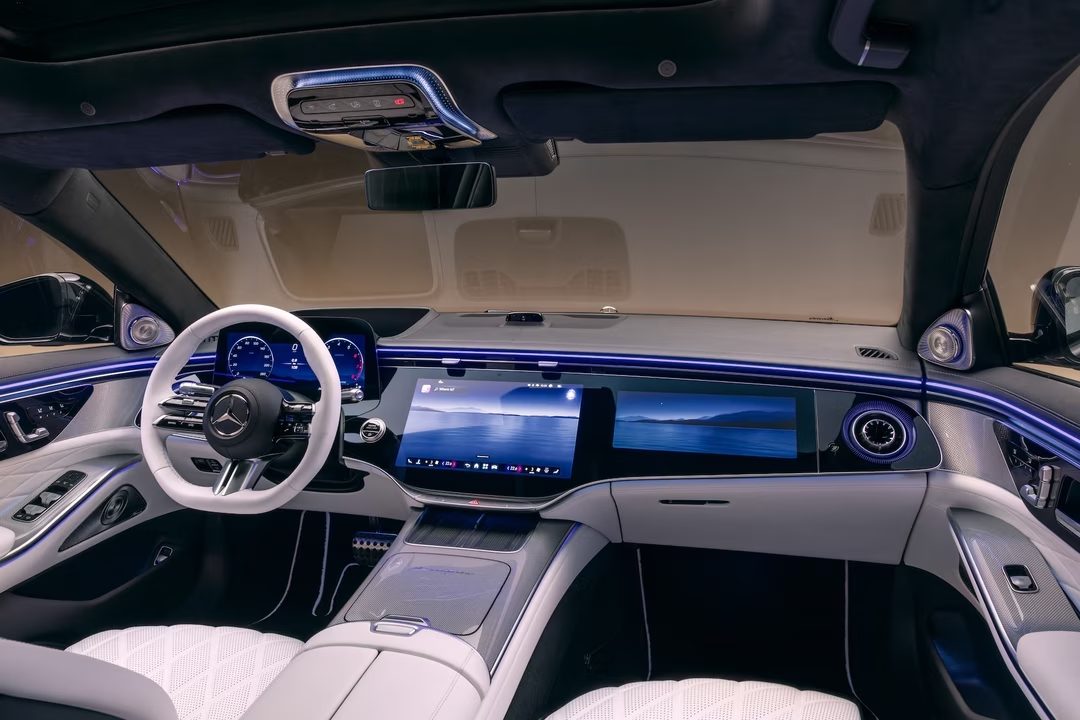
The MBUX Superscreen and Rear Entertainment Setup
Mercedes didn’t just slap a tablet into the dashboard. The interior is where the engineering efficiency really shines, specifically through the Mercedes-Benz MBUX Superscreen Extended. This isn’t a single display. It’s a linked ecosystem of multiple screens working in unison to create a usage experience that feels fluid, customizable, and surprisingly intuitive. You aren’t fighting the interface; it’s designed to disappear into your routine.
The real win here is the seamless integration of multiple displays into a single, personalized workflow.
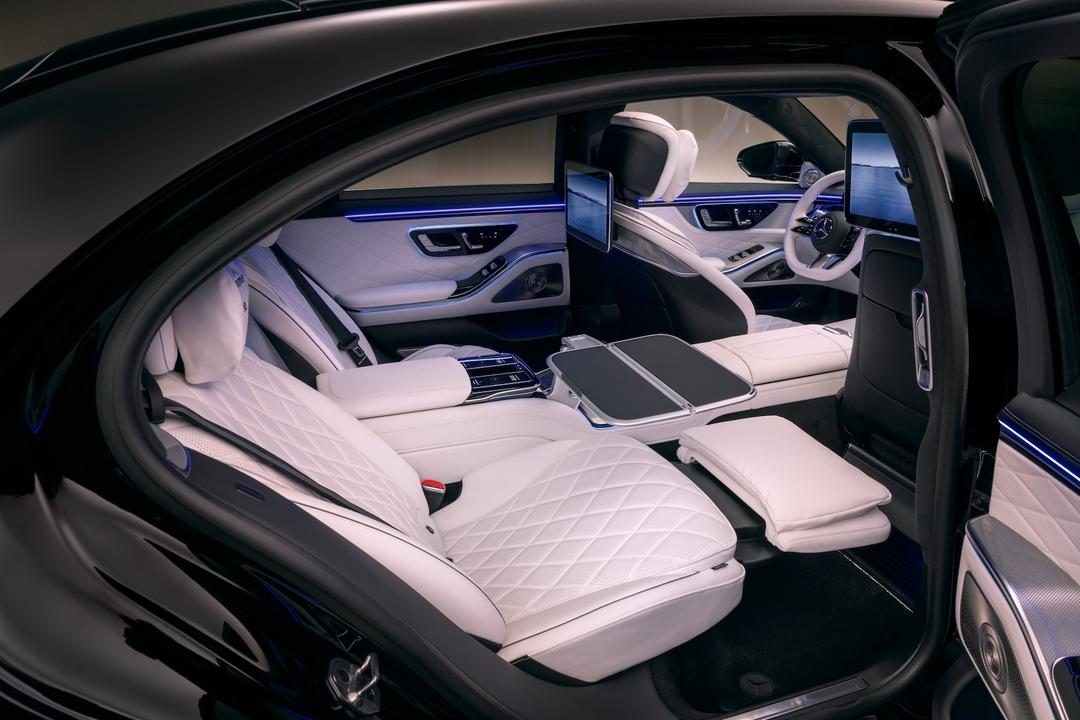
But the tech doesn’t stop at the front row. Mercedes has equipped the rear seats with detachable 13.1-inch screens. This setup moves beyond simple movie playback. It supports full multimedia consumption, video conferencing, and connected services that keep passengers engaged regardless of the journey’s length.
Behind these displays lies an onboard intelligence system that is constantly evolving. It’s not static software. It learns, adapts, and updates, ensuring the cabin remains a smart environment rather than just a collection of hardware. The result? A rear seat experience that rivals dedicated home entertainment hubs without the bulk.
Tech That Reads The Road
The S-Class doesn’t just drive. It anticipates. Active safety systems have moved past simple collision warnings into genuine predictive territory. This isn’t just about braking when a car ahead slams on its brakes. It’s about the car knowing where intersections are before you even see the signage.
Mercedes relies on a dense mesh of cameras, radars, and sophisticated sensors to feed data into its semi-autonomous pilot systems. The result is dynamic speed regulation that adjusts to traffic flow and road geometry in real-time. You aren’t just following the lane. You’re navigating intersections with a level of situational awareness that feels less like software and more like instinct.
A Cabin That Breathes
Comfort here isn’t softness. It’s precision. Mercedes has always prioritized the passenger experience, but this generation introduces features that border on the medical. Take the heated seatbelts. It sounds like a gimmick until you’re waiting at a red light in December. The warmth is immediate. So is the ventilated seating.
Air quality has become a battlefield. Mercedes has installed a high-end filtration system that actively scrubs the cabin air. It works alongside digital zone-by-zone ventilation. The goal is to make the interior air feel fresher than the outside, regardless of pollution levels. Tesla was right about this a few years ago with the Model S. Mercedes just made it feel less like a tech demo and more like a spa treatment.
Floating Over Asphalt
Suspension tuning is where engineering becomes art. The S-Class uses intelligent control via AIRMATIC. But it’s not just reacting to bumps. It’s reading the map.
By cross-referencing suspension data with GPS topography, the system knows a pothole or a steep decline is coming before the wheels hit it. It pre-adjusts the damping. The effect is jarring in the best possible way. You don’t feel the road. You glide over it. Even on broken asphalt, the sensation is one of serene detachment. The car isolates you. It buffers you. It turns chaos into a straight line.
Beyond the Limousine Label
The S-Class refuses to be just another executive sedan. It’s a blank canvas for Mercedes-Benz Manufaktur, the brand’s bespoke atelier where standard production lines end and individual desire begins. You aren’t buying a car off a lot; you are commissioning a statement.
The customization menu is exhaustive. We’re talking hundreds of exterior paint options. Not just colors, but finishes that shift with the light. Inside, the material choices go far beyond standard leather. The program offers precious woods, rare metals, and the highest-grade hides available. You can mix and match textures to create an interior that feels less like a factory assembly and more like a private lounge. Every stitch, every grain of wood, every button texture is subject to your whim. The result is a vehicle that is genuinely unique. No two W223 S-Classes will ever look or feel exactly the same if you push the Manufaktur program hard enough.
A Technological Vitrine
This generation of the S-Class makes it clear: luxury isn’t just about plush seats anymore. It’s about the tech hiding beneath them. The car serves as a rolling showcase for what’s possible in automotive engineering.
Safety and comfort are no longer separate features. They are integrated into a cohesive system. Sensors read the road before you do. The cabin climate adjusts before you feel a chill. The suspension smooths out potholes you haven’t spotted yet. It’s a concentration of engineering prowess wrapped in elegant sheet metal.
The S-Class has always been the testbed. What lands here first eventually trickles down to the A-Class. But this time, the gap feels wider. The digital interface is sharper. The autonomous driving aids are more refined. The air suspension is quieter. It’s not just a bigger E-Class. It’s a different category entirely.
You pay for the privilege of being first. And the S-Class delivers on that promise.